
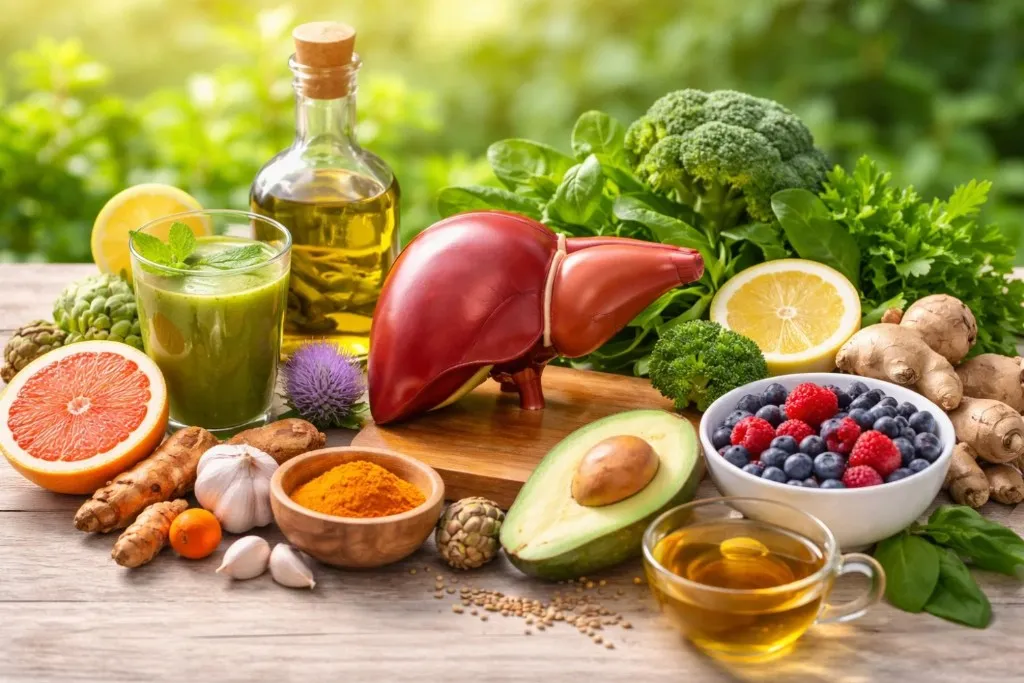
The liver is one of the most vital organs in the body, responsible for detoxifying harmful substances, producing proteins, and regulating metabolic processes. Supporting liver health is essential for overall well-being. While the liver is resilient, it can only handle so much stress before showing signs of strain. Thankfully, there are numerous natural ways to enhance liver function, ensuring it remains in optimal condition for detoxification and long-term health.
1. Stay Hydrated with Water

Proper hydration is crucial for liver health. Water aids the liver in flushing out toxins and waste products that it processes. Dehydration can slow down the liver’s ability to detoxify, leading to inefficient functioning. Aim to drink at least eight 8-ounce glasses of water daily.
If you want to enhance liver detox, consider adding lemon to your water. Lemons stimulate bile production, which is essential for digestion and fat breakdown. Drinking water throughout the day ensures the liver remains hydrated and functions optimally in detoxifying the body.
2. Incorporate Liver-Supporting Foods
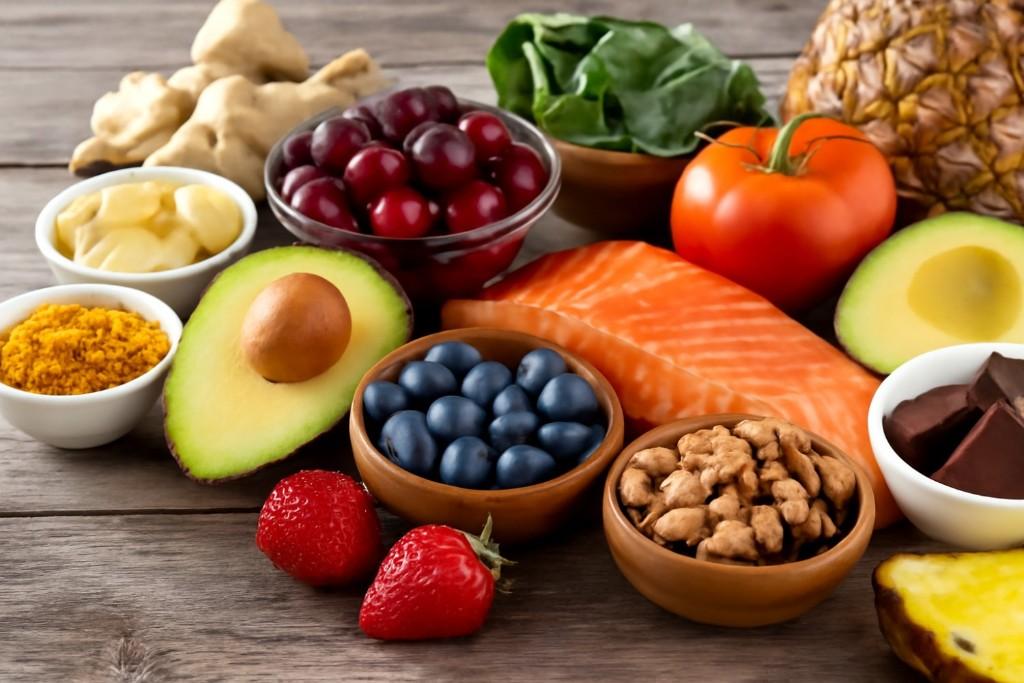
A liver-friendly diet can significantly improve liver function. Cruciferous vegetables like broccoli, cauliflower, and kale are rich in compounds that support the liver’s detoxification enzymes. These vegetables help boost the body’s ability to process and eliminate toxins.
Additionally, antioxidant-rich foods such as berries, leafy greens, and artichokes protect liver cells from oxidative stress and damage. Spices like turmeric, which contains curcumin, have anti-inflammatory and antioxidant properties that help reduce liver inflammation, making them a powerful ally in liver health.
3. Regular Exercise

Regular physical activity not only promotes overall health but also benefits the liver. Exercise helps to reduce excess fat in the liver, which can prevent non-alcoholic fatty liver disease (NAFLD). It also boosts circulation, improving the liver’s ability to filter toxins and perform other vital functions.
Engaging in at least 30 minutes of moderate exercise, such as brisk walking, cycling, or swimming, five days a week, can improve liver health by promoting a healthy weight and supporting metabolic function. Consistency is key for long-term liver protection.
4. Limit Alcohol Consumption

Excessive alcohol consumption is a leading cause of liver damage, contributing to fatty liver disease, cirrhosis, and liver cancer. Limiting alcohol intake helps prevent these conditions and protects the liver from strain. Men should aim for no more than two drinks per day, while women should consume no more than one.
To minimize liver stress, it’s helpful to drink water between alcoholic beverages. Opting for lighter alcohols and consuming them in moderation can help reduce the risk of liver damage, allowing the liver to detoxify more effectively.
5. Avoid Toxic Chemicals

Toxic chemicals found in household cleaning products, pesticides, and air pollutants can overwhelm the liver and impair its function. The liver works tirelessly to process and detoxify these substances, but excessive exposure can lead to liver damage. To reduce exposure to harmful toxins, choose natural or organic products when possible.
Opt for plant-based cleaning supplies, and avoid harsh chemicals. Wearing protective gear when working with toxic substances, such as paints and pesticides, can further minimize the burden on your liver, ensuring it functions efficiently and safely.
6. Maintain a Healthy Weight

Maintaining a healthy weight is essential for liver health. Being overweight or obese significantly increases the risk of developing fatty liver disease (NAFLD), which can progress to liver inflammation and scarring if left untreated.
A balanced diet, rich in vegetables, fruits, lean proteins, and whole grains, combined with regular exercise, is the key to achieving and maintaining a healthy weight. Gradual weight loss—about 1-2 pounds per week—can help reduce fat accumulation in the liver, improving its function and reducing the risk of chronic liver conditions.
7. Get Enough Sleep

Adequate sleep is essential for overall health, including liver function. During deep sleep, the body carries out critical repair and detoxification processes. Chronic sleep deprivation can interfere with these processes, affecting liver health. Aim for 7-9 hours of quality sleep each night to support the body’s natural detoxification cycle.
Sleep allows the liver to perform its detox tasks effectively and regenerate cells. Creating a consistent bedtime routine, limiting screen time, and maintaining a peaceful sleeping environment can enhance sleep quality, benefiting liver health.
8. Use Milk Thistle for Detoxification
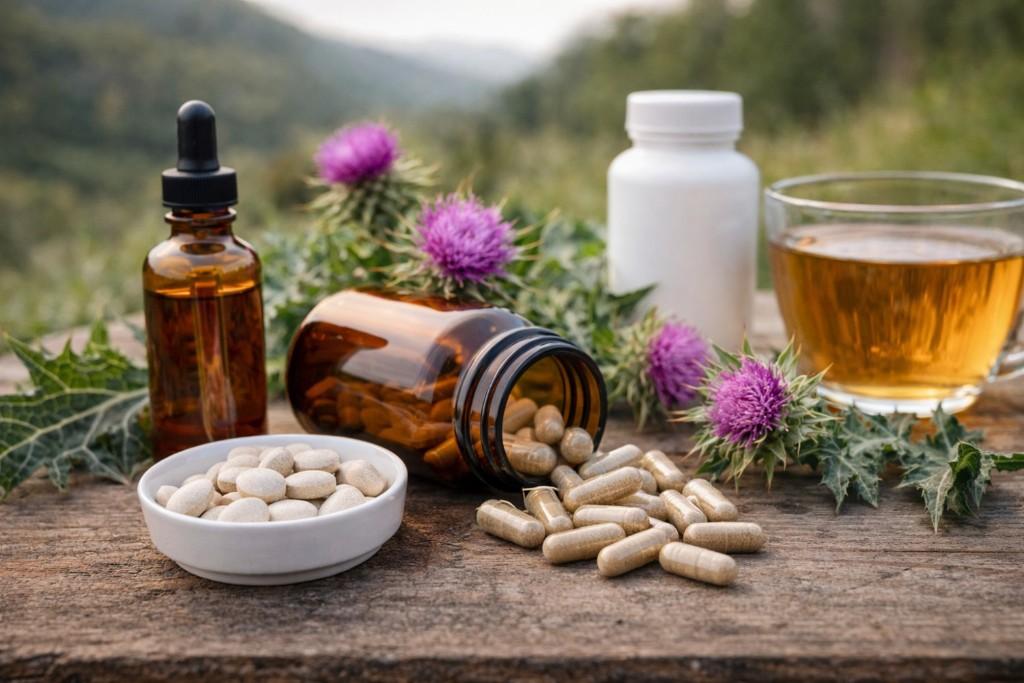
Milk thistle is a well-known herbal supplement that supports liver health, primarily due to its active ingredient, silymarin. Silymarin has antioxidant and anti-inflammatory properties that help protect liver cells from toxins and oxidative damage. Studies have shown that milk thistle can stimulate liver regeneration and reduce liver inflammation.
It’s available in various forms, including capsules, teas, and tinctures. When considering milk thistle supplementation, it’s important to consult with a healthcare provider to determine the right dosage for your specific liver health needs and ensure safety.
9. Manage Stress

Chronic stress can harm liver health by elevating cortisol levels, which can interfere with the liver’s detox processes. Stress also weakens the immune system, making it harder for the liver to fight off toxins. To reduce stress, try activities like yoga, meditation, deep breathing exercises, or spending time in nature.
Engaging in these practices can lower cortisol levels, helping the liver function more efficiently. By incorporating stress management techniques into your daily routine, you can promote liver health and overall well-being, reducing the strain on this vital organ.
10. Eat Healthy Fats
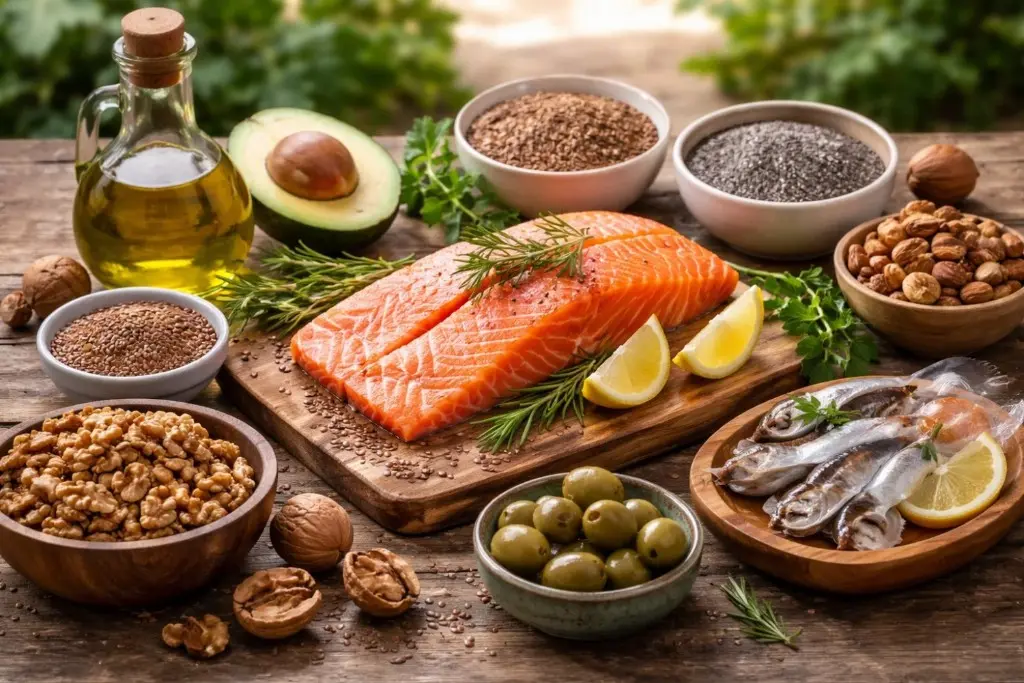
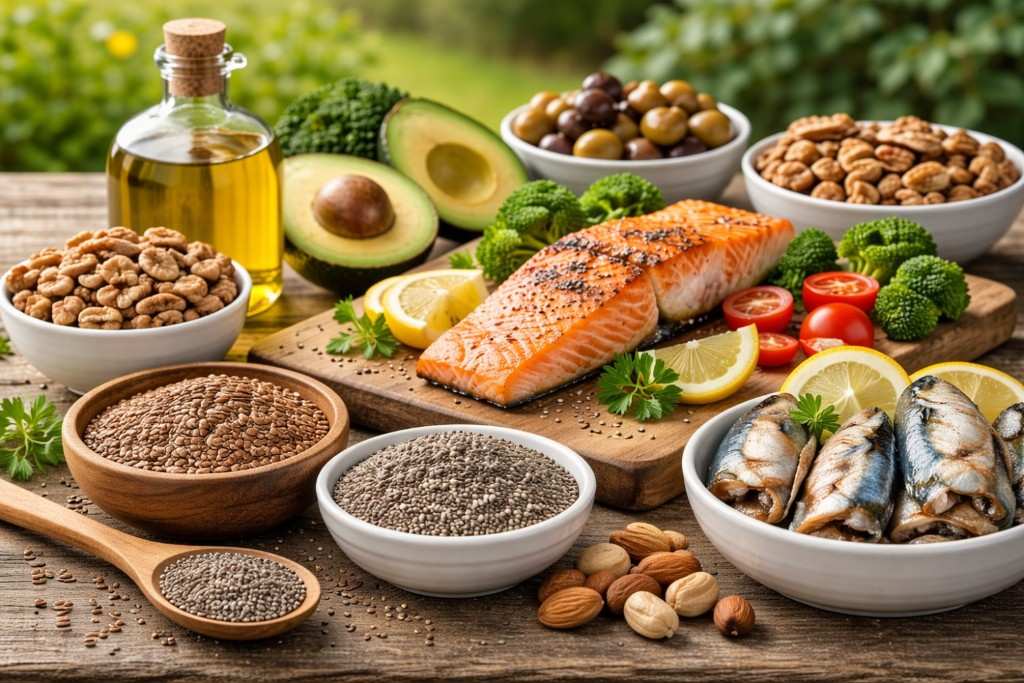
Healthy fats, particularly omega-3 fatty acids, are crucial for supporting liver health. Omega-3s help reduce inflammation in the liver, improve fat metabolism, and protect against liver fat buildup. Fatty fish such as salmon, mackerel, and sardines are excellent sources of omega-3s.
Other plant-based sources include flaxseeds, chia seeds, and walnuts. Replacing trans fats and saturated fats with healthier fats in your diet helps reduce the risk of fatty liver disease and ensures that the liver can function properly in metabolizing fats and detoxifying the body.
11. Suapport Gut Health
Gut health and liver health are closely connected. The liver relies on a healthy gut microbiome to process and eliminate toxins. Probiotics, found in foods like yogurt, sauerkraut, and kimchi, help maintain a balanced gut flora, which can enhance liver function.
Eating a fiber-rich diet, filled with fruits, vegetables, and whole grains, also promotes digestive health, easing the burden on the liver. Avoiding highly processed foods, which can disrupt gut balance and increase liver stress, is key to maintaining both gut and liver health over time.