
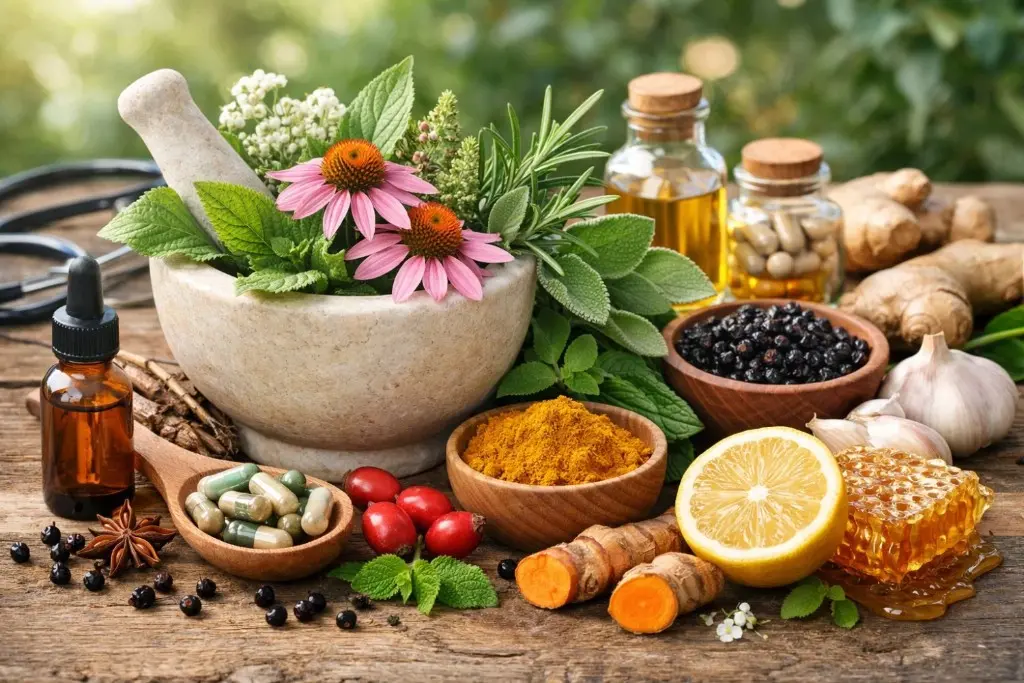
The immune system plays a vital role in defending the body against harmful invaders such as viruses and bacteria. Maintaining a healthy immune system is crucial for overall well-being. Many natural herbs have been studied for their ability to support immune health, offering promising results backed by research. Incorporating these herbs into your daily routine may help strengthen your immune system, making it more resilient in the face of illness. Here are 14 herbs proven to boost immunity, backed by scientific evidence.
1. Echinacea

Echinacea is one of the most popular herbs for boosting immunity, especially during cold and flu season. Studies have shown that echinacea can help reduce the severity and duration of common cold symptoms by stimulating the immune system. It contains compounds like alkamides, flavonoids, and polysaccharides that activate immune cells, helping the body fight off infections.
While some studies suggest it may shorten the duration of a cold, others highlight its potential to prevent infections in the first place. Consuming echinacea in tea or as a supplement can provide beneficial effects, especially when taken early at the onset of symptoms.
2. Elderberry
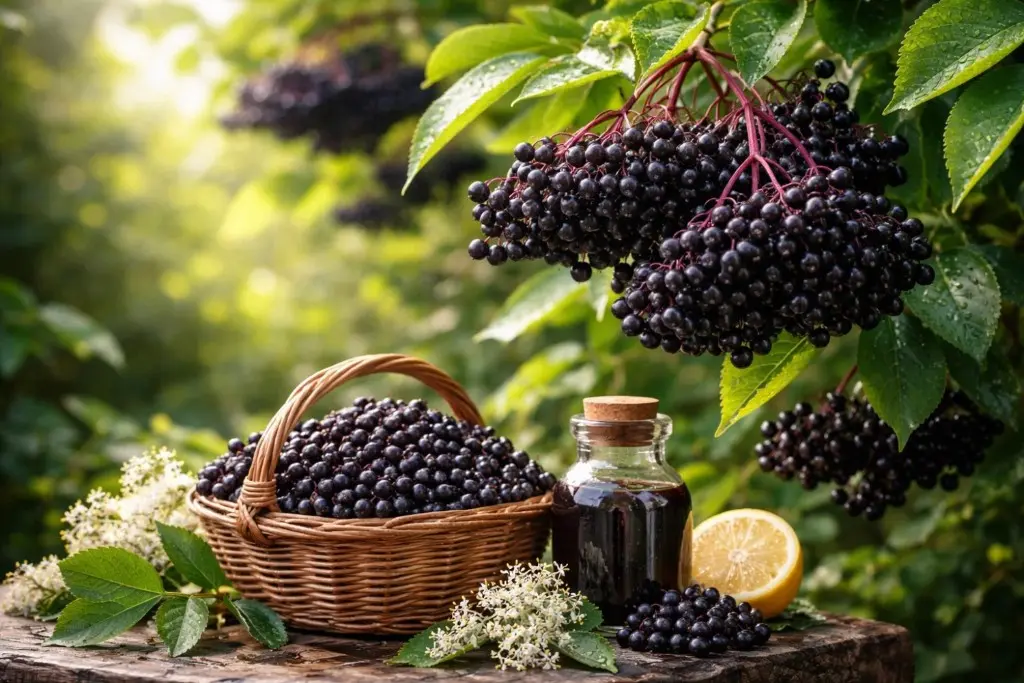
Elderberry, derived from the Sambucus tree, is known for its immune-boosting properties, particularly in fighting flu-like viruses. Research has demonstrated that elderberry extract can reduce the severity of flu symptoms and even shorten their duration. Its active compounds, including anthocyanins, act as antioxidants and possess anti-inflammatory properties.
Elderberry is commonly found in syrups and supplements, and it’s especially popular during flu season. The high vitamin C content in elderberries further supports immune health, making it a powerful herb for enhancing the body’s defense mechanisms.
3. Astragalus
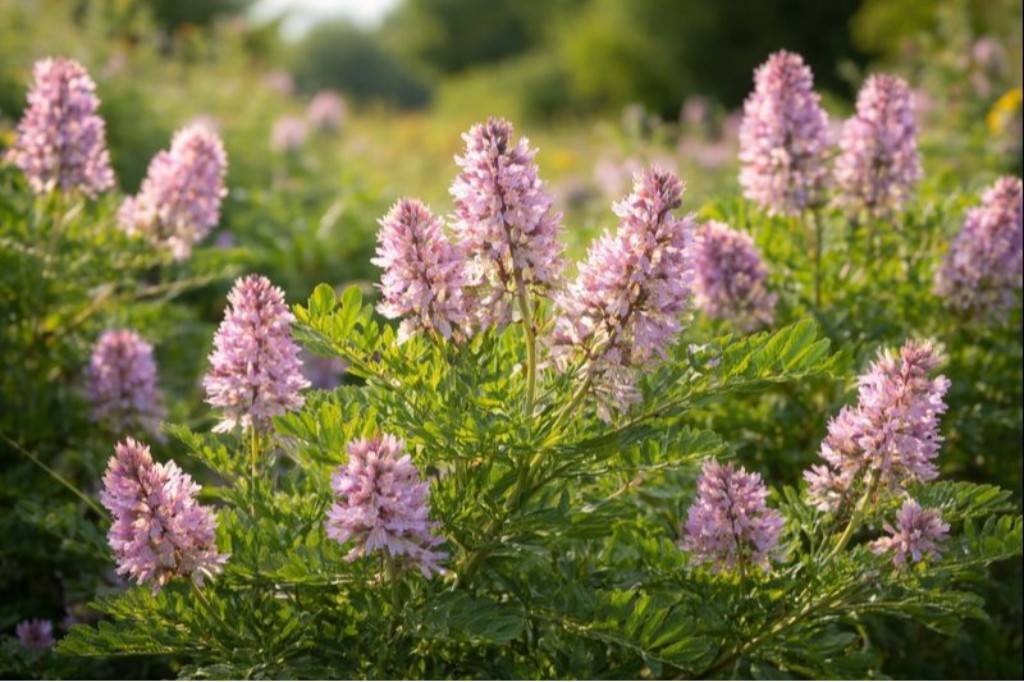
Astragalus has been used in traditional Chinese medicine for centuries to strengthen the immune system. It is rich in flavonoids and saponins, which are compounds known to enhance immune function. Research has shown that astragalus can stimulate the production of white blood cells, key players in the immune system’s defense against pathogens.
This herb is often taken as a supplement or in the form of a tea to promote immune health, reduce inflammation, and even improve endurance. Astragalus has also been found to be helpful in managing stress, which is known to weaken immune response.
4. Ginger
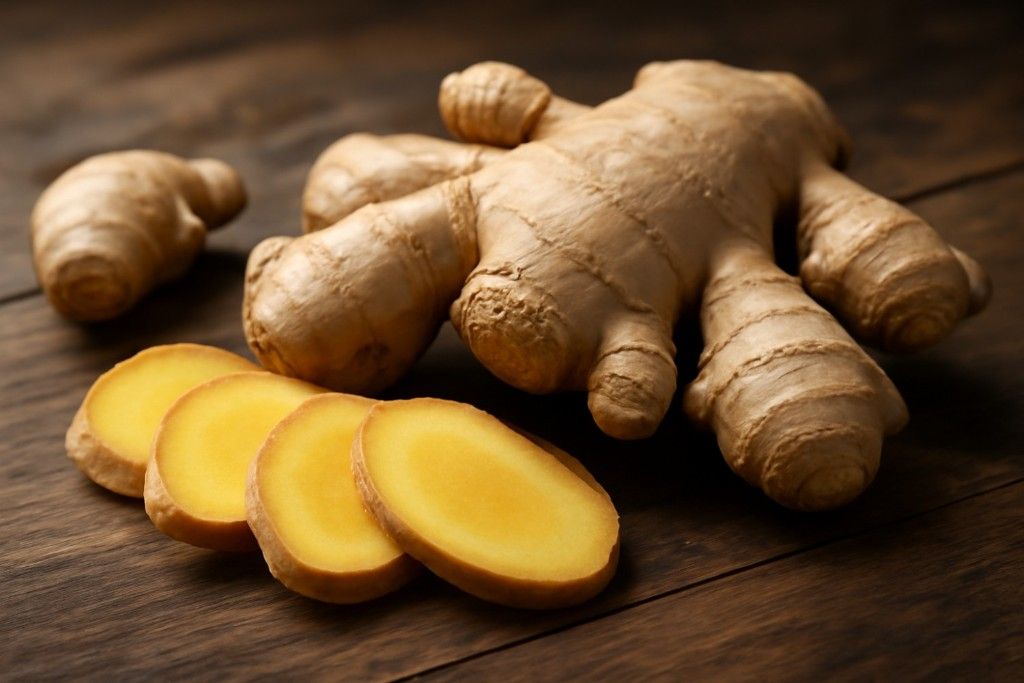
Ginger is widely recognized for its powerful anti-inflammatory and antioxidant properties, making it an excellent herb for supporting the immune system. Studies have found that ginger can enhance immune function by promoting the activity of immune cells such as T-cells and macrophages.
Additionally, ginger has been shown to have antiviral effects, particularly against respiratory infections. Whether consumed fresh, in tea, or as a supplement, ginger offers numerous health benefits, including aiding digestion and alleviating nausea, making it a versatile herb for overall health.
5. Garlic
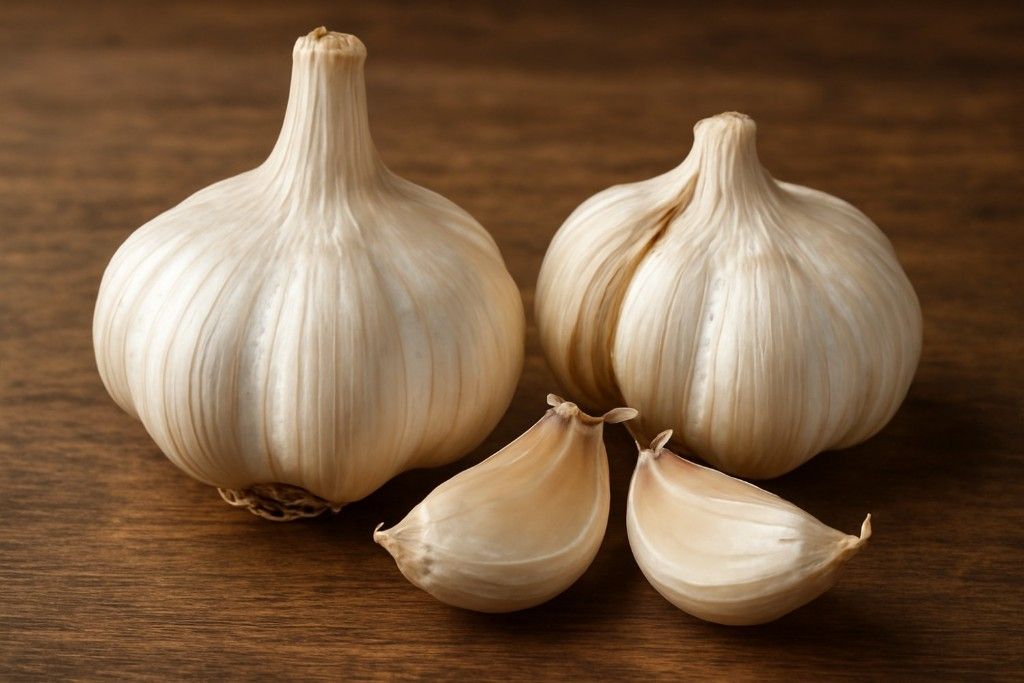
Garlic is a well-known immune booster with a rich history of use in traditional medicine. It contains compounds such as allicin, which possess antimicrobial and immune-stimulating properties. Research has demonstrated that garlic can help fight off infections by increasing the activity of white blood cells, which are essential for immune defense.
Furthermore, garlic has been found to reduce the severity and duration of colds. Regular consumption of garlic, whether raw or cooked, can help enhance the body’s immune response, making it a powerful herb in the fight against illness.
6. Turmeric
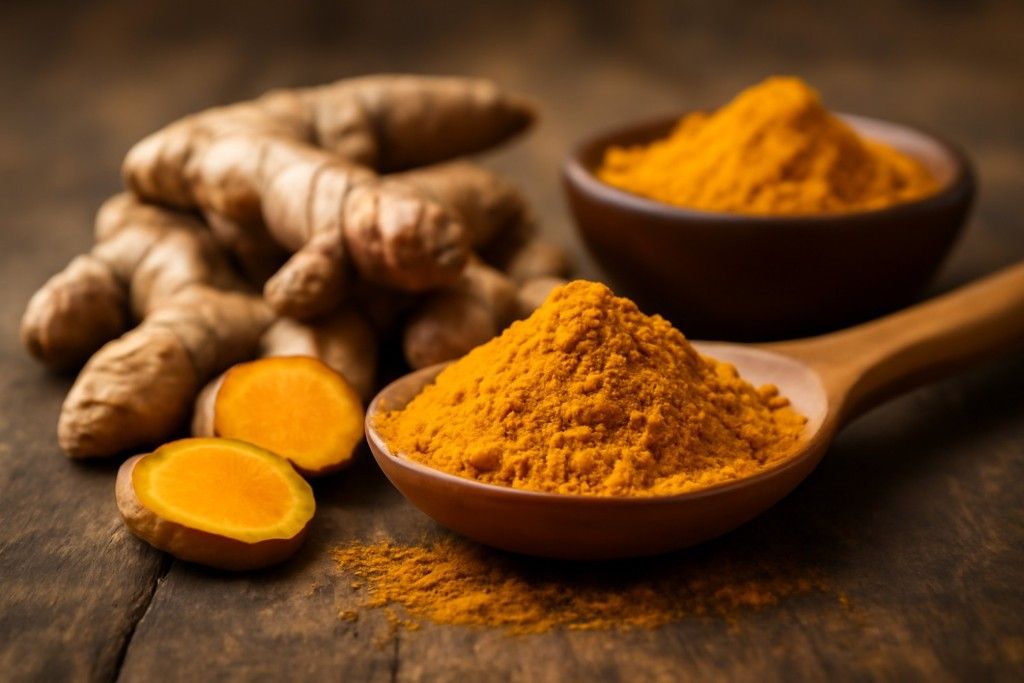
Turmeric, a bright yellow spice commonly used in cooking, is also known for its immune-boosting effects. Curcumin, the active compound in turmeric, is a potent antioxidant and anti-inflammatory agent. Studies show that curcumin can enhance the function of immune cells, such as T-cells and natural killer cells, which are crucial for defending against infections.
Additionally, turmeric has been found to help reduce inflammation in the body, which is essential for overall immune health. Incorporating turmeric into your diet, either as a supplement or in dishes like curries, can provide a powerful immune boost.
7. Andrographis
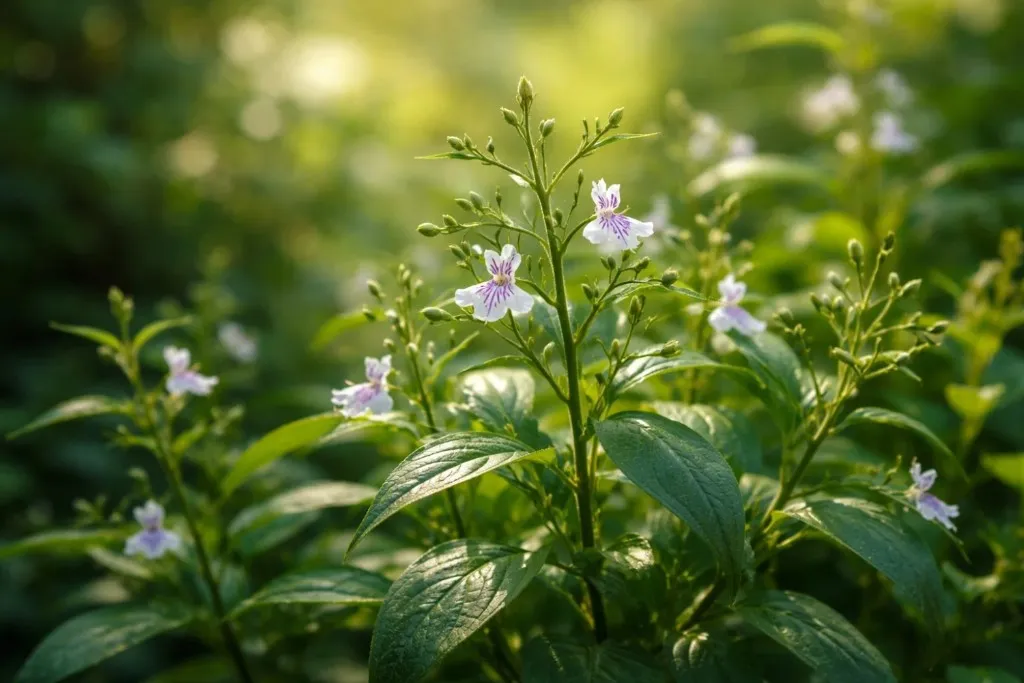
Andrographis, often called the “King of Bitters,” is an herb commonly used in Ayurvedic and traditional Chinese medicine to support the immune system. Research has found that andrographis can increase the body’s production of white blood cells and enhance the function of immune cells.
It is particularly useful for reducing symptoms of respiratory infections like the common cold and flu. Studies have also suggested that andrographis can shorten the duration of a cold when taken early. This herb is often consumed in supplement form due to its bitter taste but is highly effective in promoting immune health.
8. Oregano

Oregano is not only a flavorful herb used in cooking but also a powerful immune booster. It contains compounds such as carvacrol and thymol, which have demonstrated strong antimicrobial and antiviral properties in studies. Oregano is often used to fight off respiratory infections and boost the immune response.
The oil of oregano, in particular, is known for its high concentration of antioxidants and antibacterial properties. Taking oregano in supplement form or adding the dried herb to your meals can provide significant immune-boosting benefits.
9. Reishi Mushroom

Reishi mushrooms, known as “the mushroom of immortality,” have been used for thousands of years in traditional Chinese medicine to promote longevity and health. Reishi is a potent immune system modulator, meaning it can help both stimulate and regulate immune function.
Studies have found that reishi mushrooms contain beta-glucans, which stimulate immune cells such as macrophages and natural killer cells. Additionally, reishi mushrooms help reduce inflammation, making them a valuable herb for those looking to enhance their immune response while managing stress and inflammation.
10. Licorice Root
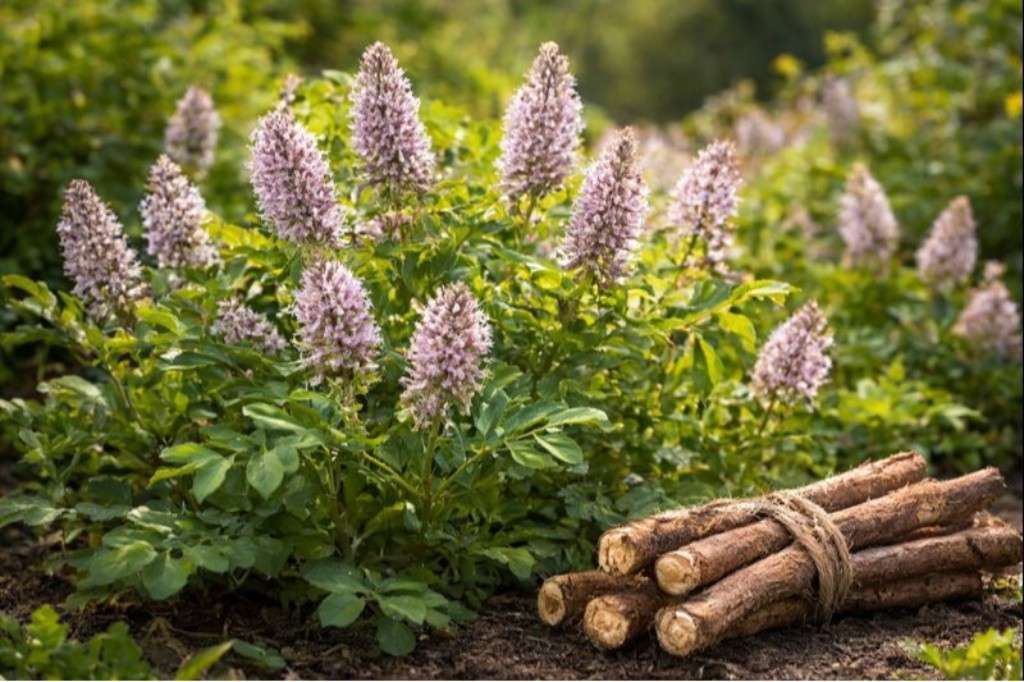
Licorice root has long been used in traditional medicine to boost immune function and fight off infections. It contains glycyrrhizin, a compound that has demonstrated antiviral and anti-inflammatory properties in studies. Licorice root can help stimulate the production of immune cells and improve the body’s ability to fight off infections.
While it is effective for supporting the immune system, it should be consumed in moderation, as excessive use can lead to side effects like high blood pressure. Licorice root is commonly found in teas and supplements.
11. Ashwagandha
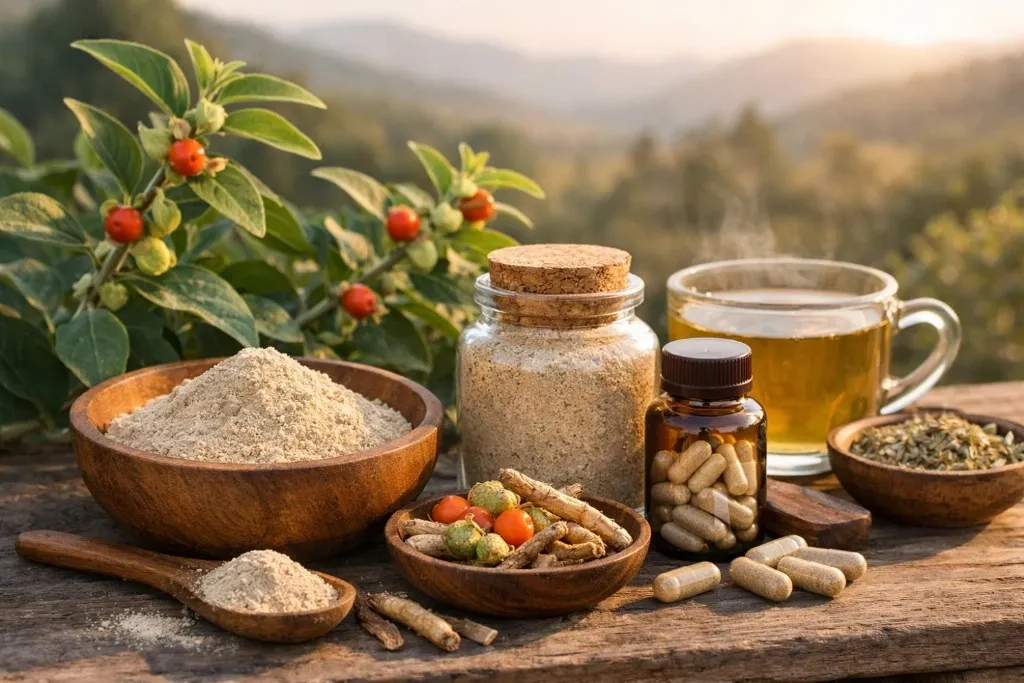
Ashwagandha, also known as Indian ginseng, is an adaptogenic herb that helps the body cope with stress. Chronic stress weakens the immune system, so ashwagandha’s ability to reduce stress can have a positive effect on immune function. Research shows that ashwagandha can increase the production of white blood cells and enhance overall immune response.
It is also known for its anti-inflammatory properties, which can help the body fight off infections. Ashwagandha is commonly consumed in capsule or powder form and can be incorporated into smoothies or teas for added immune support.
12. Holy Basil
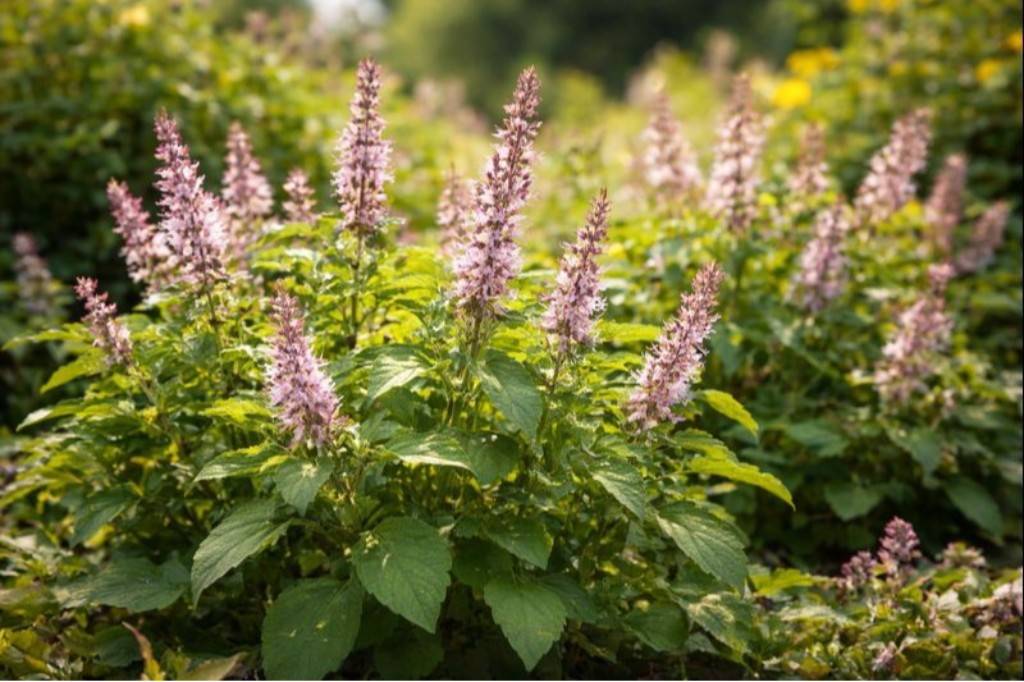
Holy basil, also known as Tulsi, is an herb with significant immune-boosting properties. It has been used in Ayurvedic medicine for centuries to promote overall health and vitality. Studies have shown that holy basil contains compounds that can enhance the activity of immune cells and help fight off infections.
It is particularly known for its ability to reduce stress and inflammation, which are both linked to weakened immunity. Drinking holy basil tea or using it in supplement form can help improve the body’s immune function and reduce the risk of illness.
13. Ginseng
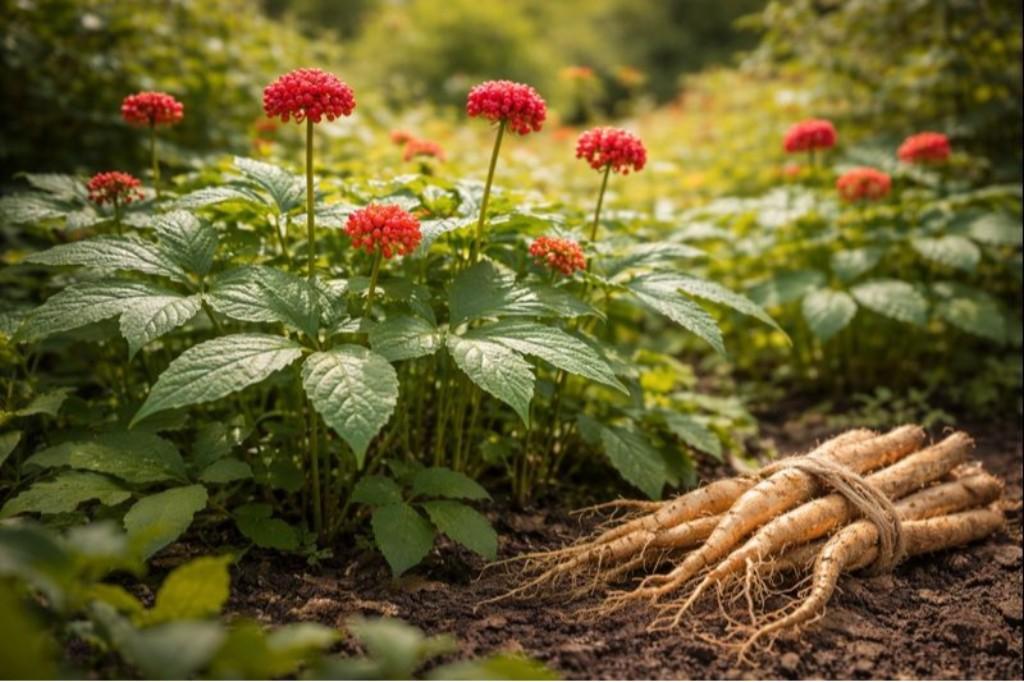
Ginseng, particularly Asian ginseng (Panax ginseng), has been used for centuries in traditional medicine to enhance vitality and immune function. Research suggests that ginseng can boost the production of white blood cells, which are critical for immune defense.
Ginseng has also been shown to reduce the severity of respiratory infections and improve recovery time. It is commonly consumed as a supplement or in tea form. While ginseng is beneficial for boosting immunity, it is best used in moderation to avoid overstimulation or side effects.
14. Cat’s Claw

Cat’s Claw is a vine native to the Amazon rainforest and has been used for centuries to boost immune health. Research indicates that Cat’s Claw can stimulate the immune system by increasing the production of white blood cells and improving the body’s ability to fight off infections.
It also has anti-inflammatory properties that can help manage conditions like arthritis. Cat’s Claw is often consumed in supplement form, and its immune-enhancing benefits make it an excellent addition to any wellness routine.