
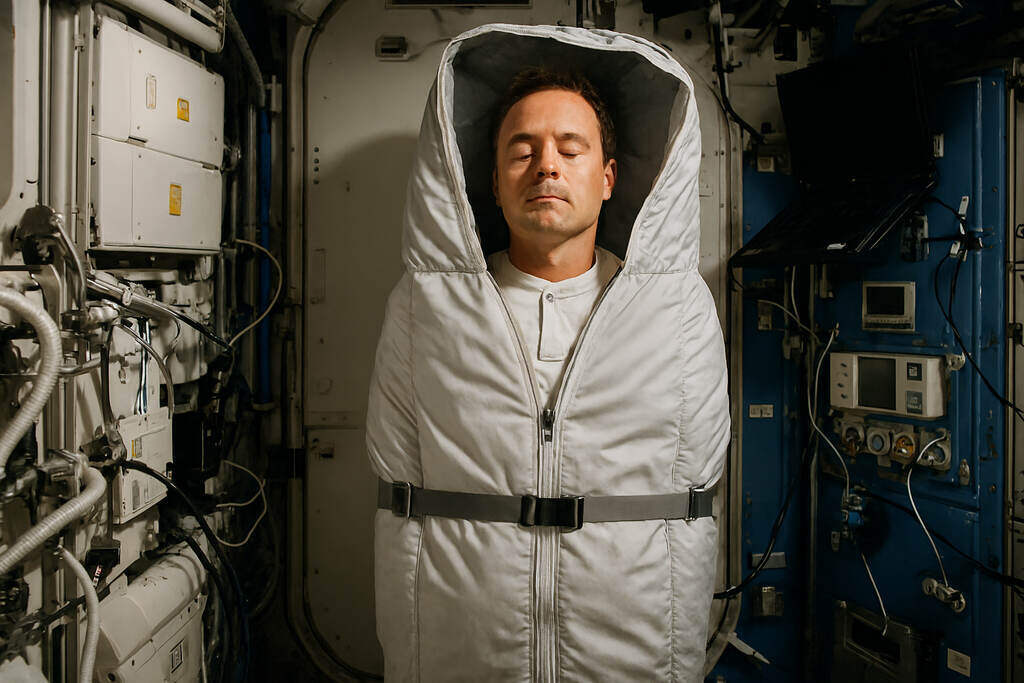
What’s the one thing astronauts miss most in space? Many say it’s a good night’s sleep. Up there, there’s no “up” or “down.” You can’t just climb into a bed and snuggle under a blanket. Instead of lying down, they float.
But sleep is critical. A tired astronaut makes mistakes, and in space, a small error can be dangerous. So, how do you sleep when you’re weightless? The solutions are clever, sometimes strange, and full of practical lessons about adapting to an utterly foreign world. Let’s drift off and explore how astronauts really catch their Z’s.
1. No Beds, Just Bags: The Sleeping Quarters
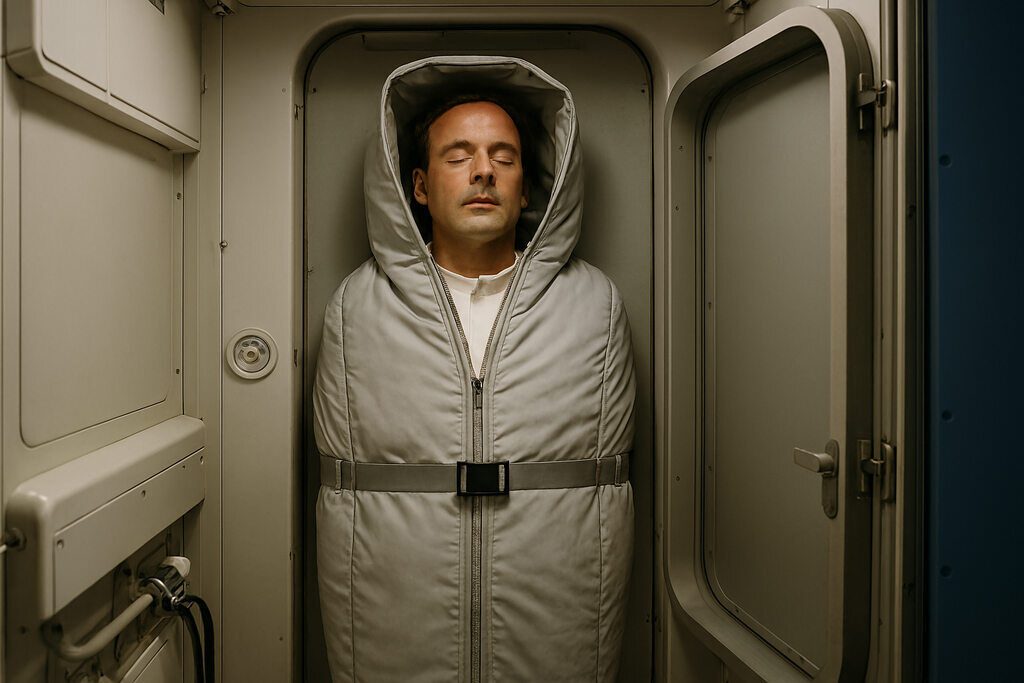
Forget a traditional bedroom. On the International Space Station (ISS), astronauts have small, private crew cabins about the size of a phone booth. Inside isn’t a bed, but a sleeping bag. This bag is specially designed and firmly attached to the cabin wall. An astronaut zips themselves into it, using straps to secure their body.
The wall becomes their de facto “mattress.” By tethering themselves, they avoid floating around and bumping into sensitive equipment during the night. It’s a cozy, confined cocoon that provides a sense of orientation and security in the endless free-fall.
2. Strapping In: Why You Can’t Just Float
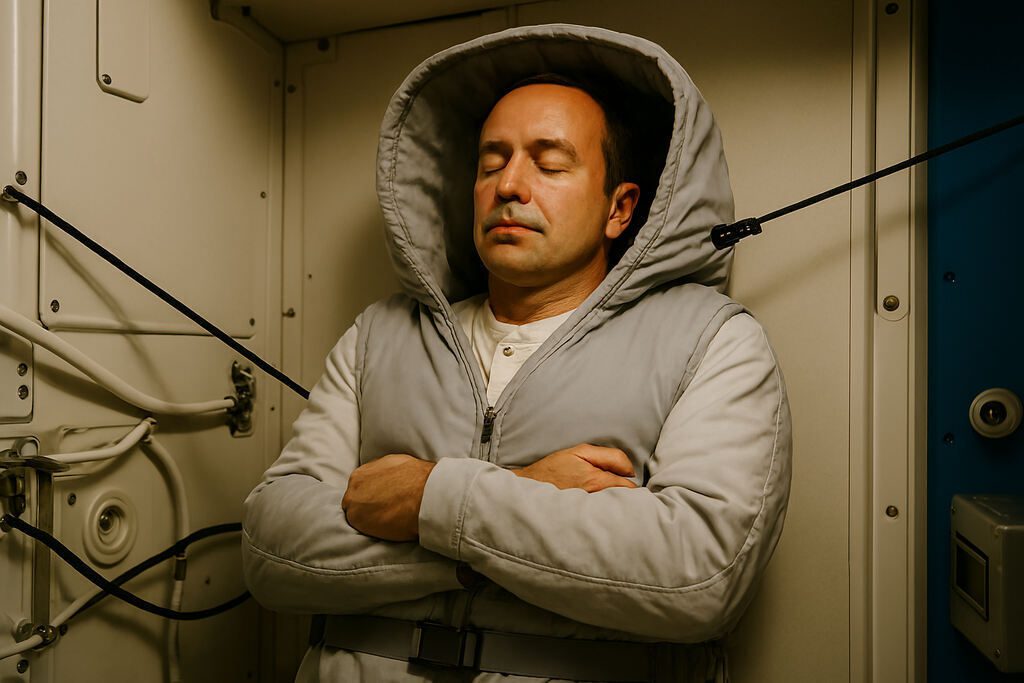
Imagine falling asleep and waking up drifting across the module, tangled in cables or gently bumping into a computer screen. To prevent this, astronauts must be restrained. The sleeping bag has armholes and is lined with strong fabric loops. It gets anchored to the cabin wall with bungee cords or straps.
Before sleep, the astronaut zips in and often tucks their arms inside or straps them across their chest to prevent them from floating up. This restraint isn’t just for safety; it provides a subtle pressure that mimics the feeling of lying down, helping the brain understand it’s time to rest.
3. Choosing Your “Up”: There’s No Wrong Side
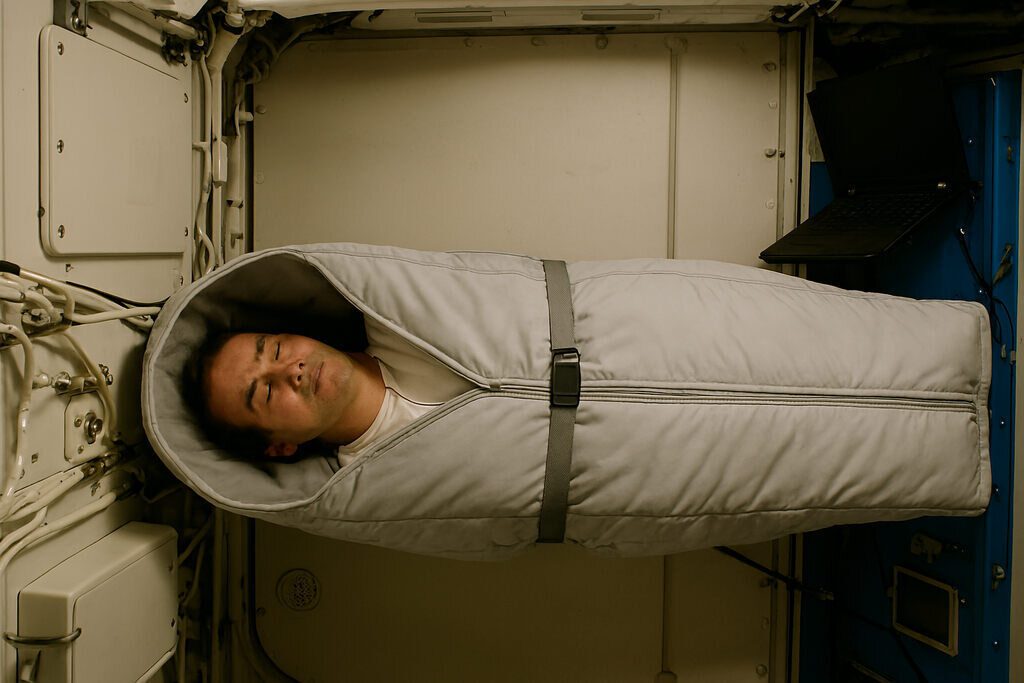
One of the strangest parts of space sleep is choosing your orientation. Since there’s no gravity to define “up,” astronauts can sleep in any position relative to the room. Some sleep vertically, with their “head” toward the “ceiling.” Others prefer horizontal, as if the wall is the floor.
Many even sleep upside down! The key is personal comfort and consistency. Most people pick one orientation and stick with it to help their minds establish a routine. The cabin’s airflow is also designed to work no matter which way they face, ensuring they don’t rebreathe stale air.
4. The Importance of Routine: Sticking to a Schedule
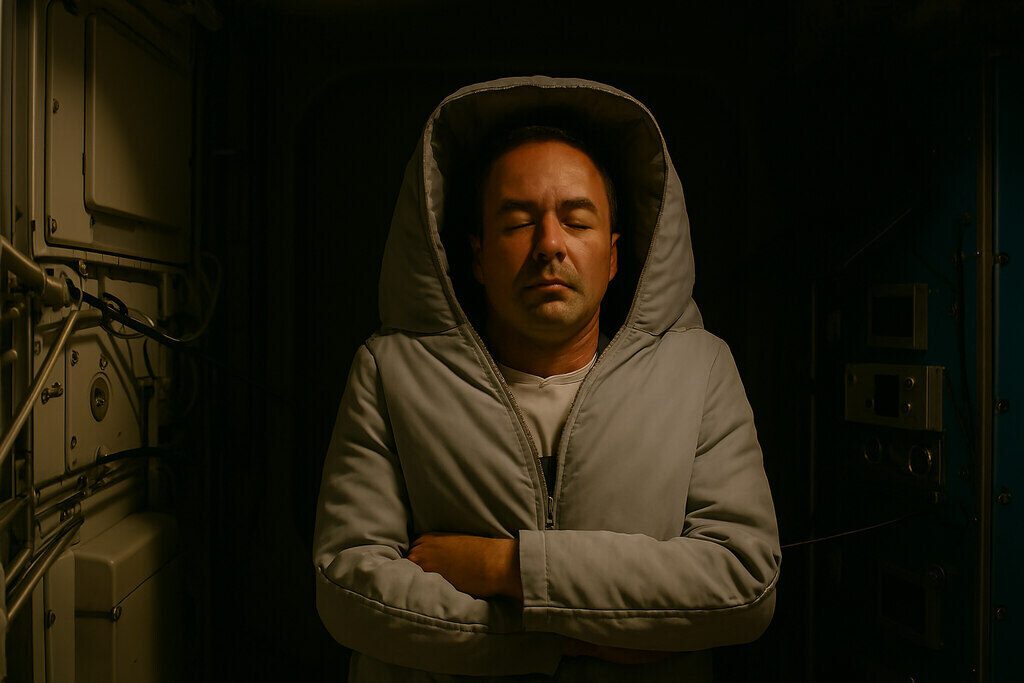
Our bodies rely on a 24-hour cycle called the circadian rhythm, governed by light and darkness. On the ISS, the sun rises and sets 16 times a day, which is utterly disorienting. To fight this, Mission Control enforces a strict schedule. Astronauts follow Coordinated Universal Time (UTC).
Their “day” is planned to the minute, with a dedicated 8.5-hour sleep period. Lights are dimmed in the station during this time, and astronauts use blackout shades on their cabin windows. This artificial cycle is crucial for maintaining mental sharpness and physical health.
5. The Battle With Noise: It’s Never Silent
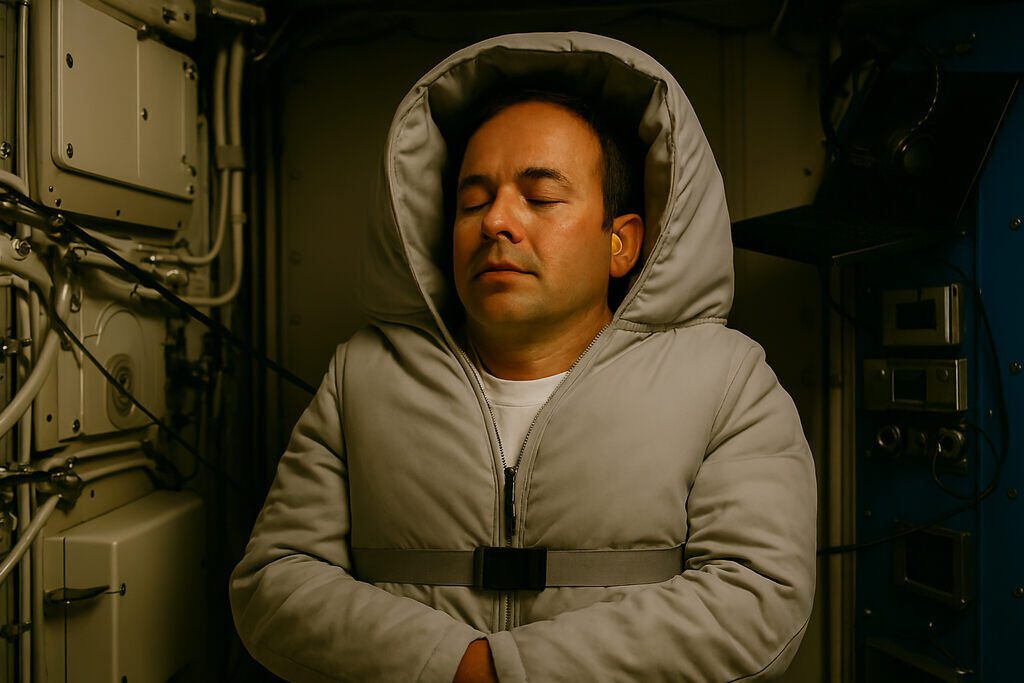
The space station is never quiet. It’s a giant, humming machine. Constant noise comes from life support fans, circulating pumps, cooling systems, and computers. The ambient sound level is often around 60-65 decibels, like being in a busy office all the time. To cope, almost every astronaut uses earplugs.
Some also use white noise machines or play calming music through headphones. Managing this noise is essential for reaching deep, restorative sleep stages. Over time, many astronauts say they get used to the constant hum, but earplugs remain a nightly essential.
6. The Floating Arms Problem: A Strange Sensation
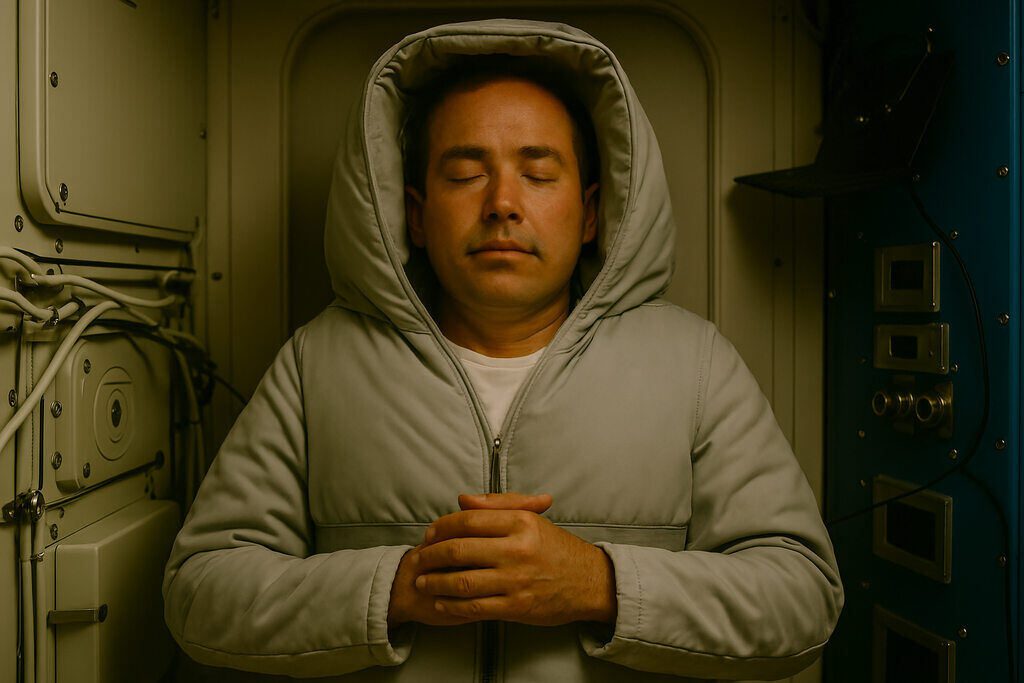
A common, disconcerting experience for new astronauts is the floating arms phenomenon. As they start to relax and drift off, their arms, no longer restrained by gravity, can slowly drift up in front of their face. This can trigger a startling sensation of falling or losing control, jolting them awake. The solution is to either tuck their arms inside the sleeping bag or use a light strap to hold them gently against their body. It’s a small but vital trick to convince the subconscious mind that the body is “safe” and at rest.
7. Pillows and Comfort: It’s About Pressure, Not Support
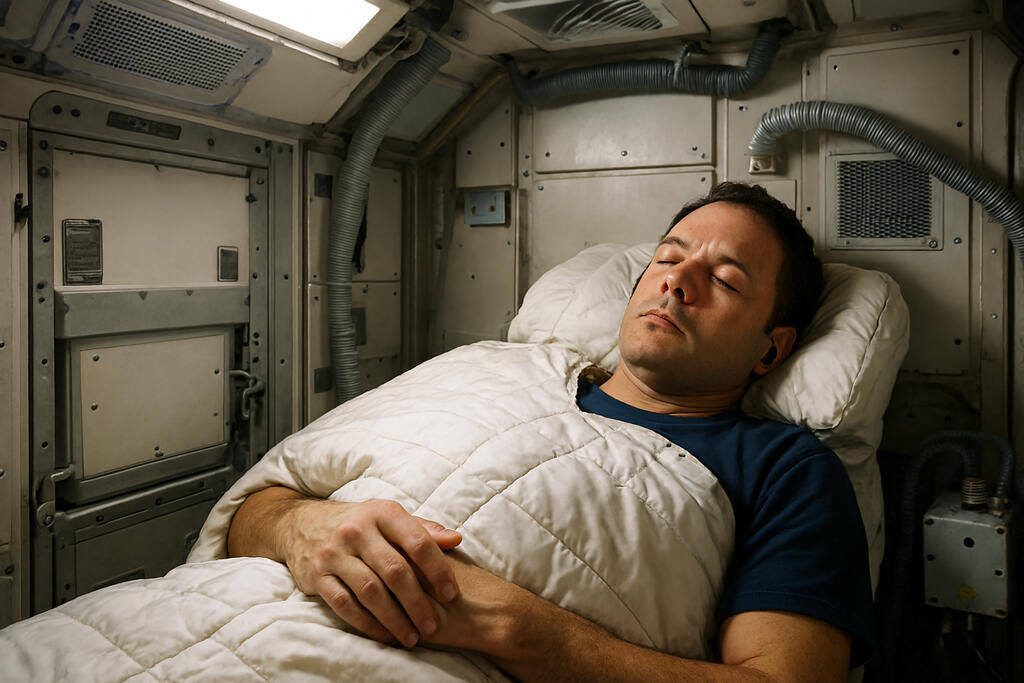
A normal pillow works by supporting the head’s weight. In zero-G, there’s no weight to support, so a fluffy pillow is useless—your head would just float away from it. Instead, astronauts often use a specialized pillow that’s more like a padded horseshoe or a sturdy cushion.
They strap their head to it. The goal isn’t softness, but to provide gentle pressure on the skull and cheeks. This pressure, along with the restraint of the sleeping bag, creates the sensory input the brain craves to feel grounded and ready for sleep.
8. Temperature Control: Avoiding the Chilly Float
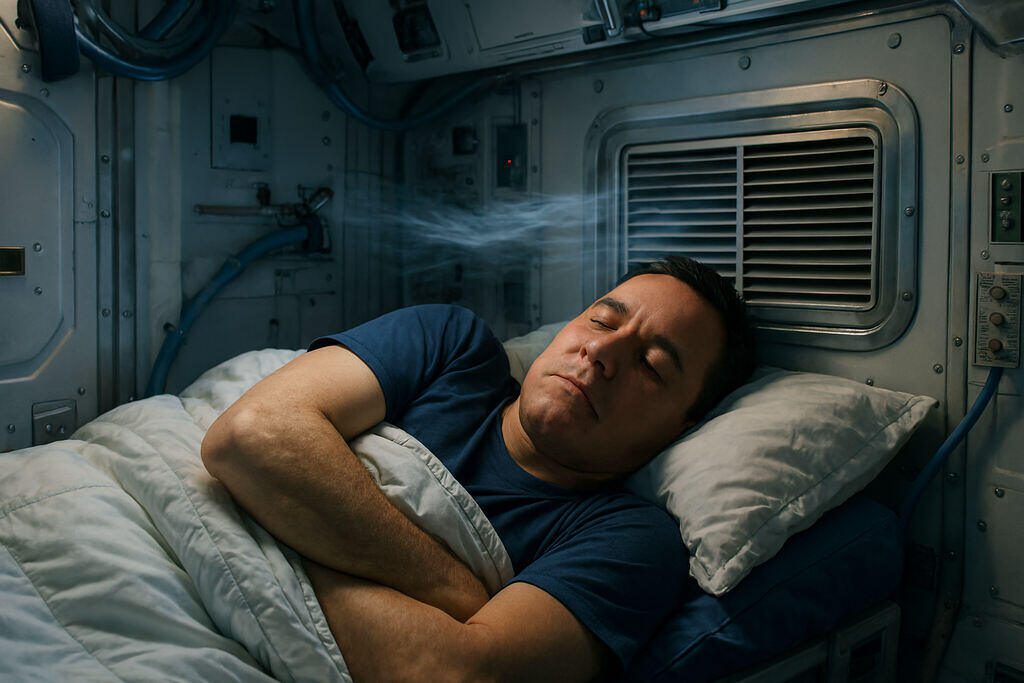
In the absence of gravity, warm air doesn’t rise, and cool air doesn’t sink. This means body heat can form a bubble around a sleeping astronaut, leaving them in a warm, stuffy cocoon of their own exhaled air. To prevent this, the station’s ventilation system is meticulously designed to maintain a steady, gentle airflow throughout each cabin.
This breeze wicks away moisture and carbon dioxide and distributes heat evenly. Astronauts still use lightweight sleep clothing, but the environmental system is the true MVP in keeping them at a comfortable temperature all night.
9. Dreams in Space: Often About Gravity
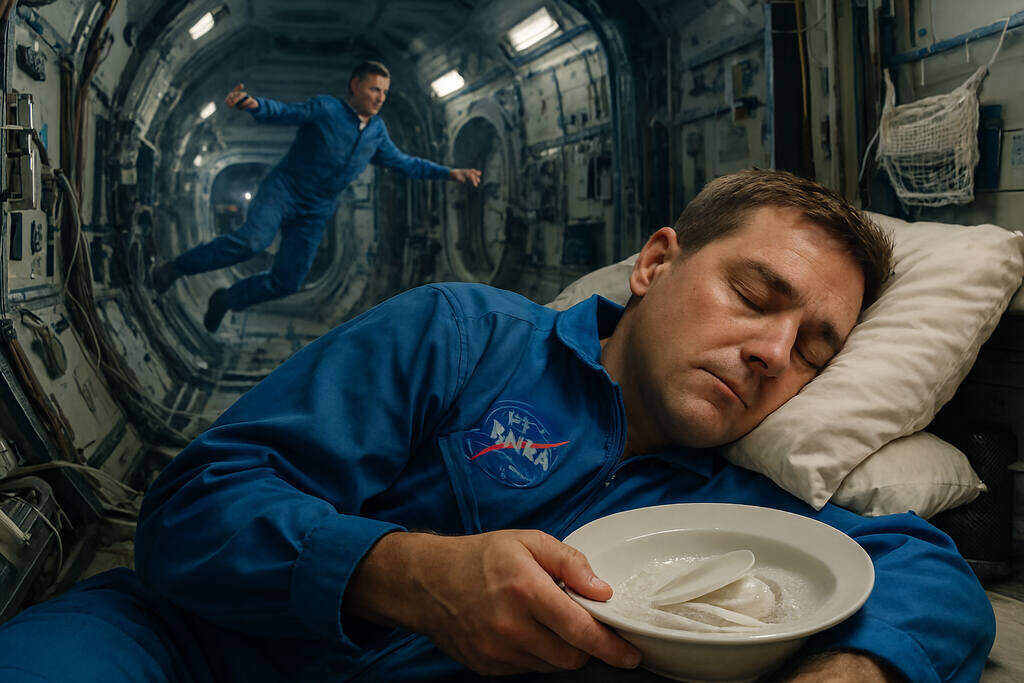
Interestingly, astronauts often report that their dreams change in space. Many dream about Earth-normal experiences involving gravity: walking, running, feeling the weight of objects, or even mundane tasks like doing dishes. It’s as if the brain is practicing and remembering the sensations it’s missing.
Others have vivid dreams of floating through the station’s modules. These dreams highlight how profoundly the body and mind adapt to a new environment, even during rest. Sleep becomes a time for the brain to process the extraordinary reality of living in zero gravity.
10. The Challenge of Fatigue: Why Sleep is a Mission Priority
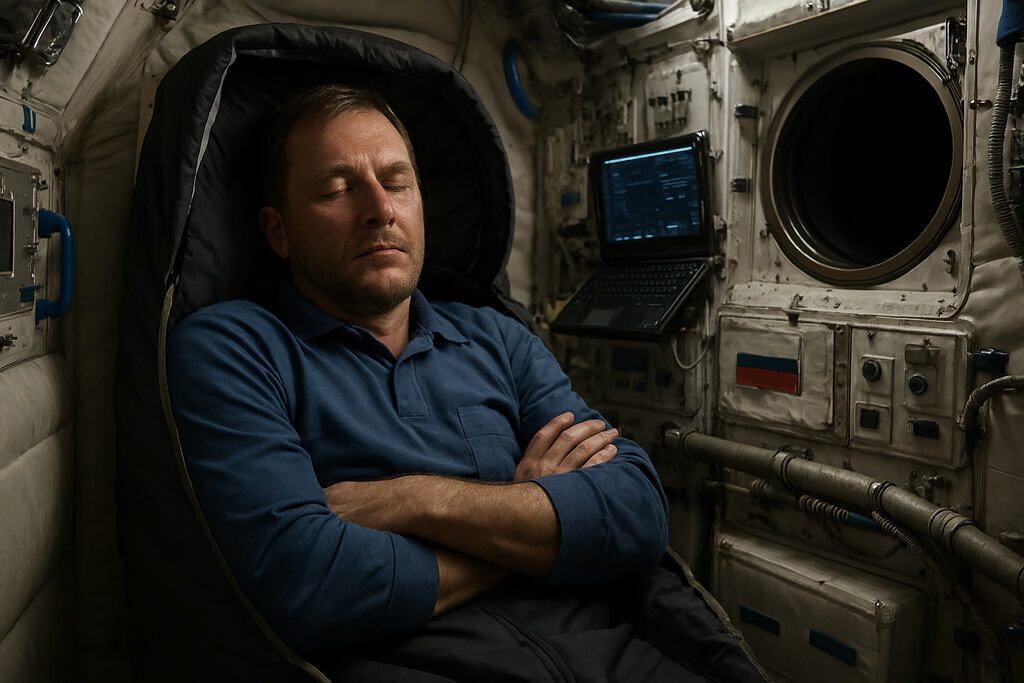
NASA treats sleep as a critical part of mission success. Fatigue in space is dangerous. It impairs judgment, slows reaction time, and increases the risk of error during complex robotics operations or science experiments. Chronic poor sleep can also weaken the immune system.
That’s why the schedule protects sleep time so fiercely. Astronauts are even trained in sleep hygiene techniques before launch, learning how to wind down effectively in a challenging environment. A well-rested crew is a safe, productive, and happy crew.
11. Sleep Monitoring: How They Track Rest
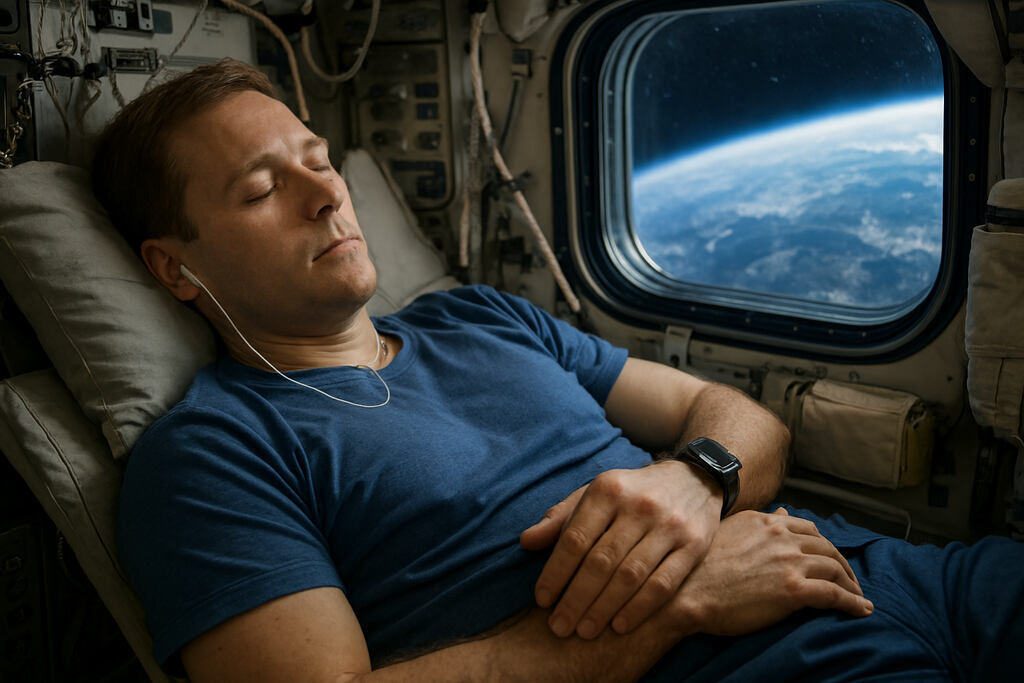
Mission doctors don’t just take the astronauts’ word for it. They actively monitor sleep. Astronauts often wear simple actigraphs—watch-like devices that track movement—to gauge how much they’re actually sleeping versus just resting. They also keep sleep logs, reporting on their perceived sleep quality.
This data helps flight surgeons on the ground identify if someone is struggling with insomnia or fatigue, allowing them to adjust schedules, lighting, or even recommend relaxation techniques. It’s a proactive approach to health management 250 miles above Earth.
12. The Psychological Comfort: Personal Touches
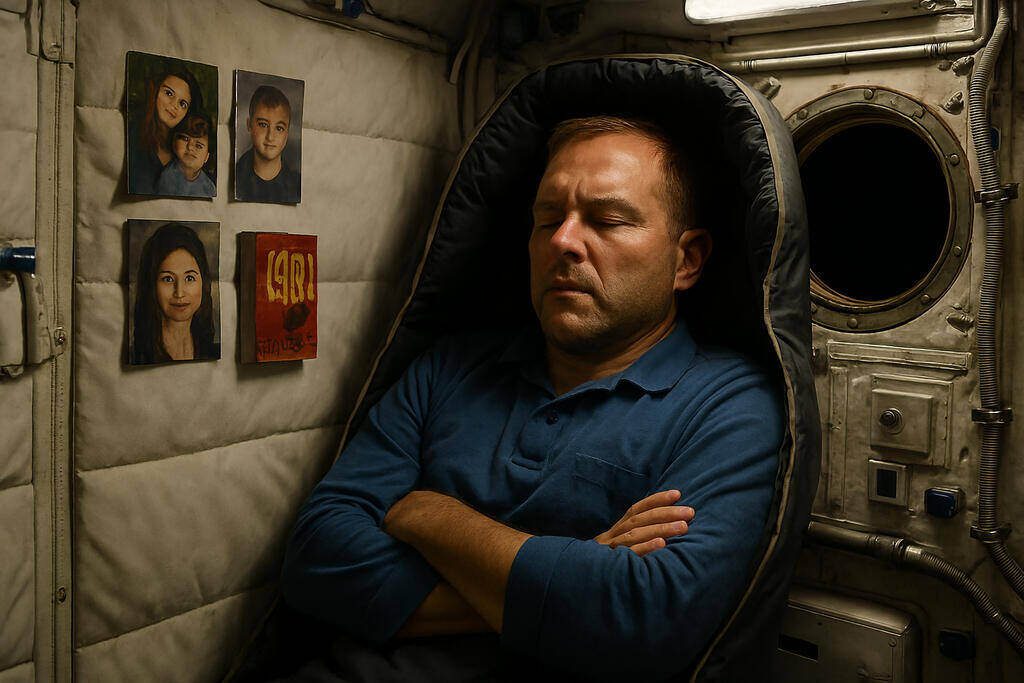
To make their cramped quarters feel like a personal sanctuary, astronauts bring small items from home. Photos of family, a favorite book, or a treasured memento are often Velcroed to the wall beside their sleep station. These personal touches provide immense psychological comfort, creating a small, familiar haven in an overwhelmingly technical and foreign environment. This connection to home is a powerful tool for mental well-being, helping them relax and detach from the high-stakes workday before sleep.
13. Adapting Back on Earth: The Return to Gravity

The return to Earth brings a new sleep challenge: gravity. After months in space, the body has forgotten the weight of its own limbs. Astronauts often report feeling incredibly heavy for the first few nights back, as if a giant hand is pressing down on them. Some even drop items, misjudging their weight.
They may strap themselves into bed to avoid the strange sensation of falling out. Re-adapting to sleeping in a normal bed can take several days or weeks, a final reminder of the profound adaptation their bodies have undergone.
14. Lessons for Earth: What We Can Learn
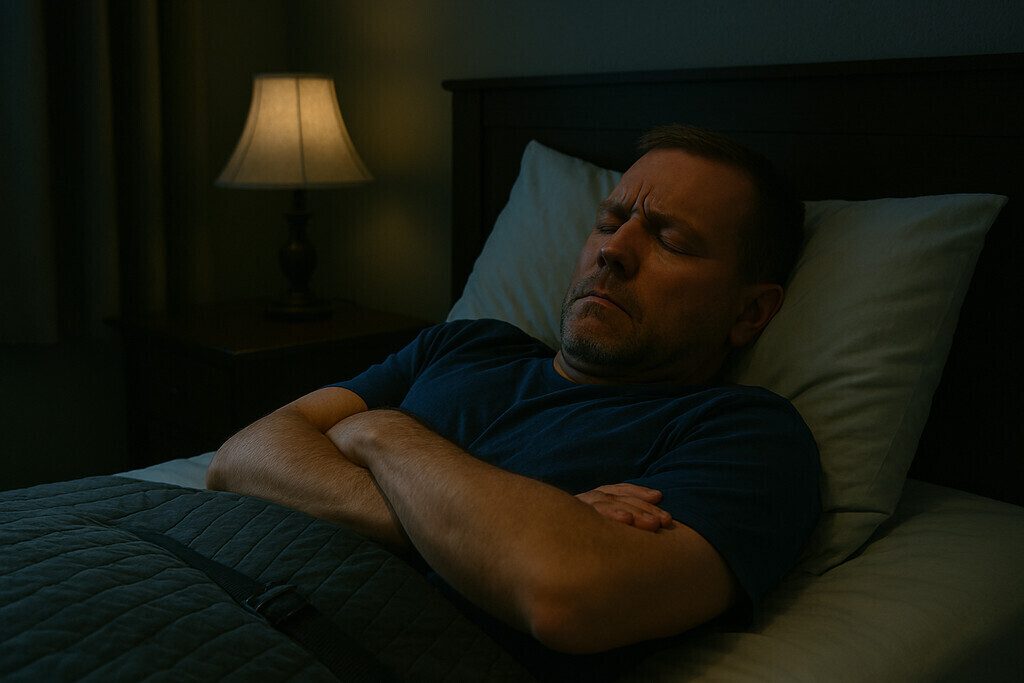
The extreme sleep challenges of space offer lessons for us on Earth. The importance of a dark, cool, and quiet sleep environment is paramount. The value of a strict pre-sleep routine to signal the brain it’s time to wind down is clear.
Even the use of light pressure (like a weighted blanket) to aid relaxation is mirrored in space sleeping techniques. By studying how humans rest in the worst possible conditions, we better understand how to perfect our own sleep habitats at home, proving space research has very down-to-earth benefits.
15. Conclusion: The Ultimate Test of Adaptability
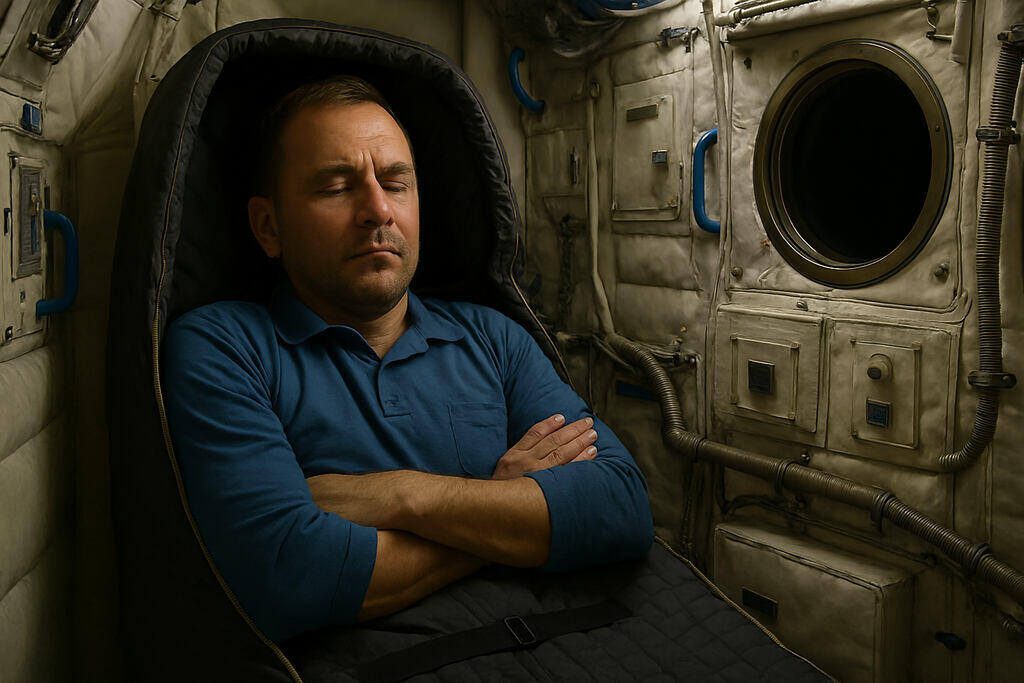
Sleeping in space is a brilliant exercise in human ingenuity. It shows that even our most basic, biological needs can be met with creativity and science when we’re faced with an impossible environment. Astronauts don’t conquer sleep; they learn to cooperate with it, adapting their instincts to a world without “down.”
Their journey reminds us that comfort is flexible, and rest is non-negotiable—no matter where you are. So tonight, as you lie down in your steady, gravity-held bed, think of the astronauts gently tethered to their wall, and appreciate the simple, wonderful fact of a solid night’s rest.