
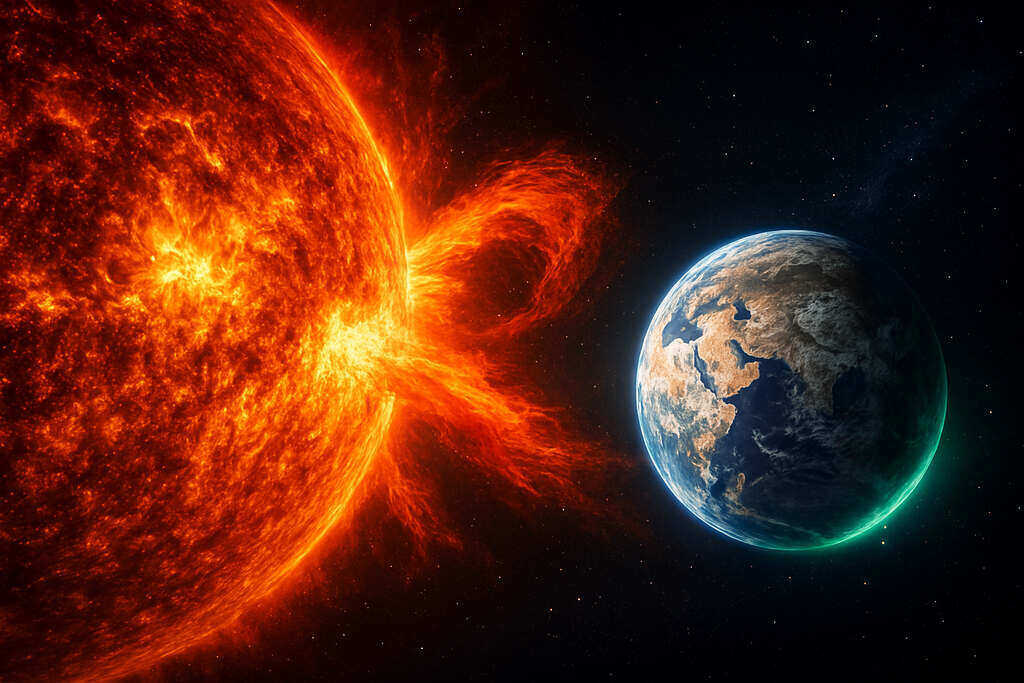
Our Sun is not the quiet, steady ball of light it seems. It has a temper. Sometimes, it throws massive tantrums of energy called solar storms. They race toward Earth at a million miles per hour. Think of them as space hurricanes. These storms can do more than create beautiful auroras.
They have the power to knock out satellites, disrupt radio signals, and even cause blackouts on Earth. We’re more vulnerable today than ever, as our world depends on fragile technology. But are we helpless? Let’s explore the fascinating, sometimes scary, reality of space weather and how we’re preparing.
1. What is Space Weather? It’s Not Rain or Snow
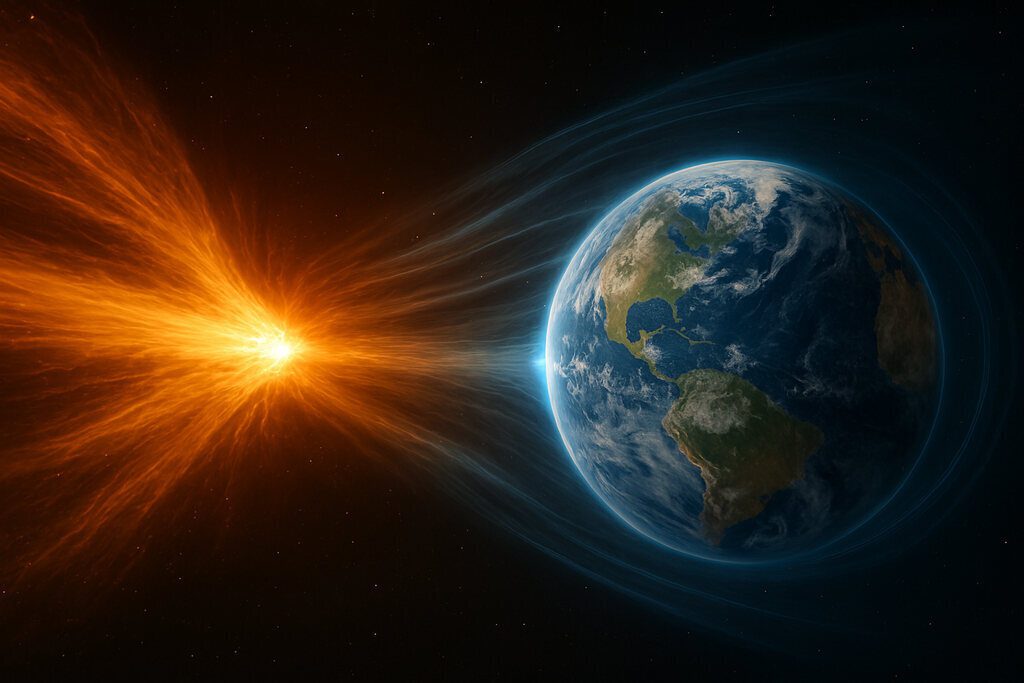
When we hear “weather,” we think of clouds and wind. Space weather is different. It describes the ever-changing conditions in space, driven by our Sun’s activity. Just as the Sun warms our planet, it also sends out a constant stream of particles called the solar wind.
Sometimes, the Sun erupts with giant explosions—solar flares and coronal mass ejections (CMEs). These events blast radiation and magnetized plasma toward Earth. When this energized material interacts with our planet’s magnetic field, it creates space weather. It’s the “atmosphere” we live in on a cosmic scale.
2. The Sun’s Fury: Solar Flares vs. Coronal Mass Ejections
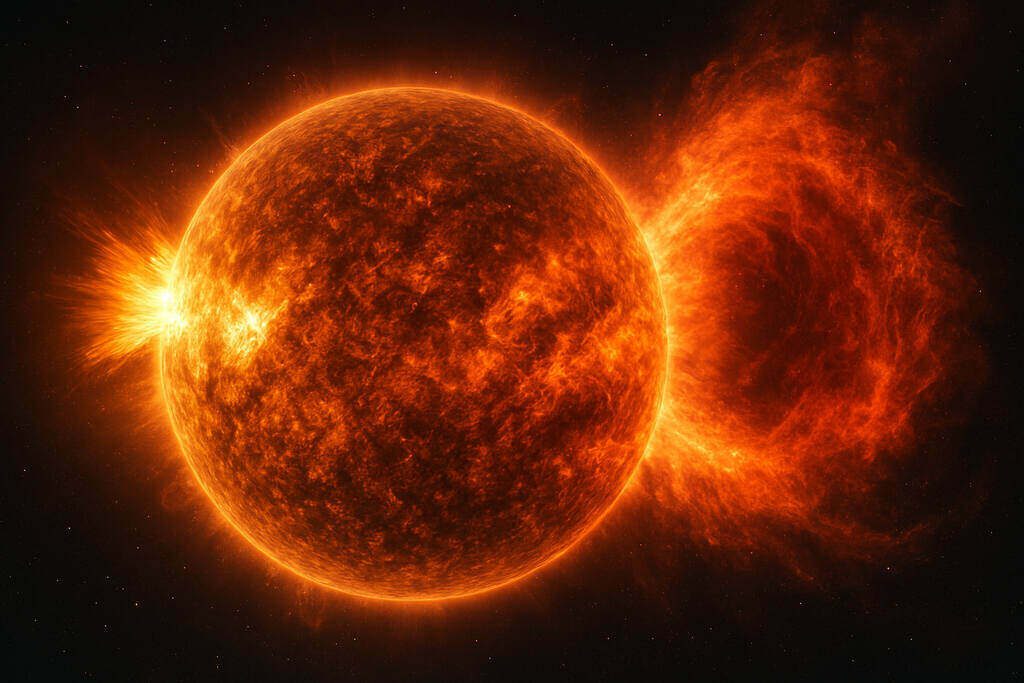
The Sun’s two main weapons are different. A solar flare is a sudden, intense flash of radiation—like a cosmic flashbulb. It travels at the speed of light, reaching Earth in about 8 minutes. It can disrupt radio communications. A Coronal Mass Ejection (CME) is far more dangerous.
It’s a colossal cloud of magnetized solar plasma, billions of tons of matter, ejected from the Sun. It travels slower, taking days to arrive, but it carries the punch that can severely disturb Earth’s magnetic field, causing technological chaos.
3. The Carrington Event: A Warning from 1859
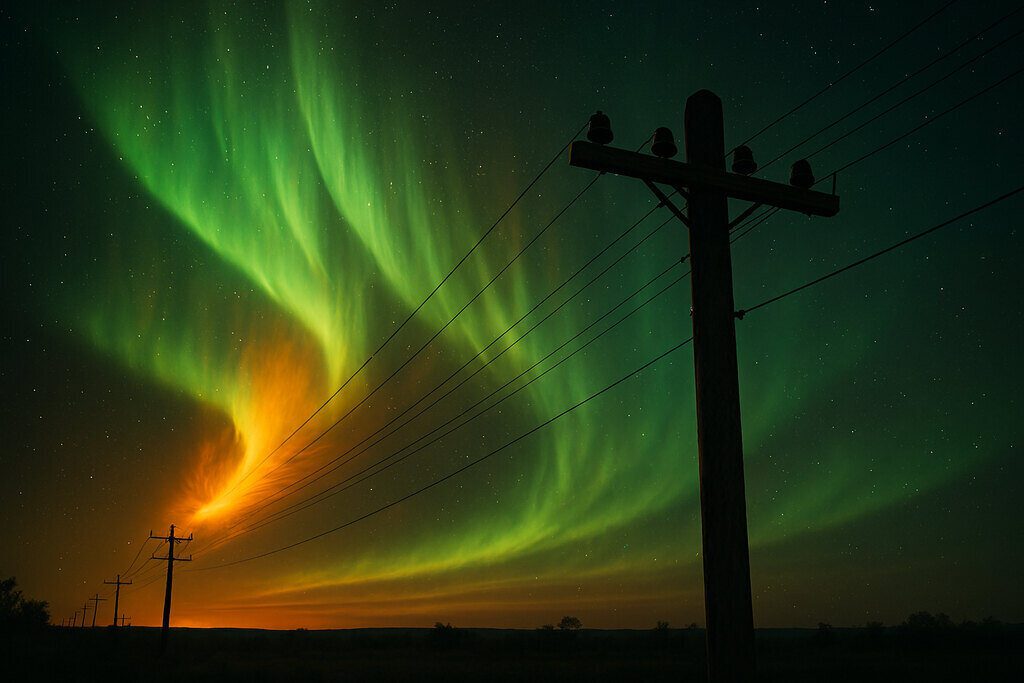
History shows us what’s possible. In September 1859, astronomer Richard Carrington witnessed a massive solar flare. Hours later, a related CME hit Earth. The result was the Carrington Event. Auroras were seen as far south as Cuba.
Telegraph systems worldwide failed, with operators shocked by sparks and some lines catching fire. It was a global technological disruption for its time. Today, a storm of that magnitude would be catastrophic. This historic event is our benchmark for a worst-case scenario, proving these storms are real.
4. How a Solar Storm Reaches Earth: The Journey Here
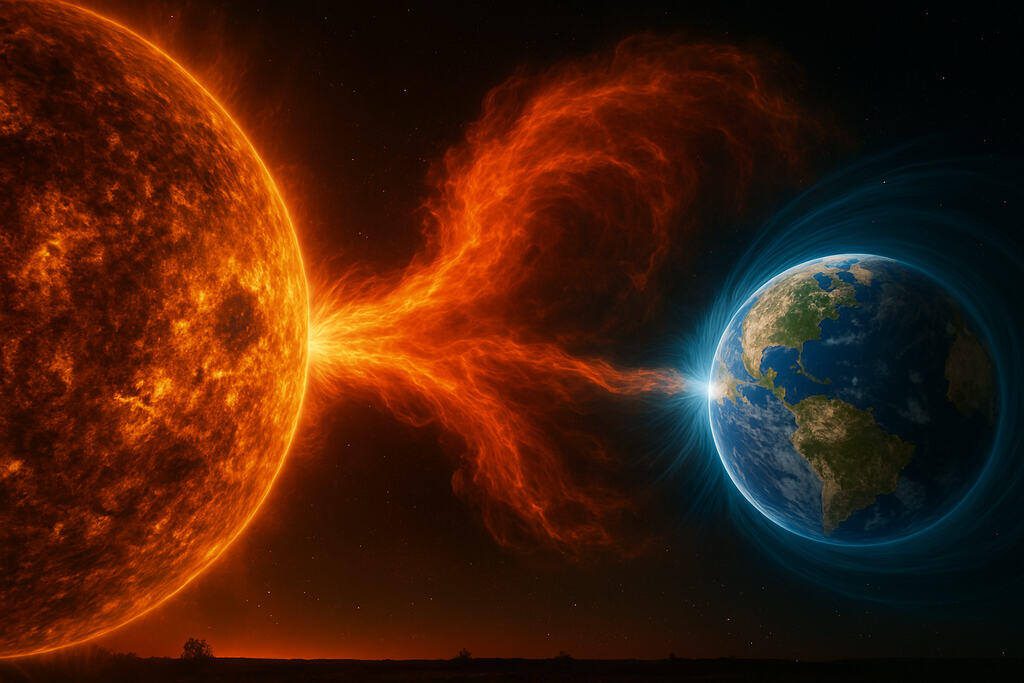
The journey begins at the Sun. A complex sunspot, a dark and magnetically active region, becomes unstable and erupts. The CME cloud is launched into space. For one to two days, it travels across the 93 million-mile void. When the cloud’s magnetic field is oriented southward (opposite Earth’s northward field), it connects violently with our planet’s magnetosphere—the protective magnetic bubble. This connection transfers enormous energy into our upper atmosphere, setting the stage for widespread effects. It’s a direct hit from a solar cannon.
5. The Shield: Earth’s Magnetosphere
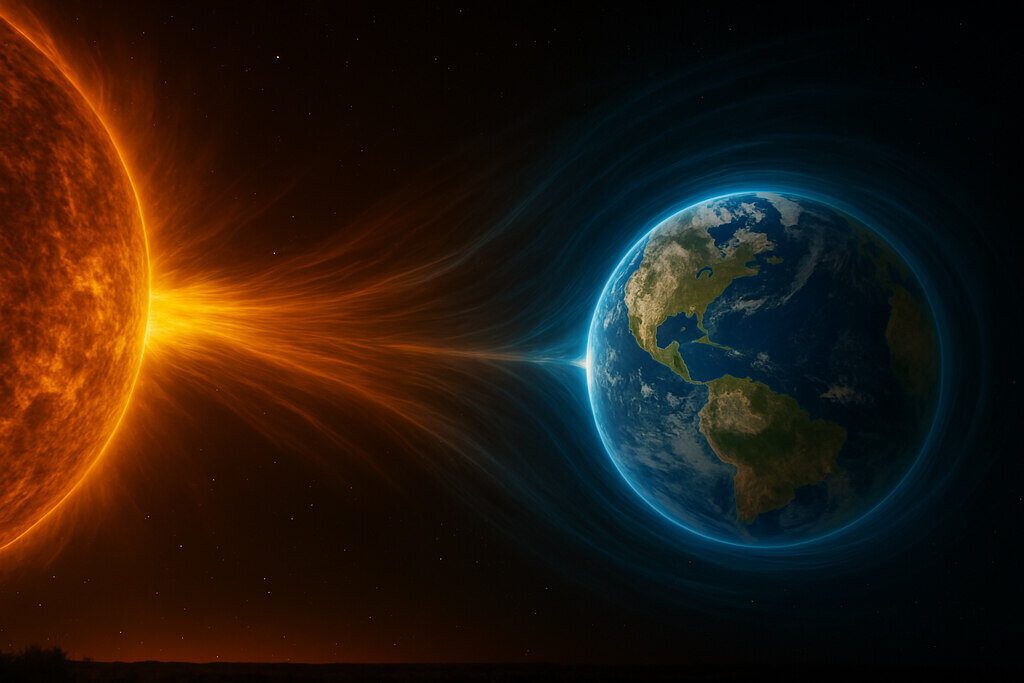
We are not defenseless. Earth has a powerful, invisible force field: the magnetosphere. Generated by our planet’s molten iron core, it extends far into space and deflects most of the constant solar wind, like a rock diverting a stream. During a solar storm, the magnetosphere absorbs the impact, protecting life on the surface from harmful radiation. However, the immense energy from a strong storm compresses and stresses this shield, allowing charged particles to funnel down toward the poles. This shield is our first and most vital line of defense.
6. The Beautiful Side Effect: Auroras
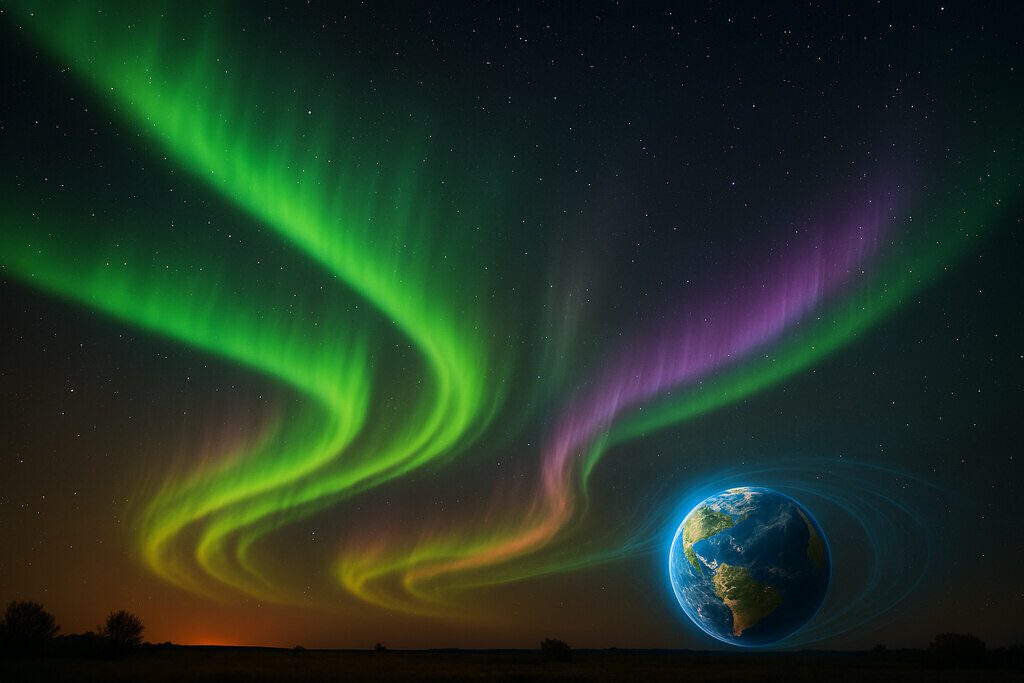
The most visible and stunning effect of a solar storm is the aurora (Northern or Southern Lights). When charged solar particles are channeled by the magnetosphere toward the poles, they collide with gases in our upper atmosphere. These collisions excite oxygen and nitrogen molecules, causing them to release light. Green and red hues come from oxygen; purples and blues from nitrogen. A strong storm can push these dazzling light shows much farther south, turning a solar threat into a breathtaking natural spectacle for millions.
7. The Threat to Satellites: Our Eyes in the Sky
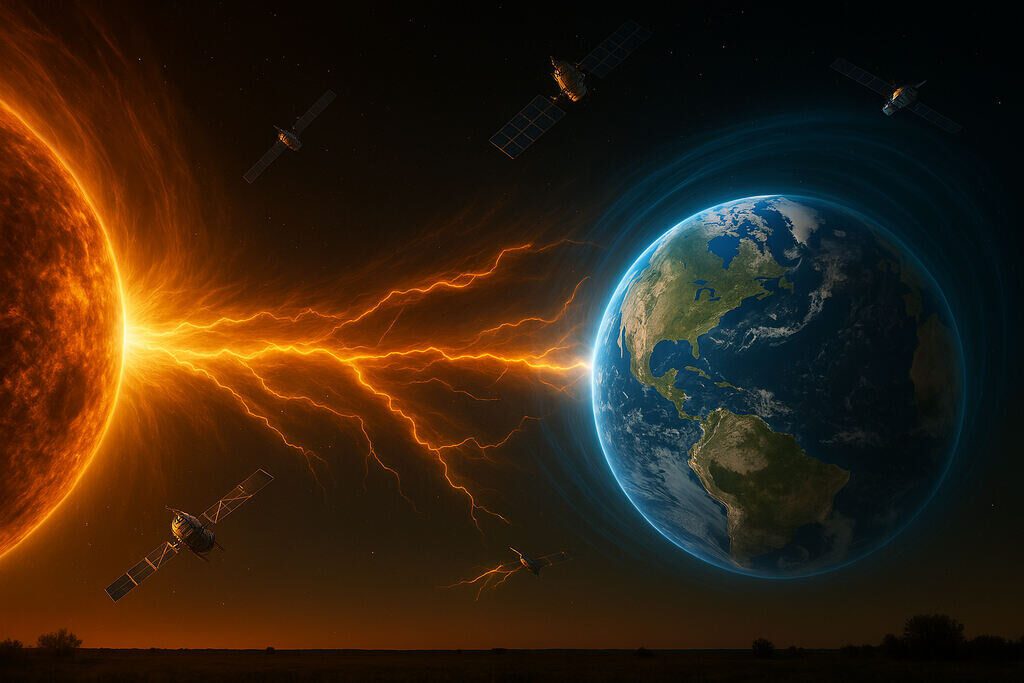
Our modern world relies on satellites for GPS, weather forecasting, communications, and banking. A major solar storm poses a direct threat. Intense radiation can fry satellite electronics, while the heated and expanded upper atmosphere increases drag on low-Earth orbit satellites, altering their orbits.
Energetic particles can also cause “bit flips” in computer memory, leading to data corruption and malfunctions. Losing a significant number of satellites would disrupt global navigation, timing networks, and international communications almost instantly.
8. The Grid Down Scenario: Risk to Power Networks
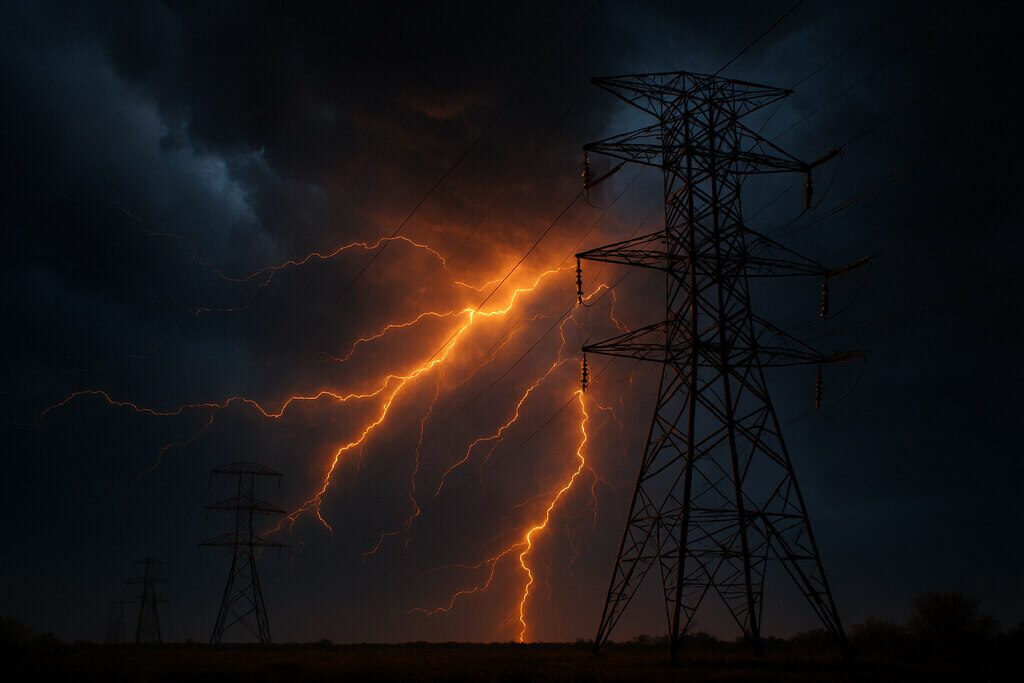
This is the most serious terrestrial threat. Our vast power grids act like giant antennas. A severe geomagnetic storm induces powerful geomagnetically induced currents (GICs) in these long-line transmission systems. These extra, direct currents can overload transformers, causing them to overheat and fail.
Unlike a local outage, replacing a massive high-voltage transformer can take months or years. A Carrington-level event could potentially cause cascading failures, leading to widespread, long-term blackouts affecting millions.
9. Disrupted Communications: When Signals Fail
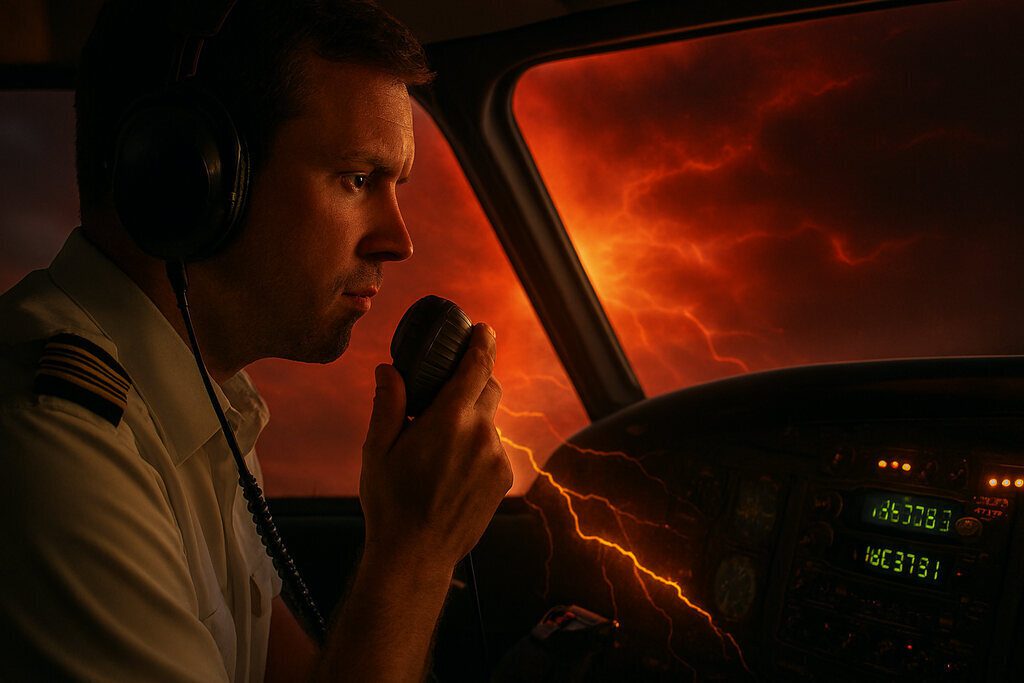
Solar storms create radio blackouts. The X-rays from a solar flare ionize (charge) the lower layer of our atmosphere (the D-layer). This charged layer absorbs high-frequency radio waves used by aviation, maritime, and emergency services for long-distance communication, causing a radio blackout on the sunlit side of Earth.
Additionally, the storm’s turbulence can scramble satellite radio signals (like GPS), reducing accuracy from feet to miles. For pilots, ships, and first responders, this loss of reliable communication and navigation is a major operational hazard.
10. The Economic Impact: A Trillion-Dollar Storm
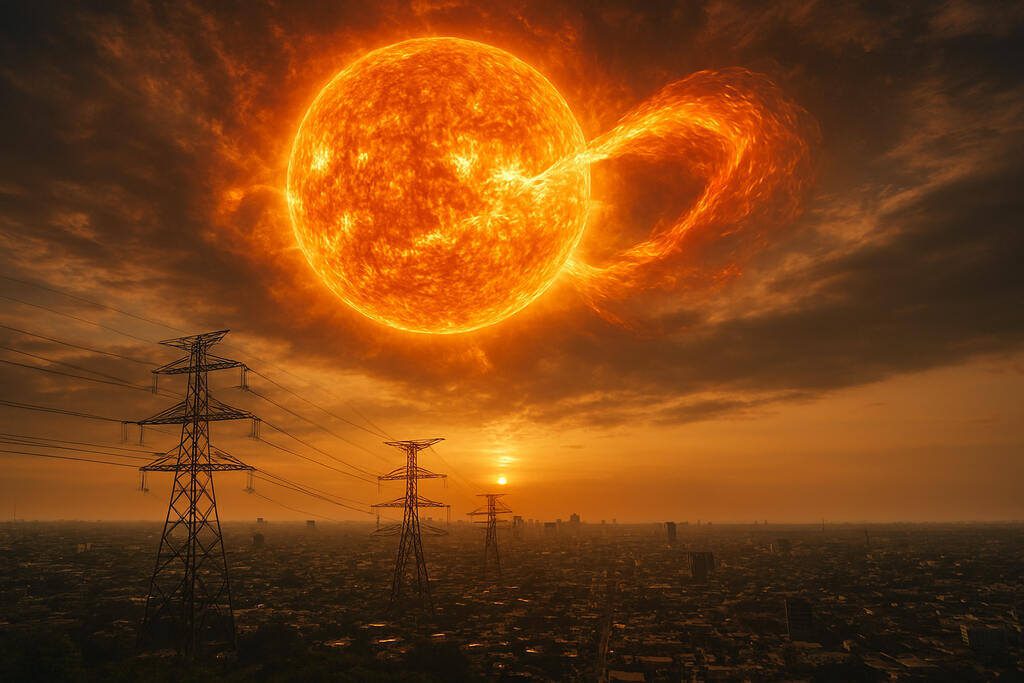
The financial cost of a severe solar storm could be unprecedented. A 2013 Lloyd’s of London study estimated a Carrington-level event could cause up to $2.6 trillion in damages in the U.S. alone, with full recovery taking years. Costs would come from: damaged grid infrastructure, lost satellite services, disrupted global supply chains, halted financial trading, and the broader economic paralysis from a prolonged power outage. It’s not just a technical problem—it’s a civilization-scale economic vulnerability we must prepare for.
11. How We Monitor the Sun: Our Early Warning System
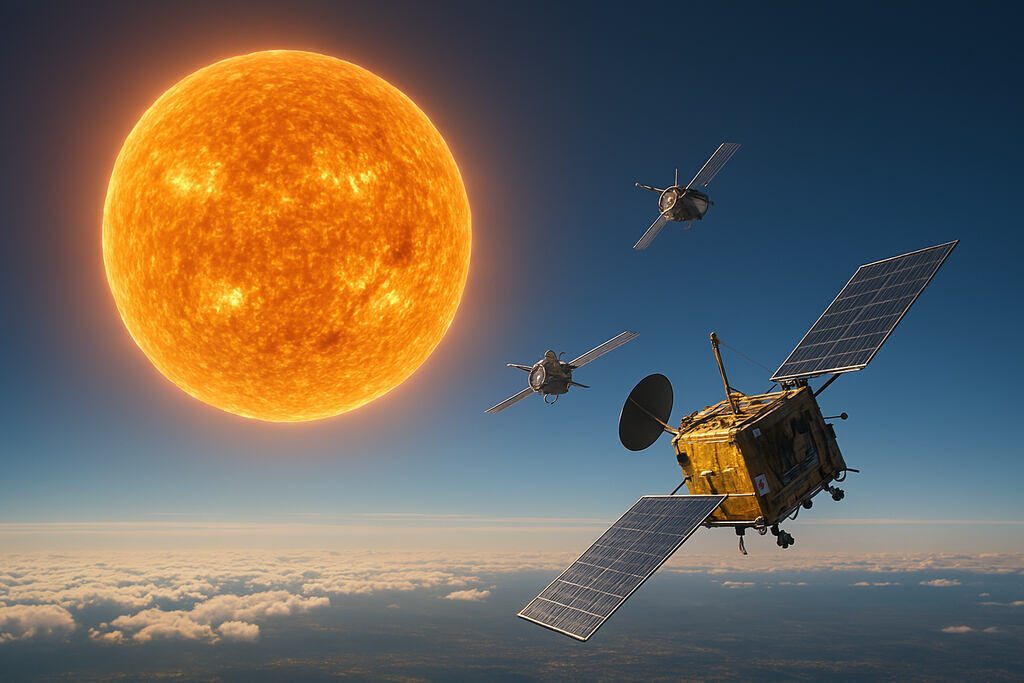
We are not blind. A fleet of spacecraft acts as our solar sentinels. NASA’s Solar Dynamics Observatory watches the Sun constantly. The ACE and DSCOVR satellites sit about a million miles upstream from Earth, directly in the solar wind.
They act as buoys before a tsunami, giving us 15 to 60 minutes of critical warning about the speed and magnetic orientation of an incoming CME. This allows grid operators, airlines, and satellite companies to take protective measures, like putting systems in safe mode.
12. Protecting Our Tech: What’s Being Done
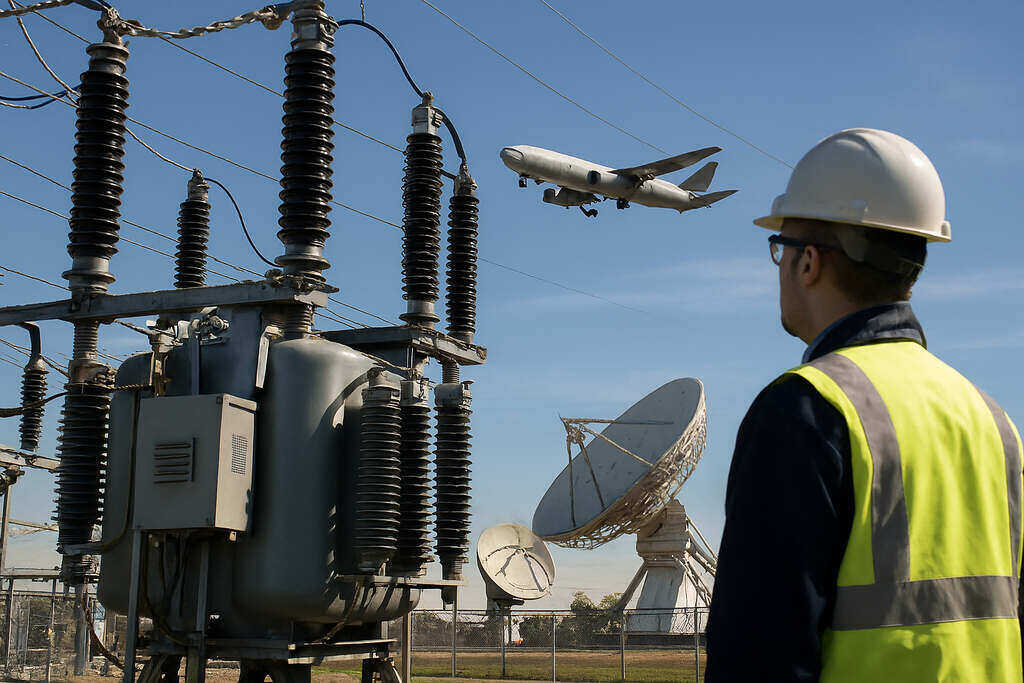
Utilities and governments are taking action. Power grid operators can implement geomagnetic disturbance protocols. This includes temporarily operating the grid in a safer, more robust mode and installing blocking devices to halt dangerous GICs.
Satellite operators can put spacecraft into “safe haven” mode, shielding sensitive electronics. Airlines reroute polar flights during storms to avoid radiation exposure for passengers and crew. These mitigation steps, guided by forecasts from the NOAA Space Weather Prediction Center, are our practical shields.
13. Should You Personally Worry?

For your personal safety, the risk is extremely low. The atmosphere protects us from harmful radiation. The real risk is to the technological infrastructure we depend on. Your personal preparation is the same as for any major, long-duration power outage: having a supply of water, non-perishable food, medications, and a battery-powered radio. The goal isn’t fear, but sensible awareness. Understanding the phenomenon helps you interpret news accurately and make smart decisions if a major storm is forecast.
14. The Bigger Picture: The Sun’s Cycle and Our Future
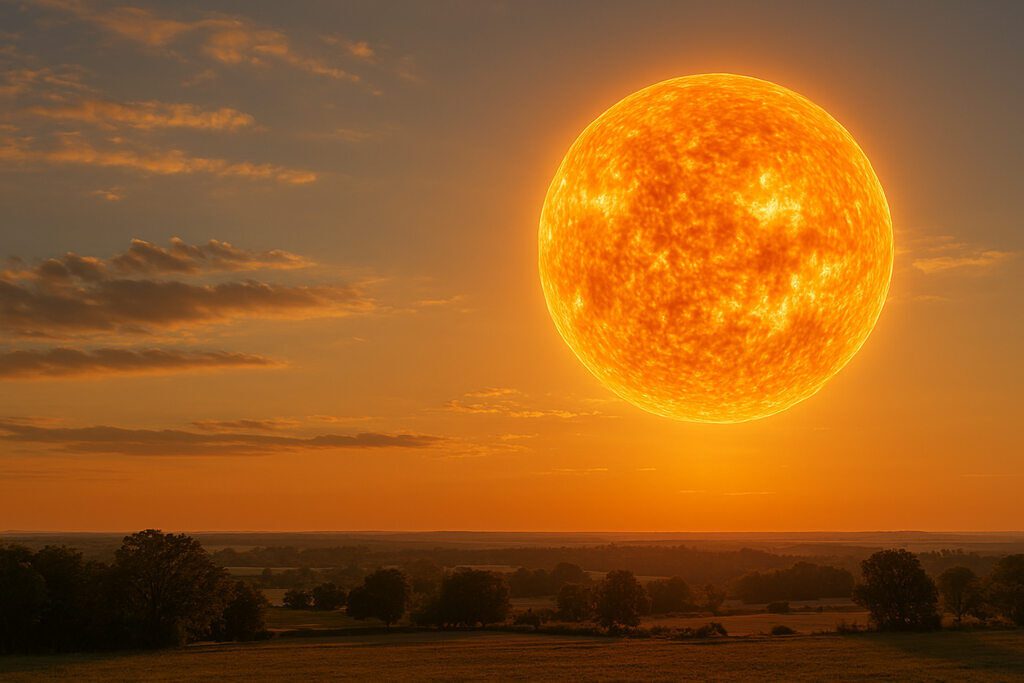
The Sun follows an 11-year cycle of high and low activity. We are currently approaching the Solar Maximum of Cycle 25, expected around 2025, meaning more frequent flares and CMEs. This is a period of heightened risk—and opportunity.
Each storm we observe and manage improves our forecasting models and hardening strategies. As we become more technologically advanced, our vulnerability increases, but so does our capability to predict and protect. It’s an ongoing race between the Sun’s power and our preparedness.
15. Conclusion: A Call for Awareness, Not Alarm

Space weather is a powerful reminder that we live in a dynamic solar system. The threat is real, but panic is not the answer. The story is one of remarkable human ingenuity—from understanding the science to building a global early-warning network.
By respecting the Sun’s power and proactively strengthening our technological shields, we can navigate this challenge. Let this knowledge empower you. Look up at the aurora with wonder, but also support investments in resilient infrastructure. Together, we can ensure that when the next big storm comes, our lights stay on and our world stays connected.