
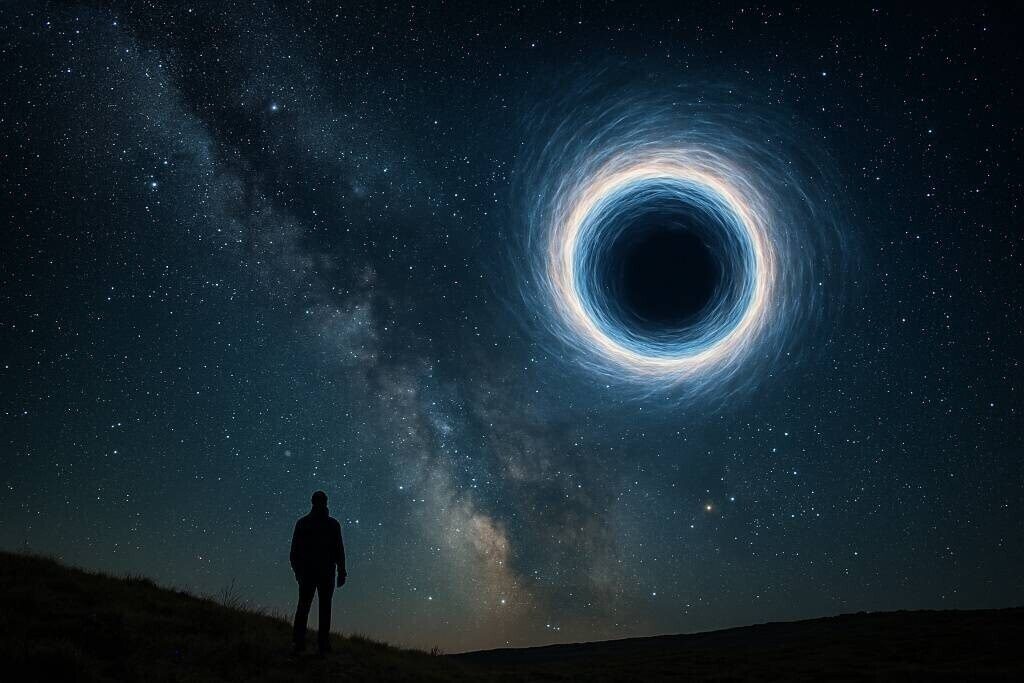
Looking up at the stars, the vast distance feels like a prison. The nearest star, Proxima Centauri, is over four light-years away. With today’s rockets, that’s a 70,000-year journey. But what if there was a shortcut? A cosmic tunnel connecting two distant points in space—a wormhole.
It sounds like pure science fiction, and in many ways, it still is. Yet, the idea springs from Einstein’s own equations of gravity. Could these hypothetical bridges ever be more than a theorist’s dream? Could they solve the ultimate problem of interstellar travel? Let’s explore the thrilling, daunting, and mind-bending reality.
1. What is a Wormhole? The Cosmic Shortcut
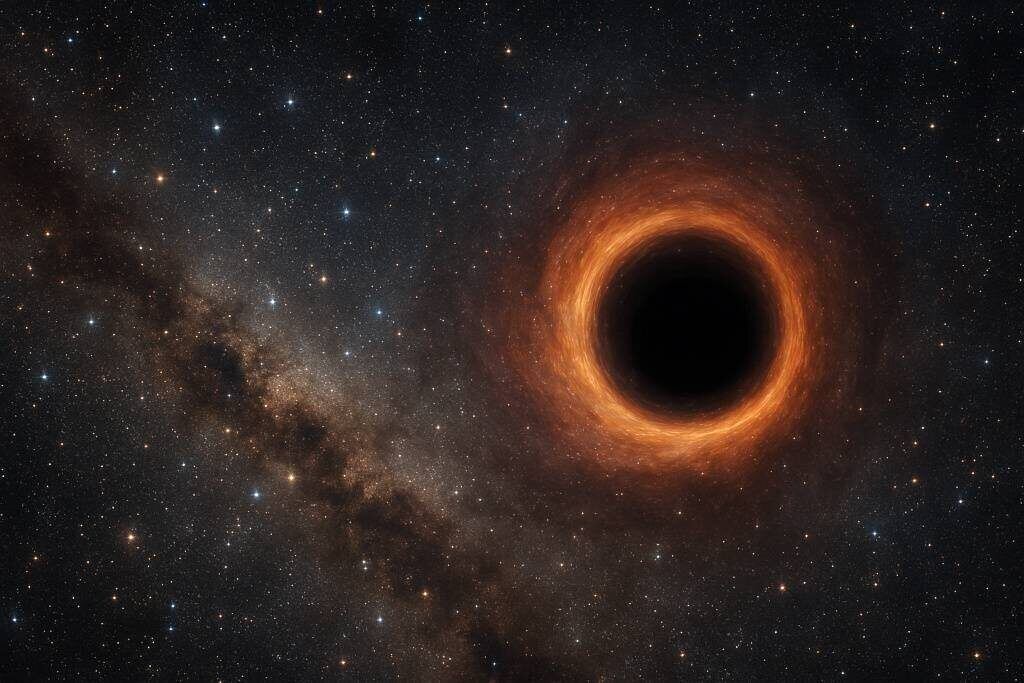
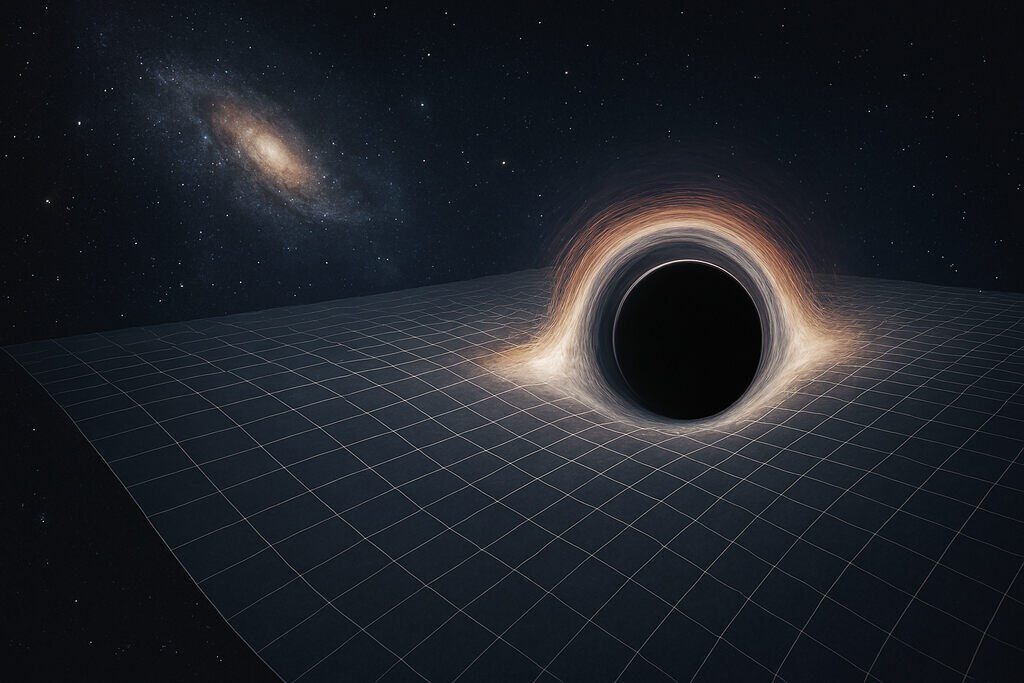
Imagine the universe is a giant, stretched-out sheet of paper. To get from point A to point B on the sheet, you travel across the surface. That’s normal space travel. A wormhole is like folding the paper so points A and B touch, then poking a pencil through to create a tunnel.
This “Einstein-Rosen bridge” creates a shortcut through the fabric of spacetime itself. In theory, it could connect places billions of light-years apart, or even different times. While they are mathematically possible within Einstein’s theory of General Relativity, no one has ever seen one.
2. The Science Behind the Idea: It’s Not Just Magic
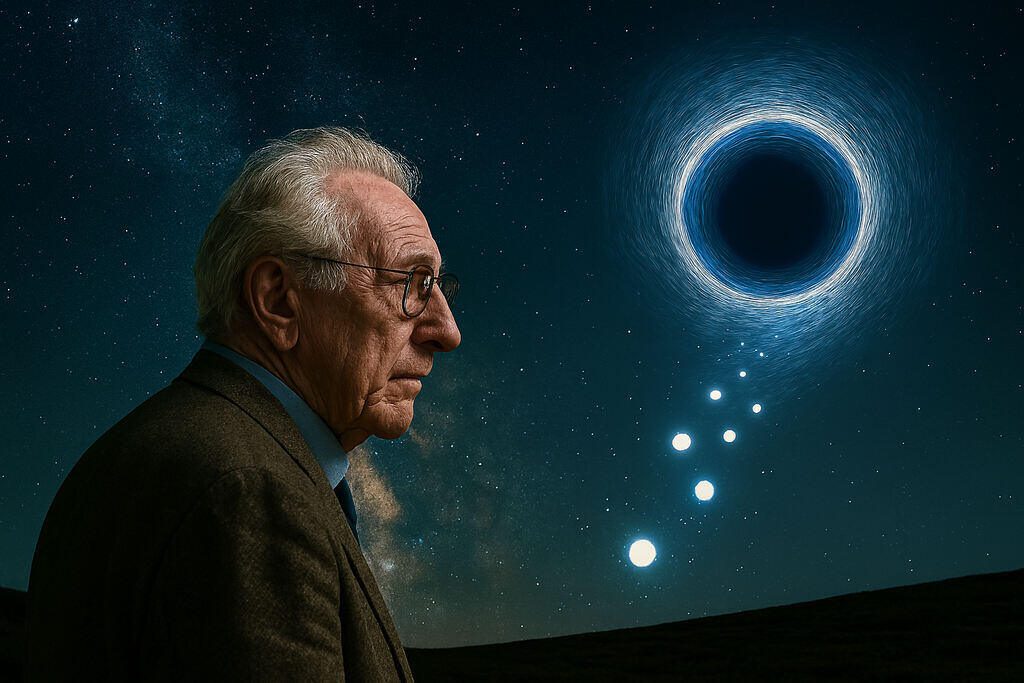
Wormholes aren’t invented by novelists; they are serious (if speculative) physics. In 1935, physicists Albert Einstein and Nathan Rosen found that their equations for gravity allowed for “bridges” connecting different points in spacetime. Think of it this way: if gravity can warp space (like a bowling ball on a trampoline), could it warp it so severely that it pinches together and connects? The math says maybe. This gives the concept a foundation in real science, separating it from fantasy. It shows that the universe’s rulebook might permit shortcuts, even if it doesn’t guarantee they exist.
3. The Stability Problem: Why They’d Collapse Instantly
Here’s the first major catch. The wormholes allowed by Einstein’s equations are unstable. They would snap shut the instant anything—even a single photon of light—tried to pass through. Picture a tunnel made of soap film that instantly pops.
To stay open long enough for travel, the tunnel would need to be propped open by something with negative energy density, often called “exotic matter.” This isn’t just rare material; it’s matter with properties that defy our everyday physics, like having negative gravity that repels rather than attracts. Whether this can exist is a huge question.
4. The “Exotic Matter” Requirement: The Mythical Fuel
To hold a wormhole open, you’d need this “exotic matter.” What is it? We’re not sure. In a lab, we can create tiny, quantum-scale effects that resemble negative energy (like the Casimir effect), but nowhere near the astronomical amounts needed for a traversable wormhole.
It would require manipulating the fundamental energy of space itself. Without a revolutionary discovery of a substance that acts like antigravity on a cosmic scale, the wormhole remains a mathematical fantasy. This is the primary practical barrier between the equations and an actual stargate.
5. Engineering a Wormhole: A Task for Gods

Assume we somehow find exotic matter. The engineering challenge is beyond comprehension. First, you’d likely need to locate a natural, microscopic wormhole (if any exist). Then, you’d have to pump it with exotic matter to inflate it to a usable size—potentially large enough for a spacecraft.
The energy requirements could dwarf the total output of a star. You’re not just building a structure; you’re manipulating the very geometry of the universe. It’s a project that makes building a Dyson Sphere seem like a simple carpentry job.
6. Navigating the Tunnel: Would It Even Be Safe?
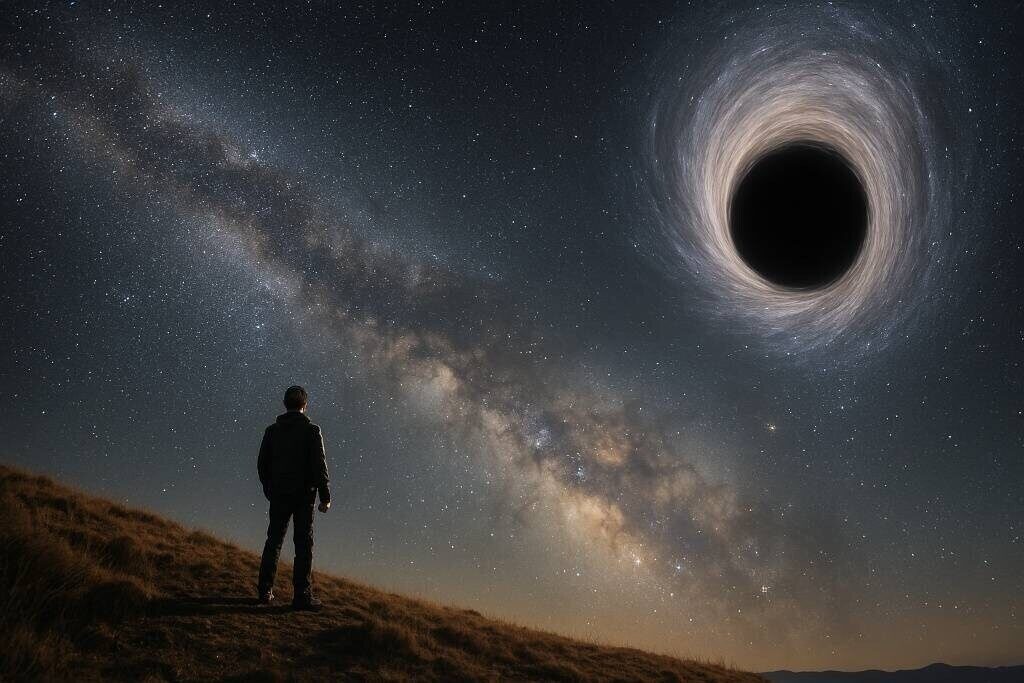
Let’s say you built it. Stepping in is another gamble. The center of the wormhole (the “throat”) is a point of extreme gravitational stress. Would exotic matter perfectly counteract this, creating a smooth passage? Or would tidal forces stretch and spaghettify any traveler?
Furthermore, the radiation environment inside could be lethal. Even a slight instability could cause the tunnel to collapse during transit, or worse, send you to the wrong exit—or time. It’s the ultimate “bridge out” scenario, with no tow truck in the universe to come find you.
7. Time Travel Paradoxes: The Ultimate Can of Worms
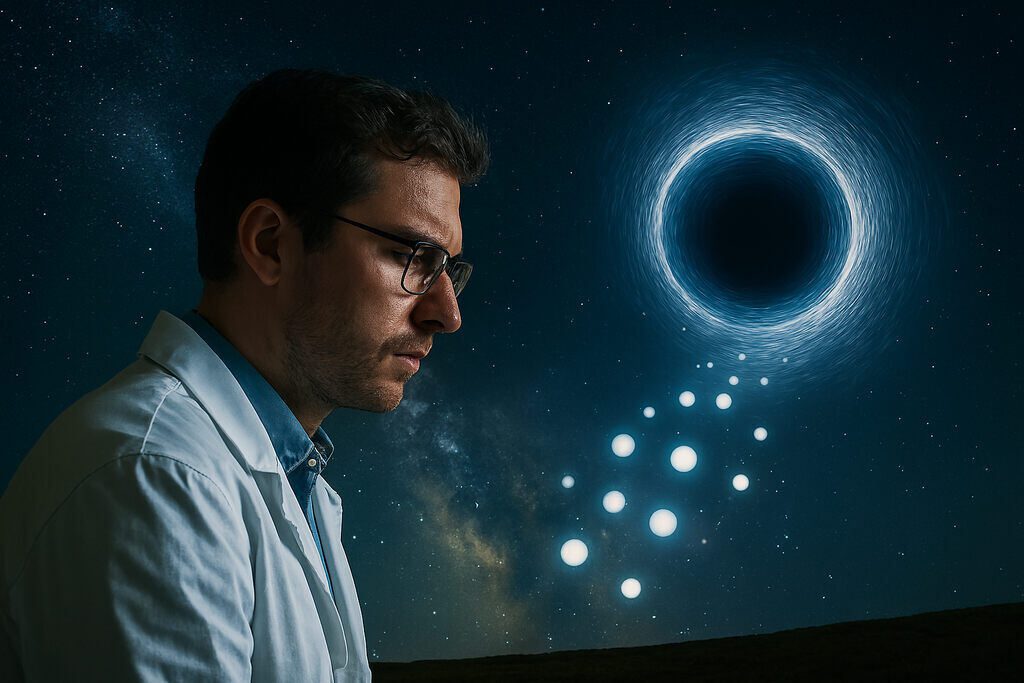
Wormholes don’t just connect places; according to the math, they can connect times. If one end of the wormhole is moved at near-light speed (time dilation) or placed near a strong gravitational field, time would pass differently at each end. This could make one end an entrance to the past relative to the other.
This immediately introduces famous paradoxes, like the “grandfather paradox.” Could you go back and prevent your own birth? Physics abhors such logical inconsistencies, suggesting nature might have laws (yet unknown) that prevent this, making traversable wormholes impossible.
8. Cosmic Censorship: Would Nature Allow It?
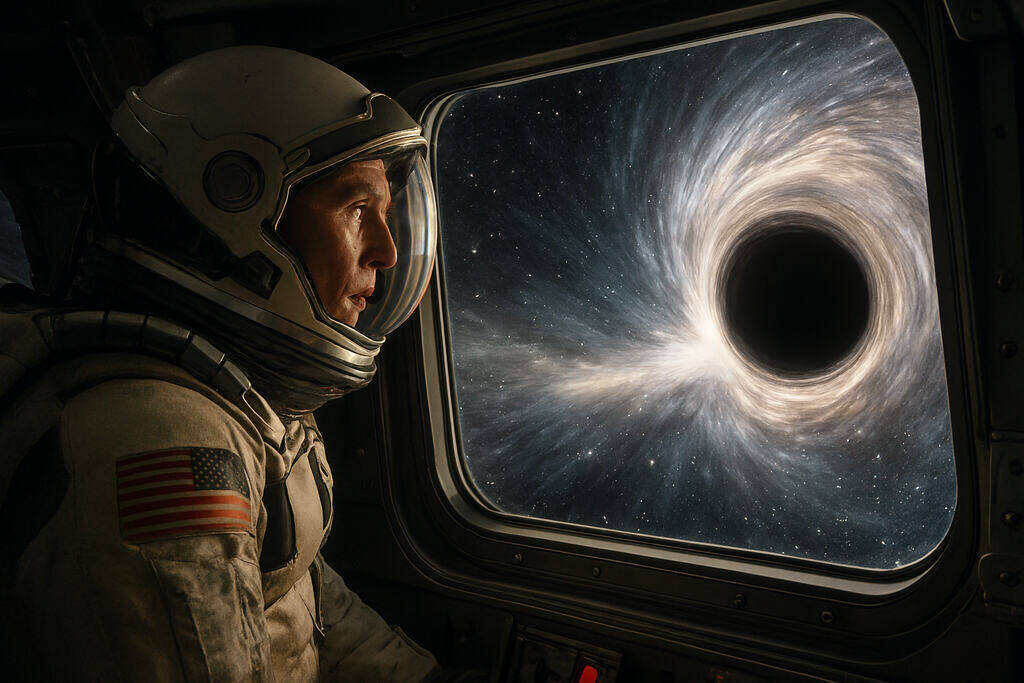
Many theoretical physicists believe in the “Cosmic Censorship Hypothesis.” It suggests that nature fundamentally hides singularities (infinitely dense points) behind event horizons, like the one around a black hole. A traversable wormhole’s throat is a type of “naked singularity”—a point of infinite warping not hidden by an event horizon.
The hypothesis argues that nature forbids such things, as they break predictability. If true, the universe’s laws are programmed to “crash” before allowing a wormhole to become stable and usable, acting as a built-in firewall against shortcuts.
9. The Energy Problem: A Staggering Price Tag
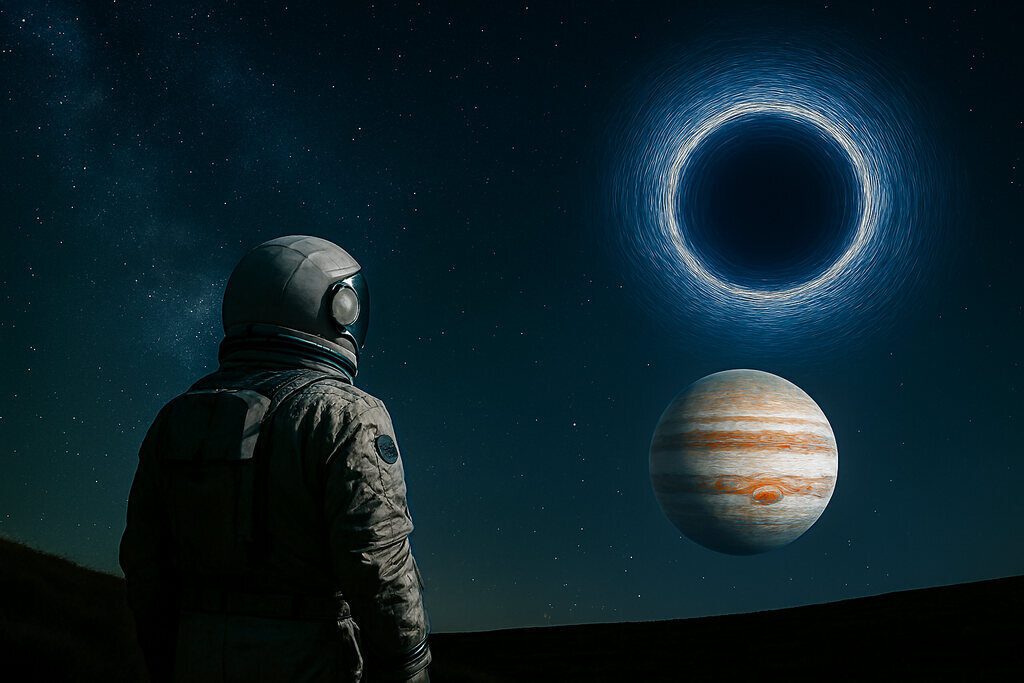
The energy scale is astronomical. Some estimates suggest stabilizing a one-meter-wide wormhole throat might require the negative energy equivalent of the mass of Jupiter. Concentrating that much exotic energy in one place might itself distort space catastrophically. Compare this to our entire planetary energy output.
It’s like needing the combined GDP of every nation for a billion years to buy a single cup of coffee. The price tag isn’t just high; it’s physically absurd with any technology we can conceive of today, putting it firmly in the realm of Type III (galactic) civilization capabilities.
10. Where Would They Lead? An Uncharted Map
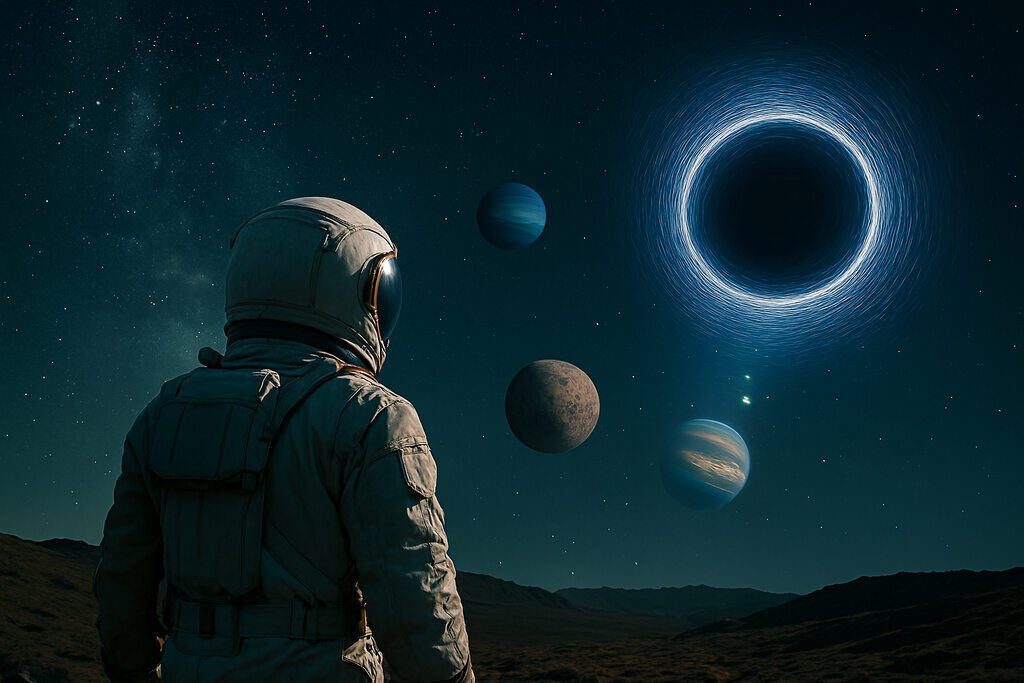
Assuming you built it, how do you steer? You don’t just “aim” a wormhole at Proxima Centauri. You have to move one of its mouths there first. That means traveling the old-fashioned, slow way to your destination at sub-light speed, towing or constructing the wormhole mouth. Only then do you have a shortcut.
So, wormholes aren’t for initial exploration; they’re for building a permanent transit network after you’ve already explored and colonized the galaxy. They are a tool for building an empire, not for discovering one.
11. The Science We’re Learning Now: Baby Steps
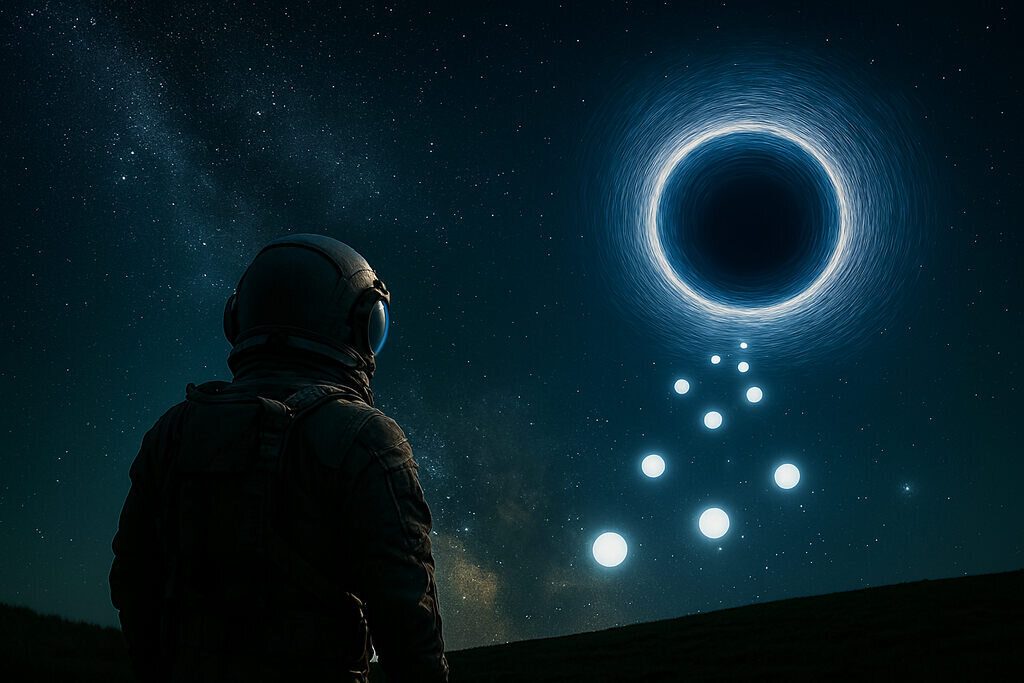
While we can’t build wormholes, studying them pushes our understanding of quantum gravity—the quest to unite Einstein’s relativity with quantum mechanics. Research into exotic matter is related to understanding dark energy, the mysterious force accelerating the universe’s expansion.
Experiments with quantum entanglement (often wrongly called “spooky action at a distance”) explore non-local connections. These aren’t wormholes, but they teach us how the universe might be wired in strange, non-intuitive ways, keeping the dream alive in theoretical labs.
12. A Comparative Look: Wormholes vs. Generation Ships
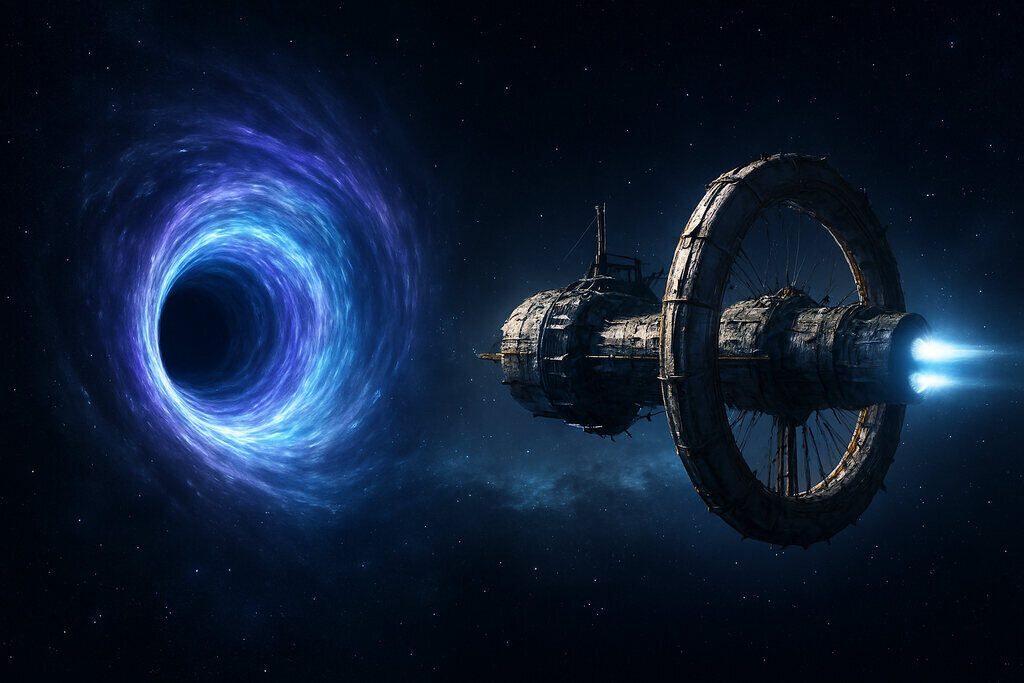
Given the immense hurdles, how do wormholes compare to a more “conventional” interstellar solution: giant generation ships? Generation ships are a massive but purely engineering challenge, using known physics. They would be slow, taking centuries, but they are theoretically buildable with sustained effort.
Wormholes require multiple physics revolutions first. For the foreseeable future, generation ships or advanced propulsion (like nuclear fusion) are the more plausible, if less glamorous, paths to the stars. Wormholes remain the “if we ever master the universe” option.
13. Could They Exist Naturally? A Cosmic Fossil Hunt
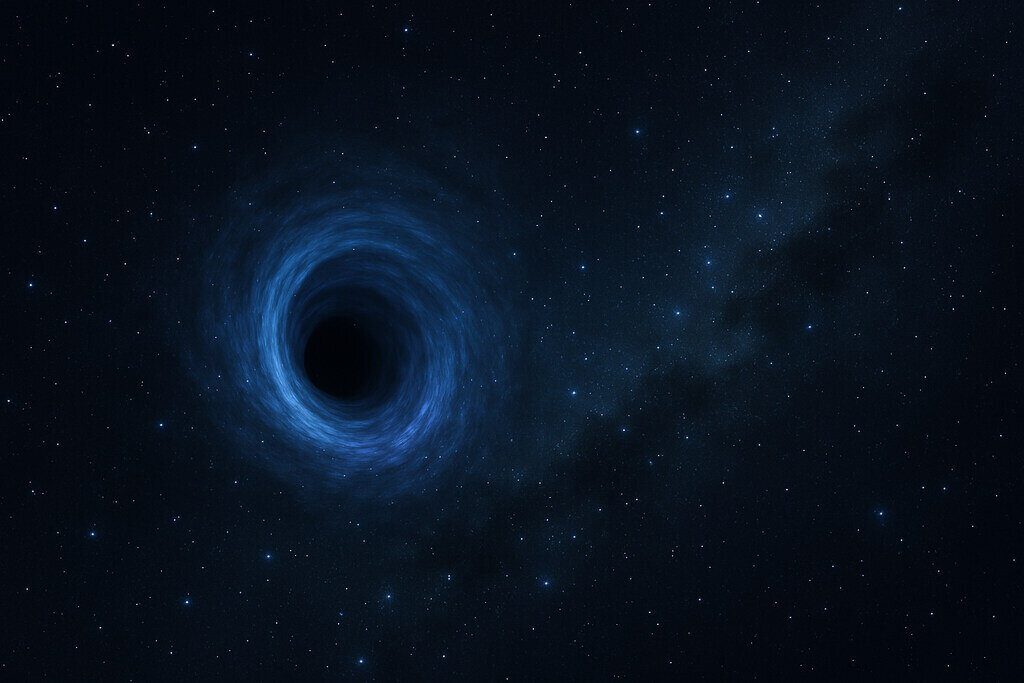
Some theories suggest microscopic wormholes might have been created in the extreme frenzy of the Big Bang and could still be floating around, woven into the fabric of spacetime. If we could detect one—perhaps by its gravitational influence on light or particles—it would be a Nobel Prize-winning discovery.
However, finding something potentially smaller than an atom is a needle-in-a-haystack problem on a universal scale. Even if found, a natural wormhole would almost certainly be unstable and unusable for travel without major technological intervention.
14. The Role in Our Imagination: Why We Care
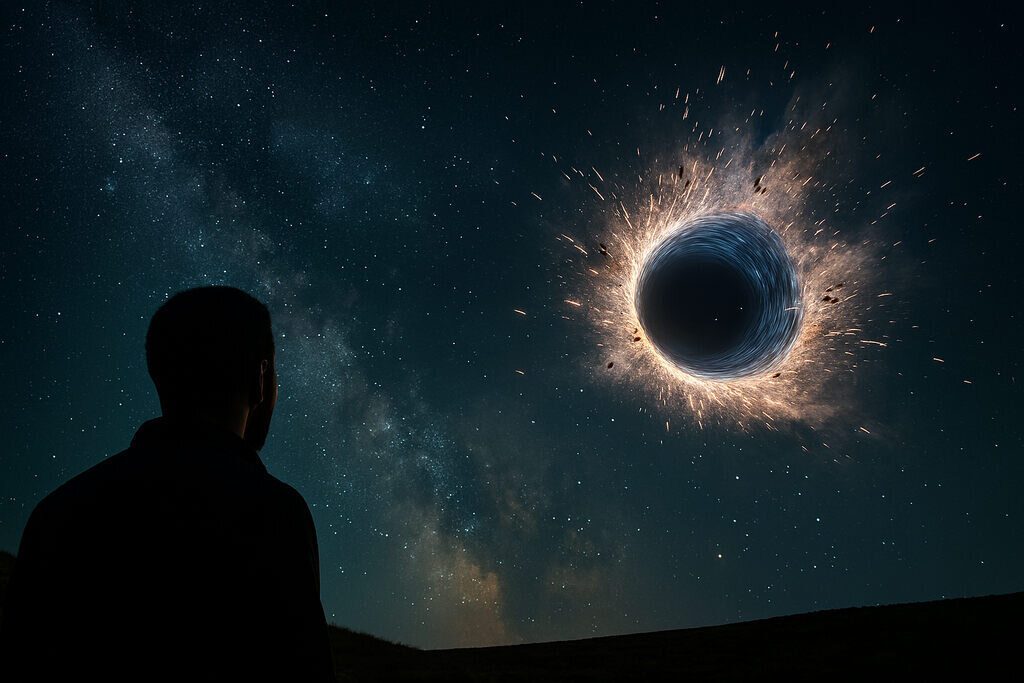
Photo Credit: Generated by Microsoft Copilot
Wormholes capture our imagination because they speak to a deep human desire: to overcome limits. They represent the hope that the universe contains secret passages, that vast distances are an illusion to be cleverly bypassed. In science fiction, from Interstellar to Stargate, they enable stories of adventure and connection. They inspire young minds to study physics and ask “what if?” This cultural and inspirational value is real and powerful, driving curiosity even if the physical object remains elusive.
15. Conclusion: Dreaming the Possible
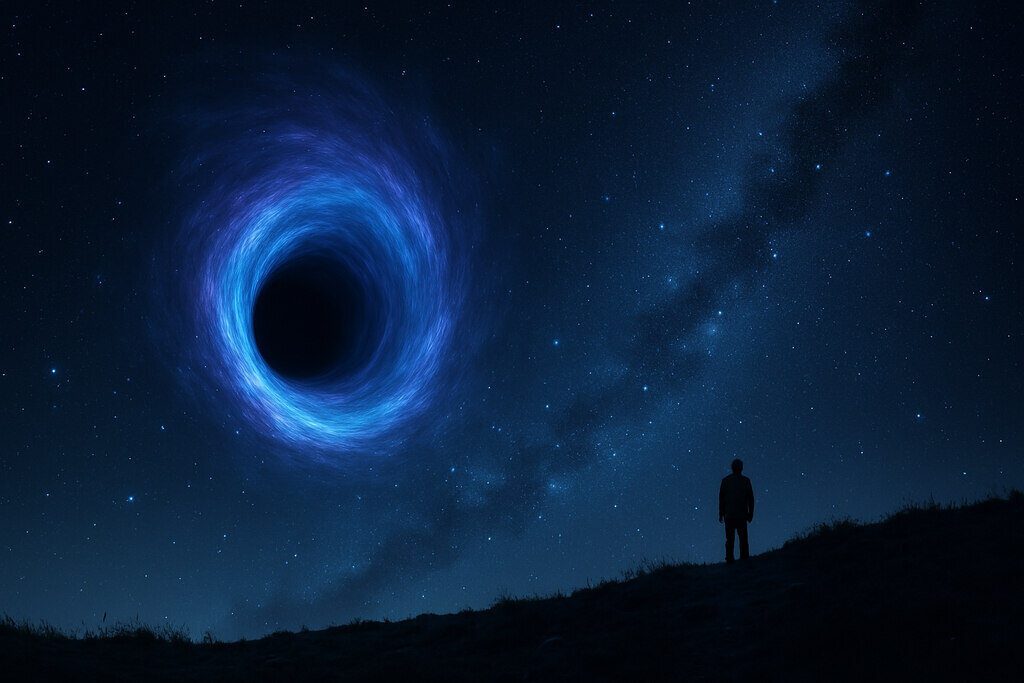
So, can wormholes solve interstellar travel? Not with our understanding, and likely not for millennia, if ever. The challenges are fundamental, not just technical. But the pursuit is far from worthless. By asking these extreme questions, we stretch the boundaries of physics.
We learn more about gravity, spacetime, and the universe’s deepest rules. The dream of a shortcut pushes us to become a more curious, patient, and ambitious species. For now, the stars will be reached by long, courageous journeys. But by daring to imagine wormholes, we keep alive the hope that one day, the universe might just reveal a friendlier map. Keep dreaming.