

Nutrition myths have long been perpetuated through word of mouth, sensational headlines, and even outdated scientific studies. As a result, many people continue to follow nutrition advice that is not only unproven but can also be harmful to their health. Doctors and nutrition experts have spoken out about these misconceptions, urging people to reevaluate their eating habits. In this article, we’ll explore 15 common nutrition myths that doctors want you to stop believing.
1. Carbs Make You Gain Weight

Carbohydrates are often blamed for weight gain, but not all carbs are created equal. Refined carbs in sugary snacks and processed foods can lead to weight gain, while complex carbs found in whole grains, vegetables, and fruits offer essential nutrients and fiber.
Fiber helps regulate digestion, keeps you fuller longer, and prevents overeating. The key is choosing the right carbs, like oats, quinoa, and vegetables, while limiting refined carbs like sugary drinks and white bread. Moderation, not elimination, is the key to enjoying carbs without weight gain.
2. Fat-Free Foods Are Healthier
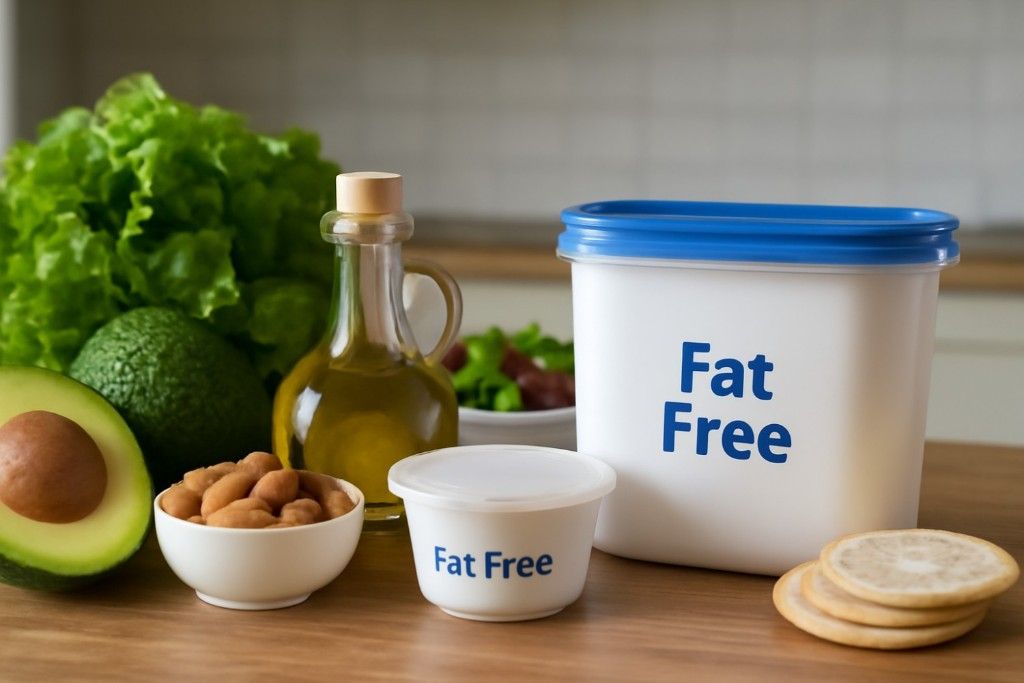
Many assume that fat-free foods are automatically healthier, but this isn’t always true. Fat-free products often replace fats with added sugars or artificial additives to improve taste and texture. This can lead to excess calorie intake, which may contribute to weight gain.
Healthy fats, such as those in avocados, nuts, and olive oil, are essential for heart health and brain function. Instead of obsessing over fat content, focus on the overall quality of the food. Choose nutrient-dense options with healthy fats that support long-term health, rather than fat-free products that may offer little nutritional value.
3. Detox Diets Cleanse Your Body

Detox diets claim to remove toxins, but your liver and kidneys already do this job naturally. Extreme detox programs can deprive your body of essential nutrients and may lead to deficiencies or other health issues. A well-balanced diet, rich in fruits, vegetables, whole grains, and lean proteins, supports your body’s detoxification systems.
Drinking plenty of water, getting enough sleep, and exercising regularly can also aid the body’s natural cleansing processes. Focus on long-term healthy habits, rather than short-term cleanses, to maintain optimal health without unnecessary restrictions.
4. All Sugars Are the Same

Not all sugars are created equal. While refined sugars in processed foods and sugary drinks can contribute to weight gain and health issues, the sugars found in fruits and vegetables come with important nutrients, including fiber, vitamins, and antioxidants. Fiber in whole fruits and vegetables slows sugar absorption and prevents blood sugar spikes.
The real concern is added sugars in processed products. It’s crucial to limit processed sugars and focus on consuming natural sugars from nutrient-rich, whole foods. A balanced diet should include a variety of whole fruits and vegetables to support overall health.
5. You Should Avoid Gluten for Better Health

Gluten-free diets are trendy, but unless you have celiac disease or a gluten sensitivity, there’s no need to avoid gluten. Whole grains that contain gluten, such as wheat, barley, and rye, are rich in fiber, iron, and other essential nutrients.
Many gluten-free products are highly processed and lack the nutritional value found in whole grains. Gluten-free diets can be restrictive and lead to nutrient imbalances. If you don’t have a medical reason to avoid gluten, include whole grains in your diet to ensure you’re getting fiber and essential nutrients for overall health.
6. Eating Late at Night Causes Weight Gain

Eating late at night doesn’t inherently cause weight gain. The real issue is the quality and quantity of food consumed, not the timing. If late-night eating leads to overeating or poor food choices, it could contribute to weight gain.
However, a balanced, moderate snack before bed, like yogurt or a handful of nuts, can be part of a healthy eating routine. It’s more important to maintain a consistent eating schedule throughout the day and focus on healthy portion sizes. The timing of meals, while important for digestion, is not the main factor in weight management.
7. Organic Food Is Always Healthier
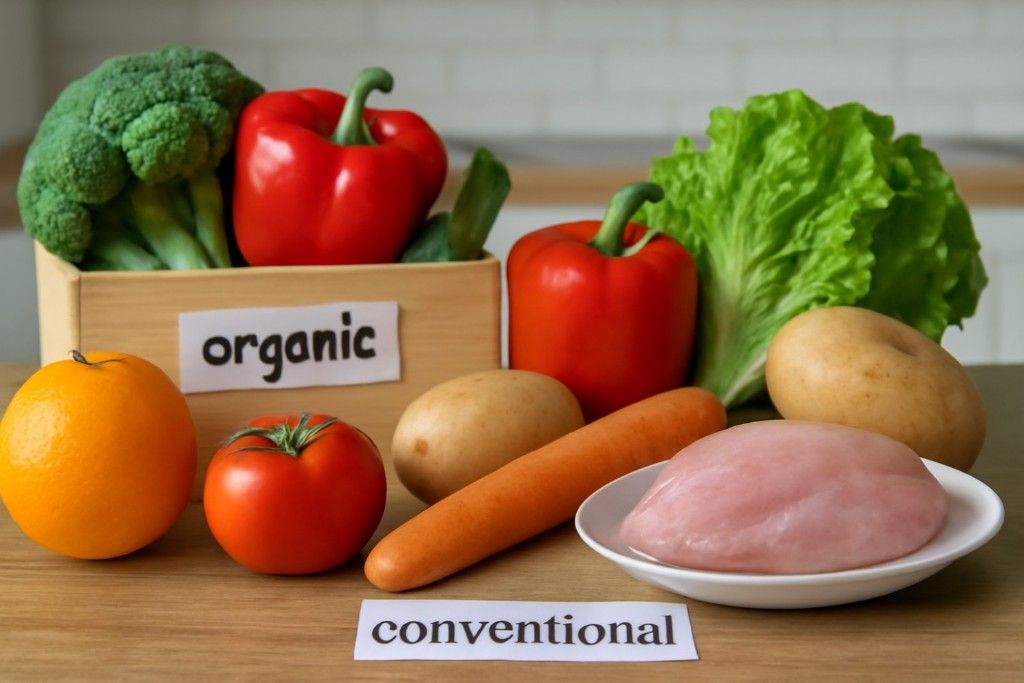
While organic foods may offer benefits like reduced pesticide exposure, they aren’t necessarily healthier. Nutritionally, organic and conventional foods are quite similar, with only minor differences in certain nutrient levels. What matters more is the variety and quality of foods you eat.
A diet rich in diverse fruits, vegetables, whole grains, and lean proteins is essential for overall health, regardless of whether the food is organic. If organic options are available and affordable, they can be a good choice, but they shouldn’t be prioritized over a balanced, nutrient-dense diet.
8. Eating More Protein Will Build More Muscle

Protein is essential for muscle growth and repair, but consuming excessive amounts won’t necessarily lead to more muscle. The body can only utilize a certain amount of protein at a time, and any excess is either stored as fat or excreted.
For most people, meeting the recommended daily protein intake is enough to support muscle growth, especially when combined with strength training. The key to muscle building is not just protein intake but also an overall balanced diet, including healthy fats, carbs, and adequate rest to support your workouts and recovery.
9. You Must Drink 8 Glasses of Water a Day

The “8 glasses a day” guideline is outdated and doesn’t apply to everyone. Water needs vary based on factors like body size, climate, and activity level. Instead of focusing on a fixed amount, listen to your body’s thirst cues and drink when you’re thirsty.
Water is also present in many foods, such as fruits, vegetables, and soups, which can contribute to your hydration. If you’re active or in a hot climate, you may need more water, while others might need less. It’s about balance, not a specific number of glasses.
10. Low-Fat Dairy Is Always Better
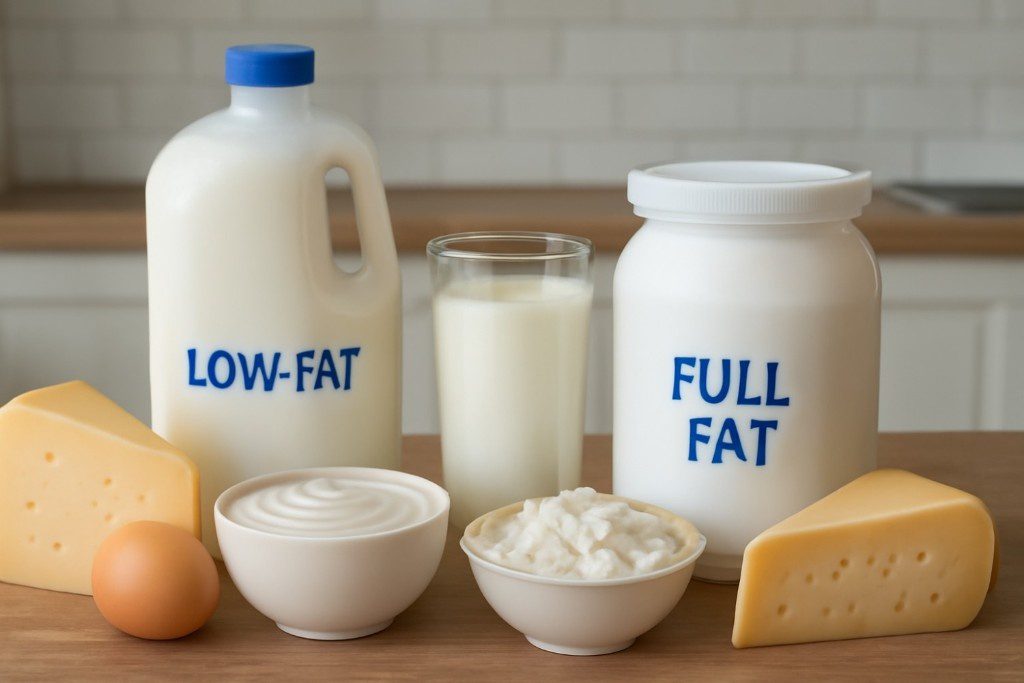
Low-fat dairy products are often marketed as healthier, but they can be misleading. Many low-fat dairy options contain added sugars or artificial sweeteners to make up for the loss of flavor due to reduced fat. Full-fat dairy, such as whole milk or yogurt, can be part of a healthy diet when consumed in moderation.
It provides healthy fats, which are important for nutrient absorption, and essential vitamins like vitamin D. Choosing dairy products that fit your personal preference and nutritional needs is more important than automatically opting for low-fat versions.
11. You Need to Count Calories to Lose Weight

While counting calories may help some individuals become more mindful of their eating habits, it isn’t essential for successful weight loss. Focusing solely on calorie counting can foster an unhealthy relationship with food and ignore other important aspects of nutrition.
Instead, prioritize eating whole, nutrient-dense foods and practicing portion control. A sustainable approach to weight management involves balanced meals, regular physical activity, and healthy lifestyle changes. Sustainable weight loss is about consistency, not obsessing over every calorie you consume.
12. All Fats Are Bad for You
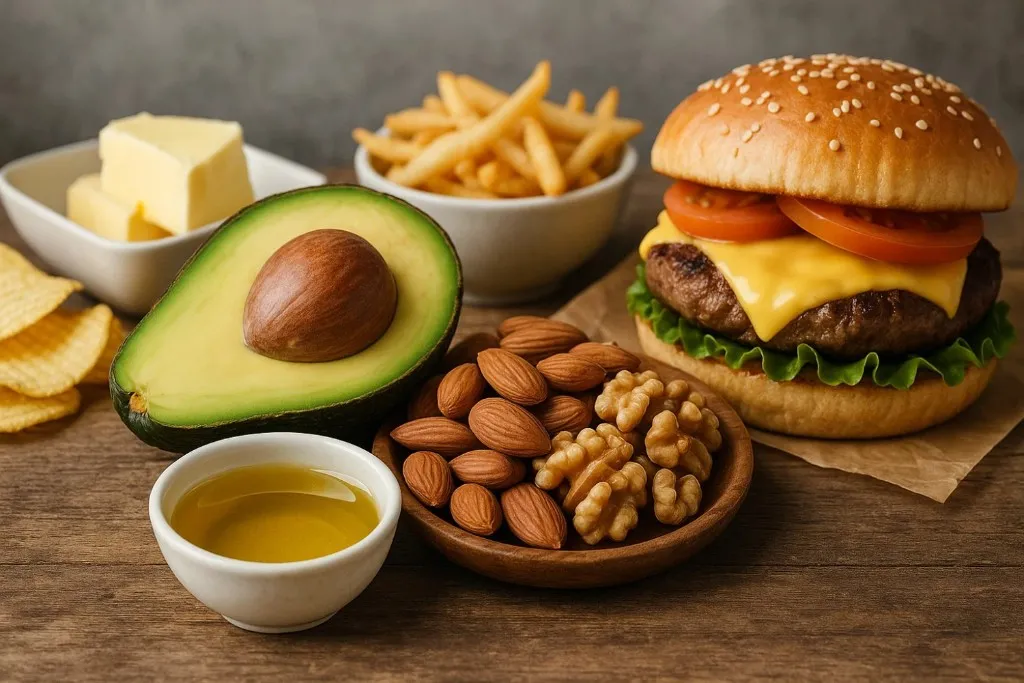
Not all fats are harmful. While trans fats and some saturated fats can raise cholesterol and increase the risk of heart disease, unsaturated fats—found in foods like avocados, nuts, and olive oil—are heart-healthy and necessary for overall health. Healthy fats support brain function, aid in nutrient absorption, and keep you feeling full longer.
It’s important to consume fats in moderation, focusing on sources of unsaturated fats. Reducing unhealthy fats and incorporating more healthy fats into your diet can improve your health without causing weight gain or other risks.
13. You Should Avoid Salt at All Costs

Salt is essential for bodily functions like fluid balance and nerve transmission. While too much salt from processed foods can raise blood pressure, eliminating salt entirely is unnecessary for most people. Instead, focus on moderating salt intake by cutting back on processed foods and seasoning your meals with herbs and spices. Most people can safely consume moderate amounts of salt as part of a balanced diet. If you have high blood pressure or other health conditions, consult a doctor about how much salt is right for you.
14. Coconut Oil Is a Miracle Food

Coconut oil is often hailed as a “superfood,” but its health benefits are frequently overstated. While it contains medium-chain triglycerides (MCTs), which may offer some benefits, it’s also high in saturated fats, which can increase cholesterol and the risk of heart disease.
Moderation is key when using coconut oil, and it’s better to choose a variety of healthy oils, such as olive oil, for cooking and dressing. Coconut oil can be used in small amounts, but it should not be considered a miracle food for overall health.
15. A “Low-Calorie” Label Means Healthy
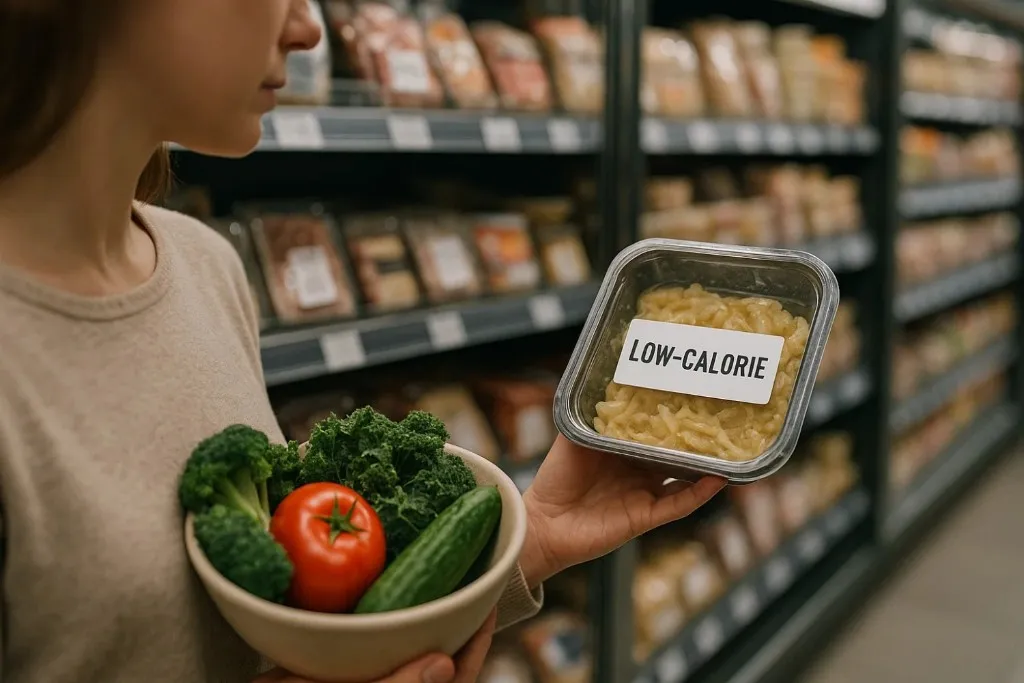
The “low-calorie” label on food packages can be misleading. Just because a product is low in calories doesn’t mean it’s healthy. Many low-calorie products are processed and contain added sugars, unhealthy fats, or artificial ingredients.
The nutritional value of a food item is far more important than its calorie count. A balanced diet rich in whole, minimally processed foods will provide better nutrition and long-term health benefits than relying on packaged, low-calorie products. Always check the full ingredient list and nutritional content, rather than trusting marketing labels.