

Zero waste living is more than just a trend; it’s a movement toward sustainable practices that aim to reduce waste and environmental impact. From reducing plastic use to rethinking our consumption habits, individuals, businesses, and communities around the world are adopting zero waste principles.
As awareness grows, many are making conscious decisions to live more sustainably, minimizing their carbon footprint while inspiring others to do the same. This global wave of sustainability is reshaping the way we think about resource use and waste management.
1. Reducing Single-Use Plastics

One of the cornerstones of zero waste living is eliminating single-use plastics, which have become ubiquitous in everyday life. From straws to packaging, plastic items are often used for mere minutes but persist in the environment for centuries.
By replacing plastic bags with reusable totes, using stainless steel or bamboo straws, and buying products with minimal packaging, individuals can make significant strides. Many cities and countries are now instituting bans or regulations on single-use plastics, which is accelerating the global transition to more sustainable alternatives like paper, glass, and biodegradable options.
2. The Role of Composting
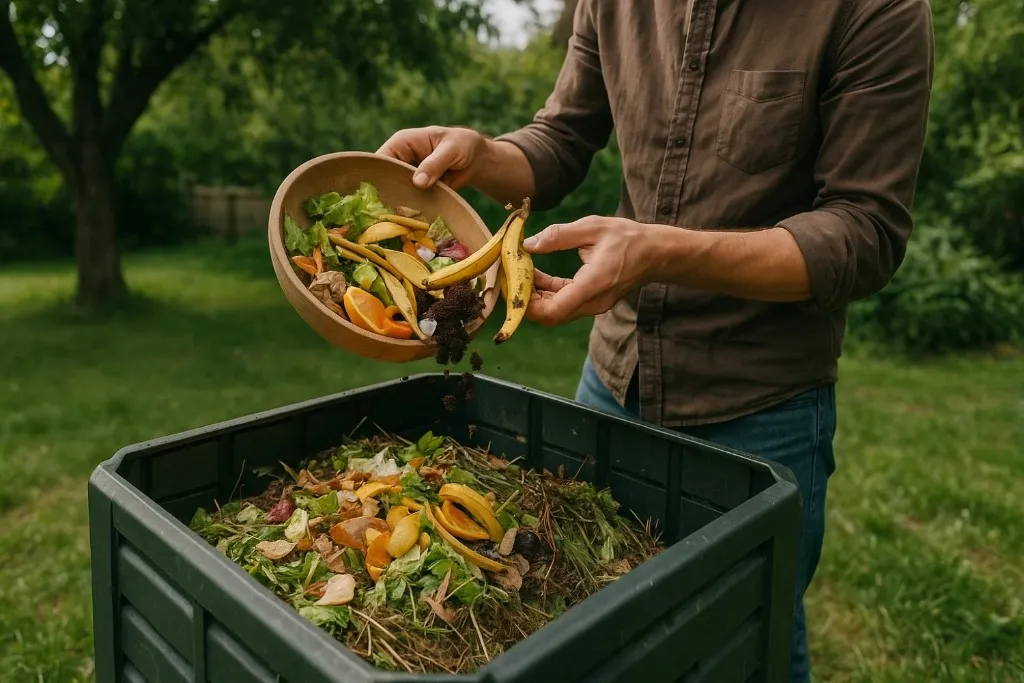
Composting is a key practice in zero waste living, diverting organic waste away from landfills and creating nutrient-rich soil. Instead of discarding food scraps, individuals can compost fruit and vegetable peels, coffee grounds, and yard waste.
This process not only reduces the volume of waste sent to landfills but also improves soil health, which is vital for sustainable agriculture. Many urban areas are now adopting community composting programs, enabling residents to contribute to waste reduction in a collective manner.
3. Circular Economy Models

A circular economy emphasizes reusing, repairing, and recycling products instead of following the traditional linear model of take-make-dispose. This shift reduces waste and conserves resources. Companies are increasingly adopting circular economy principles by designing products for longevity, such as modular electronics that can be easily repaired.
Examples include brands like Patagonia, which offers repair services for their clothing, and IKEA, which is working towards a circular model by encouraging customers to return used furniture for recycling.
4. Zero Waste Grocery Shopping

Zero waste grocery shopping involves buying food and household goods with minimal packaging and waste. This can be done by purchasing items in bulk, bringing your own containers, and shopping at stores that support waste-free practices.
Bulk stores are popping up in many cities, allowing customers to buy grains, nuts, and cleaning products without packaging. Additionally, many people are opting for farmer’s markets, where produce is often sold without plastic wrapping, ensuring a more sustainable and personal approach to food shopping.
5. Sustainable Fashion Choices
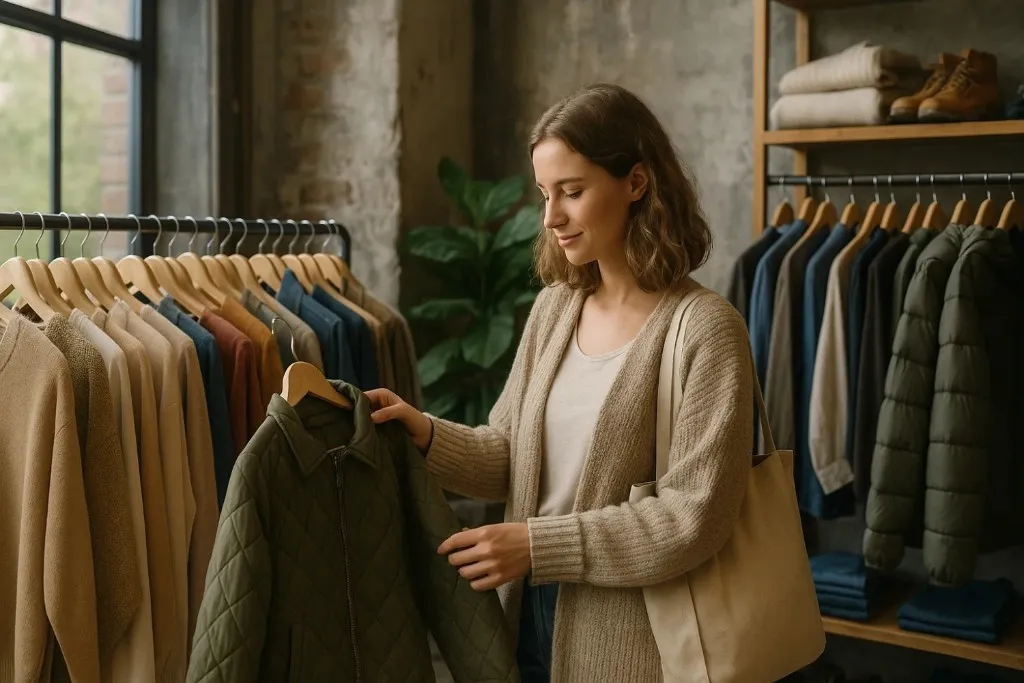
The fashion industry is notorious for its waste and environmental impact. Zero waste living encourages individuals to be mindful of their clothing purchases by choosing high-quality, durable items over fast fashion. Second-hand shopping and clothing swaps are gaining popularity as sustainable alternatives.
Brands like Stella McCartney and Patagonia have championed sustainable fashion, focusing on eco-friendly materials and ethical production processes. The rise of the “slow fashion” movement is proving that style and sustainability can coexist.
6. Digital Detox for Sustainability

While zero waste living is often associated with physical products, it also extends to the digital realm. Reducing the energy consumption of our digital devices and services can significantly lower our carbon footprint.
For example, limiting the number of devices in use, managing cloud storage to reduce unnecessary data storage, and turning off unused devices can minimize energy consumption. Streamlining our digital lives can be a small but meaningful way to practice sustainability.
7. The Impact of Upcycling

Upcycling is the process of transforming old or discarded items into something of higher value or utility. This practice not only reduces waste but also encourages creativity and innovation. For example, old furniture can be refurbished into new, functional pieces, and discarded glass jars can be repurposed as decorative storage containers. Many zero waste advocates find upcycling an effective way to contribute to sustainability while creating unique, personalized items. DIY upcycling projects are a fun and practical way to adopt a waste-free lifestyle.
8. Waste-Free Meal Planning
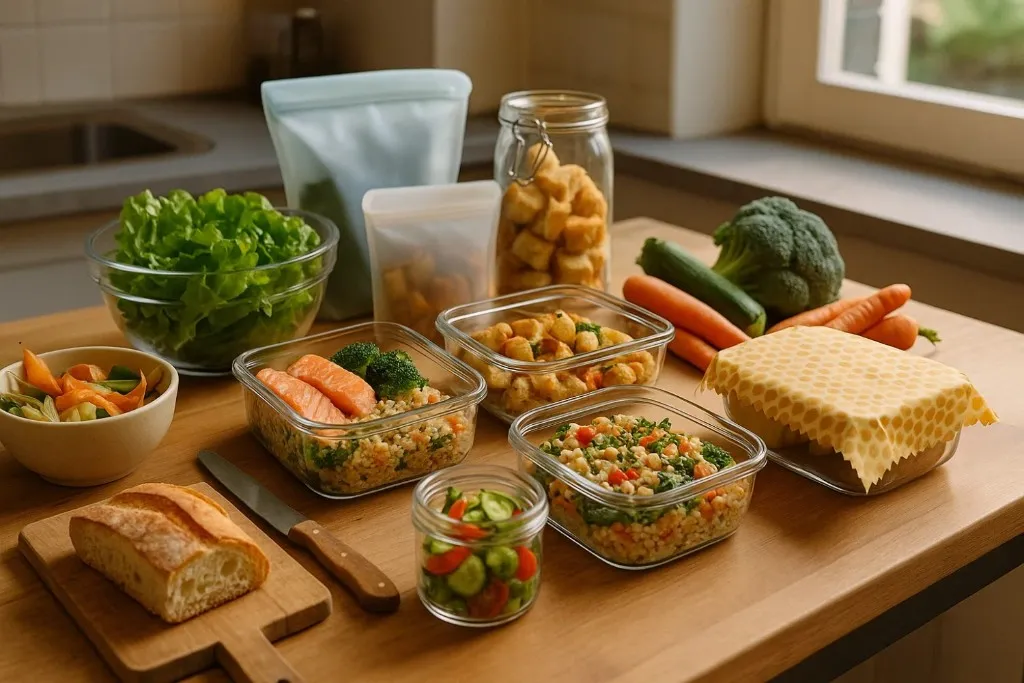
Meal planning plays a crucial role in reducing food waste. By planning meals ahead of time and buying only what’s necessary, individuals can avoid excess food waste, a major contributor to landfill overflow. Zero waste meal planning also involves using leftovers creatively, such as transforming vegetable scraps into broth or using yesterday’s bread for croutons. Investing in reusable food storage options, such as beeswax wraps or silicone bags, further ensures that food stays fresh while minimizing waste.
9. Green Energy Alternatives

A key component of sustainable living is shifting to renewable energy sources. Zero waste living doesn’t just focus on physical waste; it also addresses the environmental impact of energy use. By installing solar panels or subscribing to green energy programs, individuals and businesses can significantly reduce their reliance on fossil fuels. Energy efficiency, like using LED bulbs and energy-efficient appliances, also plays an important role in minimizing energy consumption, leading to a more sustainable and eco-conscious lifestyle.
10. Conscious Consumption and Minimalism

At the heart of zero waste living lies the idea of conscious consumption—buying only what you truly need and avoiding unnecessary items. This philosophy overlaps with minimalism, where individuals choose quality over quantity.
Embracing a minimalist lifestyle reduces waste by encouraging the purchase of durable, long-lasting products that serve multiple purposes. Rather than accumulating possessions, zero waste advocates prioritize experiences and relationships, reducing material clutter and promoting emotional well-being.
11. Zero Waste Packaging Alternatives

The quest for zero waste also extends to packaging. Many companies are moving toward more sustainable packaging solutions, using materials like biodegradable plastic or cardboard instead of traditional plastic. Some businesses are even adopting a returnable packaging model, where customers can send back containers for reuse.
In addition, innovations such as edible packaging and plant-based wraps are gaining traction as environmentally friendly alternatives to plastic. The global trend of eliminating packaging waste is pushing industries to reconsider their practices and adopt greener solutions.
12. Sustainable Transportation Choices

Transportation accounts for a significant portion of global carbon emissions, making sustainable travel practices essential for zero waste living. Choosing eco-friendly modes of transport, such as biking, walking, carpooling, or using public transit, reduces carbon footprints.
Electric vehicles (EVs) are also growing in popularity, offering a cleaner alternative to traditional gas-powered cars. In cities, car-sharing programs and ride-hailing services help reduce the number of privately owned vehicles, which can ease traffic congestion and decrease emissions.
13. Zero Waste Home Products

Home products, from cleaning supplies to personal care items, can be sources of excessive waste. Zero waste living encourages individuals to switch to eco-friendly alternatives. For example, using reusable cleaning cloths instead of disposable paper towels, and opting for bar soaps or refillable shampoo bottles, can drastically cut down on waste. Many zero waste advocates also make their own cleaning products using simple ingredients like vinegar and baking soda. By reducing reliance on single-use items, we can create a more sustainable home environment.
14. Educating Future Generations

A sustainable future relies heavily on educating younger generations about the importance of zero waste living. Schools and community groups are increasingly incorporating sustainability into their curricula, teaching children the value of reusing, recycling, and making mindful choices.
Additionally, family-oriented programs are encouraging parents and children alike to participate in eco-friendly activities, from gardening to waste reduction challenges. By nurturing an understanding of environmental responsibility, we can create a culture of sustainability for the generations to come.
15. Advocacy and Policy Change

While individual actions are important, systemic change is crucial for a global shift toward sustainability. Advocating for zero waste policies at the local, national, and international levels can help push governments and industries to adopt stricter regulations on waste management, resource conservation, and pollution control.
Many grassroots movements and non-profit organizations are working to raise awareness and influence policy changes, proving that collective action can drive significant improvements in waste reduction efforts worldwide.