
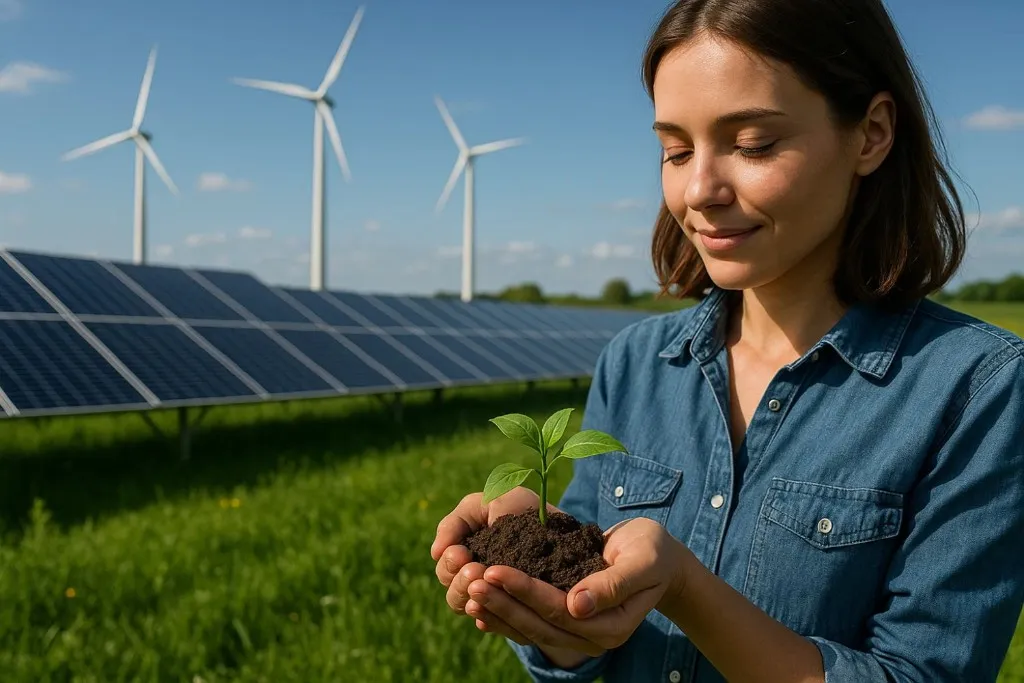
The urgent need to address climate change and environmental degradation has driven remarkable advancements in eco-innovations. From cutting-edge technologies to creative sustainability solutions, these innovations aim to minimize our ecological footprint while improving everyday life.
With the world facing unprecedented environmental challenges, the role of eco-innovations in shaping a sustainable future has never been more critical. Below, we explore 13 groundbreaking eco-innovations that are driving positive change and offering a glimpse into a greener tomorrow.
1. Solar-Powered Smart Homes

Solar energy continues to revolutionize residential energy consumption, with smart homes being a perfect example of its potential. These homes use solar panels to generate clean energy, paired with smart systems that optimize energy usage. Solar-powered smart homes reduce reliance on traditional energy grids, leading to lower electricity bills and a reduced carbon footprint.
Innovative designs, such as solar roofs from companies like Tesla, integrate seamlessly into the home’s structure, offering a sleek and sustainable solution for modern living. This eco-innovation is not only environmentally friendly but also enhances energy independence.
2. Electric Vehicles (EVs)

The shift from internal combustion engines to electric vehicles is one of the most impactful eco-innovations in the automotive industry. EVs offer zero-emission alternatives to traditional vehicles, helping to curb pollution and reliance on fossil fuels.
Companies like Tesla, Riviana, and traditional automakers such as Ford and GM are pushing the boundaries of EV technology with longer battery life, faster charging, and expanded range. Additionally, the development of charging infrastructure and government incentives are accelerating the adoption of EVs, paving the way for a cleaner transportation future.
3. Vertical Farming
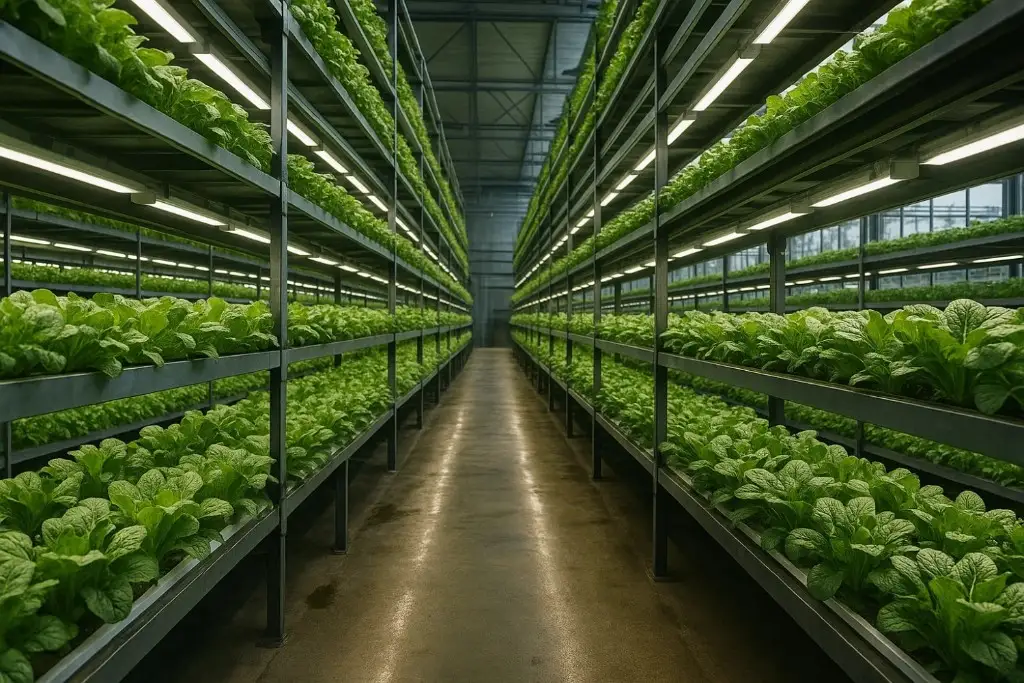
As urbanization continues, traditional agriculture struggles to meet the growing demand for food in cities. Vertical farming is a game-changer, allowing crops to be grown in stacked layers or vertically inclined surfaces, often in indoor environments.
This method uses significantly less water, reduces the need for pesticides, and can be implemented in urban settings where land is limited. Leading examples, like Aero Farms and Plenty, are making it possible to grow fresh, local produce year-round while minimizing transportation emissions and the environmental impact of traditional farming practices.
4. Biodegradable Packaging

Traditional plastic packaging is one of the biggest contributors to global waste, often taking hundreds of years to decompose. Biodegradable packaging offers an eco-friendly alternative, breaking down naturally without harming the environment.
Made from plant-based materials such as cornstarch, mushroom fibers, or seaweed, these packaging solutions are gaining traction in industries like food and beverage. Companies like Evoware are already using seaweed-based packaging that dissolves in water, showcasing how innovation can tackle waste and reduce plastic pollution effectively.
5. Renewable Energy Storage Solutions

The challenge of storing energy generated from renewable sources like solar and wind has long hindered their widespread adoption. However, advances in energy storage solutions, such as lithium-ion batteries and new technologies like solid-state batteries, are paving the way for a sustainable energy future.
Companies like Tesla are developing massive storage systems, such as the Powerwall, which store excess energy for later use, allowing for consistent power supply even when renewable generation is low. These innovations help stabilize grids and ensure reliable access to green energy.
6. Green Building Materials

The construction industry is responsible for a significant portion of global greenhouse gas emissions, largely due to the use of non-sustainable building materials. Green building materials, including recycled steel, bamboo, and sustainable concrete, are helping to reduce the environmental impact of new structures.
Innovations such as carbon-negative concrete, which absorbs more carbon than it emits, are transforming the way we approach building design. Companies like Concrete Technology Corporation are pioneering the development of these materials, enabling more eco-friendly construction practices in both residential and commercial projects.
7. Water Purification from Air
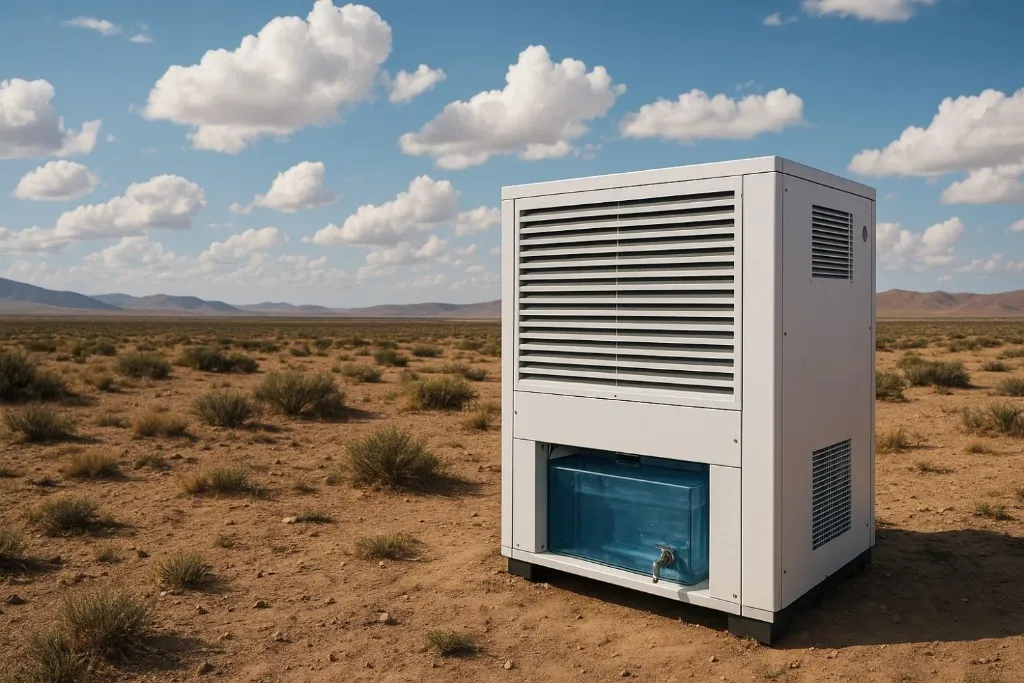
Access to clean drinking water remains a critical issue in many parts of the world. Eco-innovations in water purification are helping to solve this problem, with technologies that extract water directly from the air. Atmospheric water generators (AWGs) capture moisture from the air and convert it into fresh, drinkable water.
Companies like Watergen are leading the way with compact and energy-efficient systems that can provide clean water in even the most arid environments, offering a sustainable solution to the global water crisis.
8. Sustainable Textiles

The fashion industry is notorious for its environmental impact, from water-intensive cotton farming to synthetic fibers that don’t biodegrade. Sustainable textiles are emerging as an innovative solution, with materials like organic cotton, hemp, and recycled polyester leading the charge.
Companies like Patagonia and Stella McCartney are at the forefront of producing eco-friendly clothing, with biodegradable fabrics and zero-waste manufacturing practices. These textiles aim to reduce waste, water usage, and chemical pollution, offering a more responsible approach to fashion.
9. Carbon Capture and Storage (CCS)
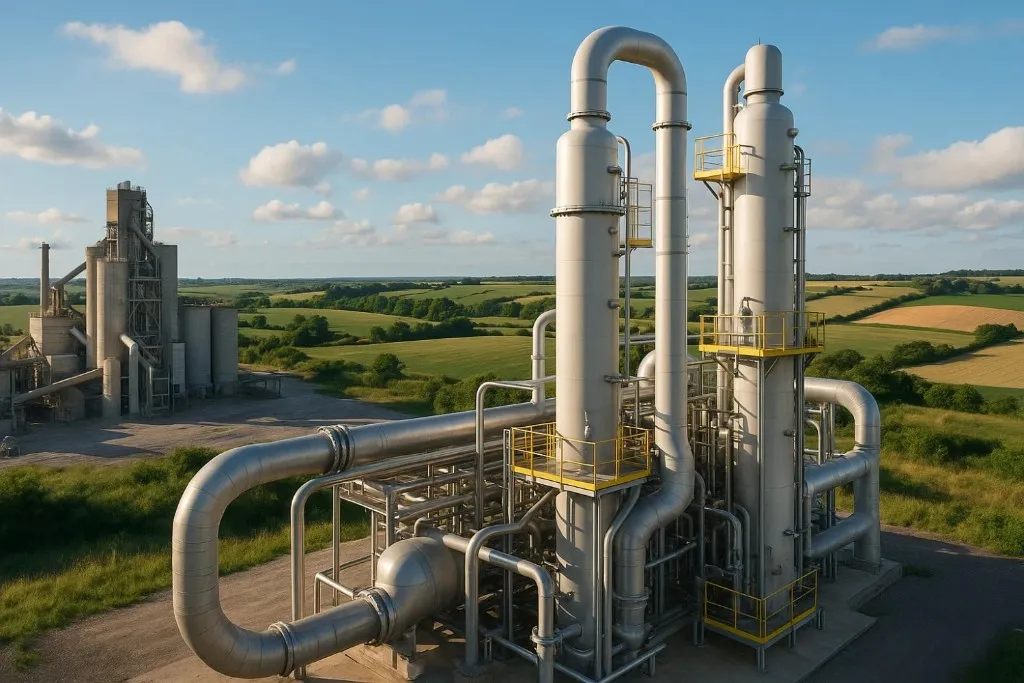
Carbon capture and storage (CCS) technologies are designed to capture carbon dioxide emissions from industrial processes and store them underground, preventing them from entering the atmosphere. This eco-innovation is critical in efforts to combat climate change, particularly in industries that are hard to decarbonize, like cement production and steelmaking.
Companies like Carbon Clean are developing advanced CCS solutions that can be retrofitted to existing plants, while others are exploring new methods of utilizing captured carbon, such as turning it into useful products like synthetic fuels.
10. Plant-Based Meat Alternatives

The environmental impact of animal agriculture, particularly in terms of land use, water consumption, and greenhouse gas emissions, has spurred the development of plant-based meat alternatives. These innovations mimic the taste, texture, and nutritional profile of traditional meat but with far less environmental impact.
Companies like Beyond Meat and Impossible Foods have revolutionized the food industry with plant-based burgers and sausages that are now found in mainstream supermarkets and fast-food chains. These innovations offer a sustainable alternative to meat consumption while addressing concerns about animal welfare.
11. Eco-Friendly Refrigerants

Traditional refrigerants used in air conditioning and refrigeration systems are potent greenhouse gases, contributing significantly to global warming. Eco-friendly refrigerants, such as hydrofluoroolefins (HFOs) and ammonia-based systems, offer low global warming potential and are being adopted as safer alternatives.
These innovations are being implemented across industries, from commercial refrigeration to automotive air conditioning systems, offering a greener approach to cooling. Companies like Chemours are at the forefront of developing these environmentally friendly refrigerants, helping to reduce the carbon footprint of refrigeration systems worldwide.
12. Eco-Conscious Consumer Electronics

The demand for electronics continues to grow, but so does the environmental impact of e-waste. Eco-conscious consumer electronics are designed to be more sustainable, featuring recyclable materials, energy-efficient components, and extended product lifespans. Companies like Fairphone and Apple are leading the charge by incorporating modular designs and using responsibly sourced materials.
Innovations like biodegradable circuit boards and sustainable packaging are helping to minimize the ecological footprint of these products, encouraging responsible consumption and reducing the amount of electronic waste that ends up in landfills.
13. Urban Green Spaces

As cities expand, maintaining green spaces becomes increasingly important for both environmental and public health reasons. Urban green spaces, such as parks, green roofs, and community gardens, provide numerous benefits, including improved air quality, reduced urban heat island effects, and enhanced mental well-being.
Innovations in urban planning are making it easier to integrate nature into cities, with examples like Singapore’s Gardens by the Bay and New York’s High Line. These green spaces not only enhance biodiversity but also promote sustainable urban living.