
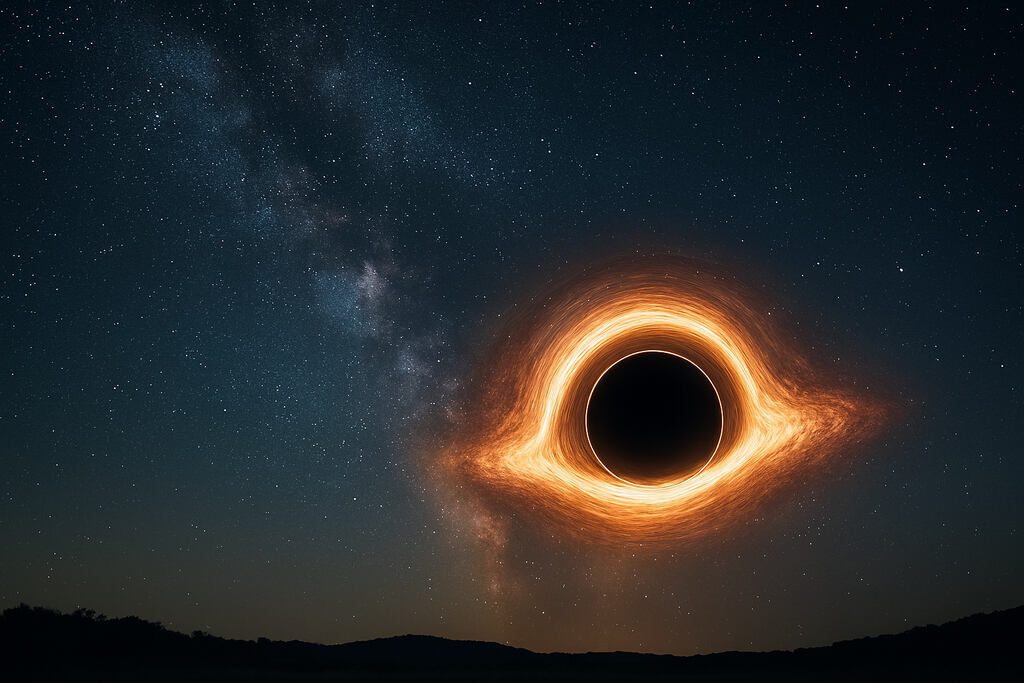
Have you ever looked up at the night sky and wondered if there’s more out there than we can see? Black holes, those mysterious giants that swallow everything nearby, might hold the answer. Some scientists think black holes could be more than just cosmic traps—they might even create new universes.
Imagine every black hole as a doorway, leading to a fresh reality with its own stars, planets, and maybe even life. It’s a mind-bending thought, but exploring it helps us understand our place in the cosmos. Let’s dive into this fascinating idea together.
1. What Is a Black Hole?
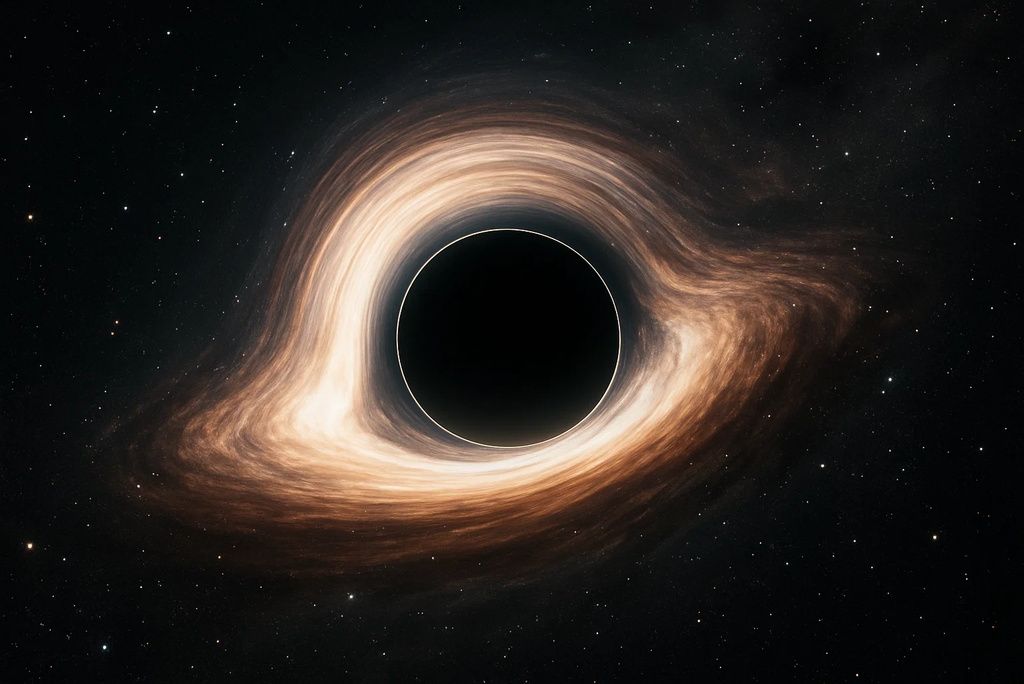
A black hole is a region in space where gravity is so strong that nothing—not even light—can escape. Think of it like a cosmic vacuum cleaner, pulling in everything nearby. Black holes form when massive stars collapse under their own weight after running out of fuel. The result is a dense core with unimaginable gravity.
To picture it, imagine stuffing Earth into a marble—its gravity would be overwhelming. Black holes aren’t just destructive; they’re also essential to the universe’s balance. They shape galaxies, influence star formation, and challenge our understanding of physics. Without them, the universe would look very different.
2. The Event Horizon
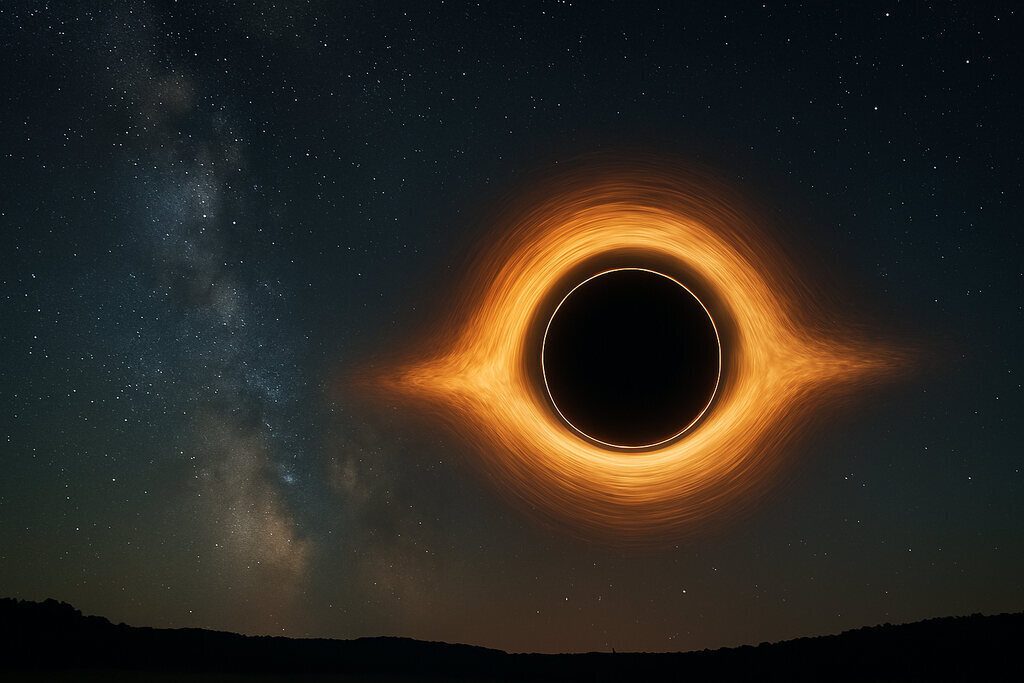
The event horizon is the “point of no return” around a black hole. Once something crosses it, escape becomes impossible. Imagine standing at the edge of a waterfall—once you step too close, you’re swept over. Similarly, anything crossing the event horizon is pulled inward forever. For scientists, this boundary is fascinating because it hides the unknown.
What happens inside remains a mystery, since no information can escape. Studying the event horizon helps us test Einstein’s theories and explore quantum mechanics. It’s like nature’s ultimate locked door, tempting us to peek inside but never letting us return.
3. The Singularity

At the heart of a black hole lies the singularity—a point where matter is crushed to infinite density. Physics as we know it breaks down here. Imagine compressing a skyscraper into a grain of sand; that’s the kind of density we’re talking about. The singularity challenges our understanding of space and time.
Some scientists believe it could connect to other universes or dimensions. Others think it’s simply a limit of our current knowledge. Either way, the singularity is the most mysterious part of a black hole, and unlocking its secrets could change science forever.
4. Black Holes as Gateways
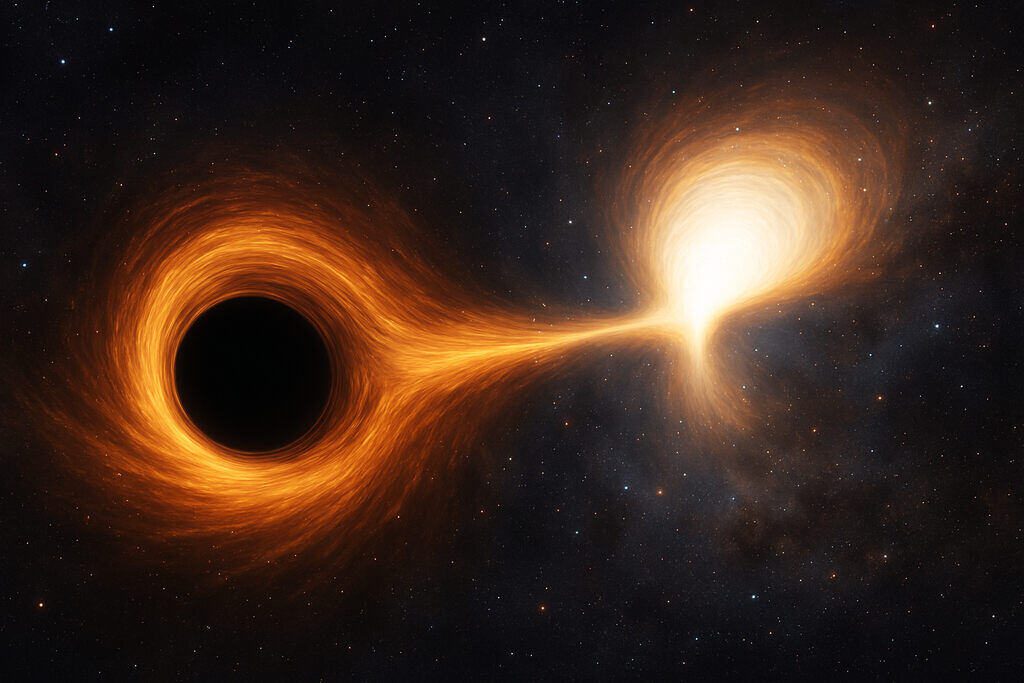
One theory suggests black holes might act as gateways to new universes. Instead of being cosmic dead ends, they could lead to “white holes”—regions that expel matter and energy. Imagine walking through a door and finding yourself in a completely new world.
This idea excites scientists because it offers a possible explanation for how universes could multiply. While we don’t yet have proof, the concept inspires new ways of thinking about space, time, and creation. It’s like imagining every black hole as a seed, planting new realities beyond our reach.
5. Lee Smolin’s Theory
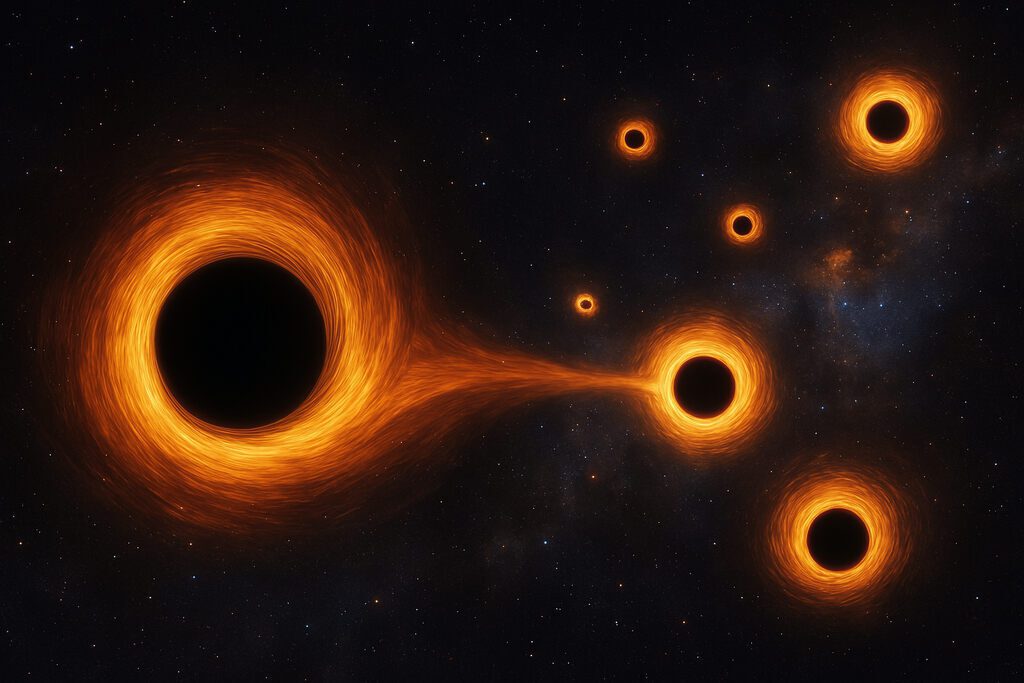
Physicist Lee Smolin proposed a bold idea: black holes might give birth to new universes. He compared it to cosmic “natural selection.” Universes with more black holes would produce more offspring universes, each with slightly different physical laws. Over time, universes that favor black hole formation would dominate.
It’s a fascinating way to think about why our universe has the laws it does. Smolin’s theory isn’t proven, but it encourages us to see black holes not just as destructive forces, but as creative ones. It’s science at its most imaginative, blending physics with evolutionary ideas.
6. White Holes Explained
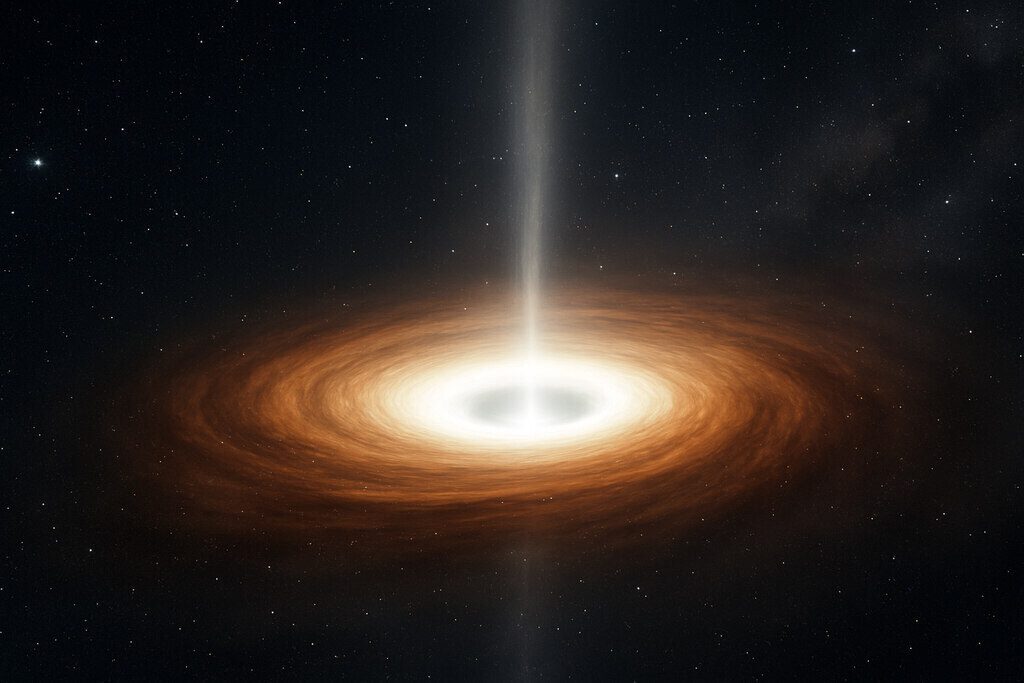
White holes are the opposite of black holes. Instead of sucking matter in, they spit it out. Some scientists think black holes could eventually transform into white holes. Imagine a recycling system: matter falls into a black hole, then reappears elsewhere through a white hole. If true, this could mean black holes don’t just destroy—they recycle the universe’s building blocks. White holes remain theoretical, but they offer a hopeful twist: endings might also be beginnings.
7. Quantum Mechanics and Black Holes
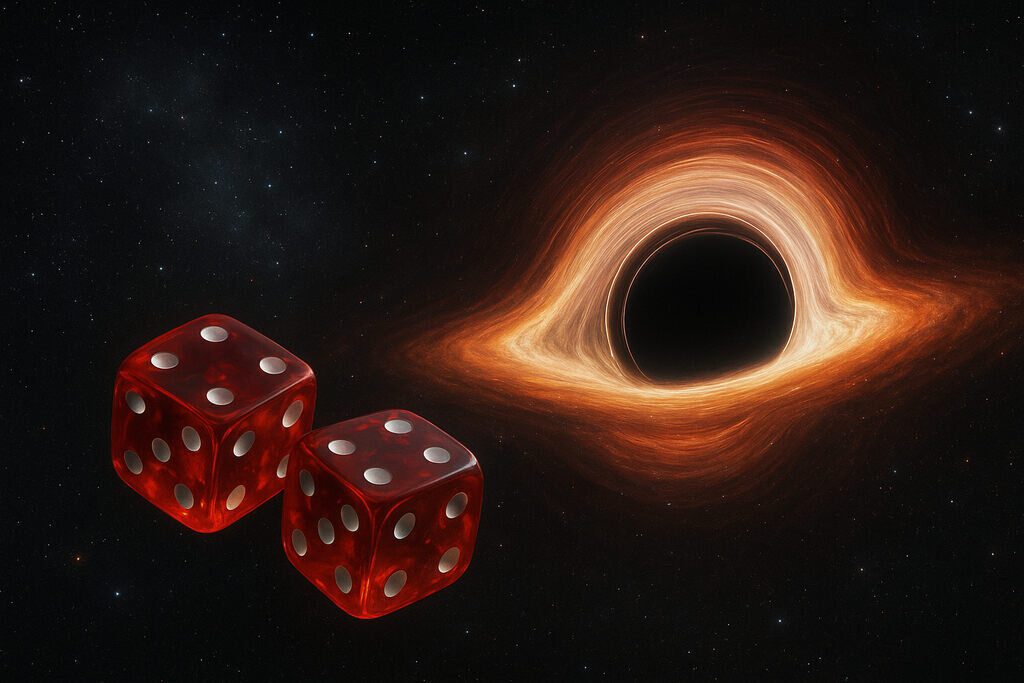
Quantum mechanics adds another layer of mystery. At tiny scales, particles behave unpredictably, and black holes push these rules to the extreme. Some theories suggest quantum effects could prevent singularities from being infinite, opening the door to new universes.
Imagine rolling dice where the rules change every time—that’s quantum physics inside a black hole. Studying this helps scientists bridge the gap between Einstein’s relativity and quantum theory. If successful, it could explain how universes might sprout from black holes.
8. Hawking Radiation

Stephen Hawking discovered that black holes aren’t completely black—they slowly emit energy, called Hawking radiation. Over billions of years, this causes them to shrink and eventually vanish. But what happens when they disappear? Some scientists wonder if the final stage could trigger a new universe. It’s like a candle burning down to its last flicker, sparking something new. Hawking radiation shows us that black holes aren’t eternal, and their endings might be just as fascinating as their beginnings.
9. Black Holes and Time
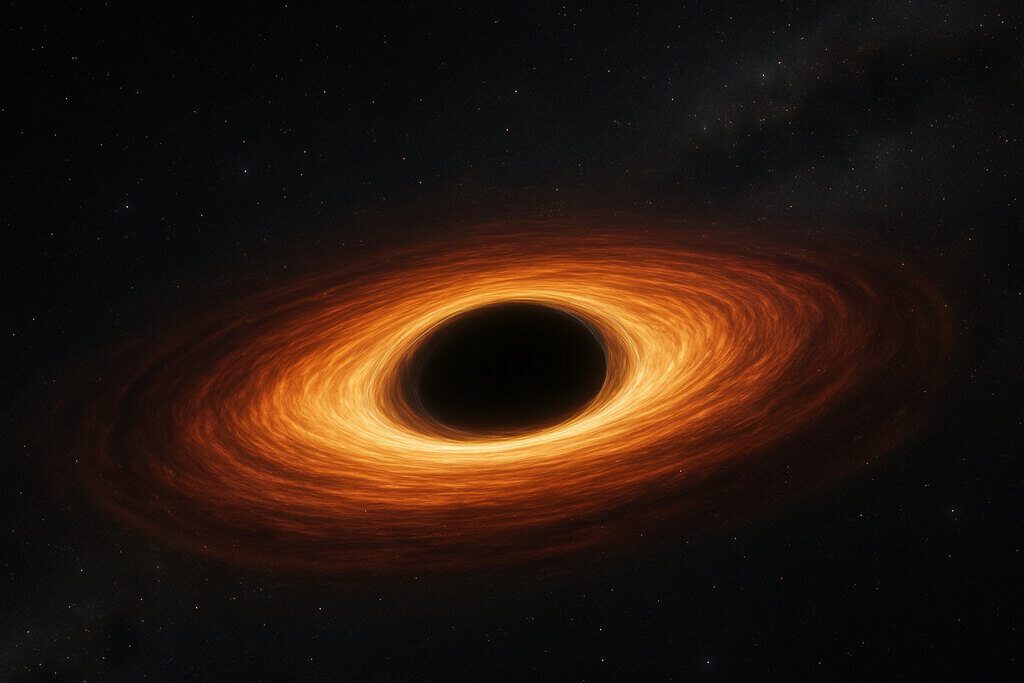
Black holes bend time itself. Near the event horizon, time slows dramatically compared to the outside world. Imagine spending an hour near a black hole, only to find centuries have passed elsewhere. This time-warping effect makes scientists wonder: could black holes reset time in a new universe? If so, each universe might have its own unique timeline. It’s a reminder that time isn’t fixed—it’s flexible, and black holes may hold the key to understanding its true nature.
10. Cosmic Recycling
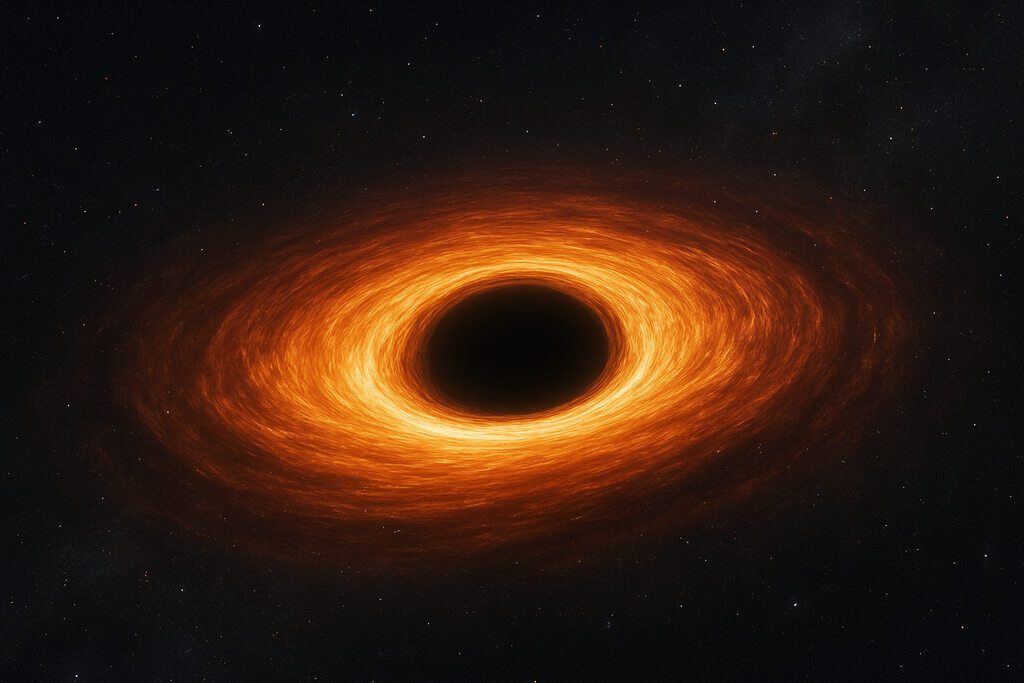
Black holes might recycle matter into new forms. Instead of vanishing forever, the matter could reappear in another universe. Think of compost turning waste into fertile soil. If black holes recycle matter, they could be engines of cosmic renewal. This idea makes them less frightening and more inspiring—symbols of transformation rather than destruction.
11. The Multiverse Idea
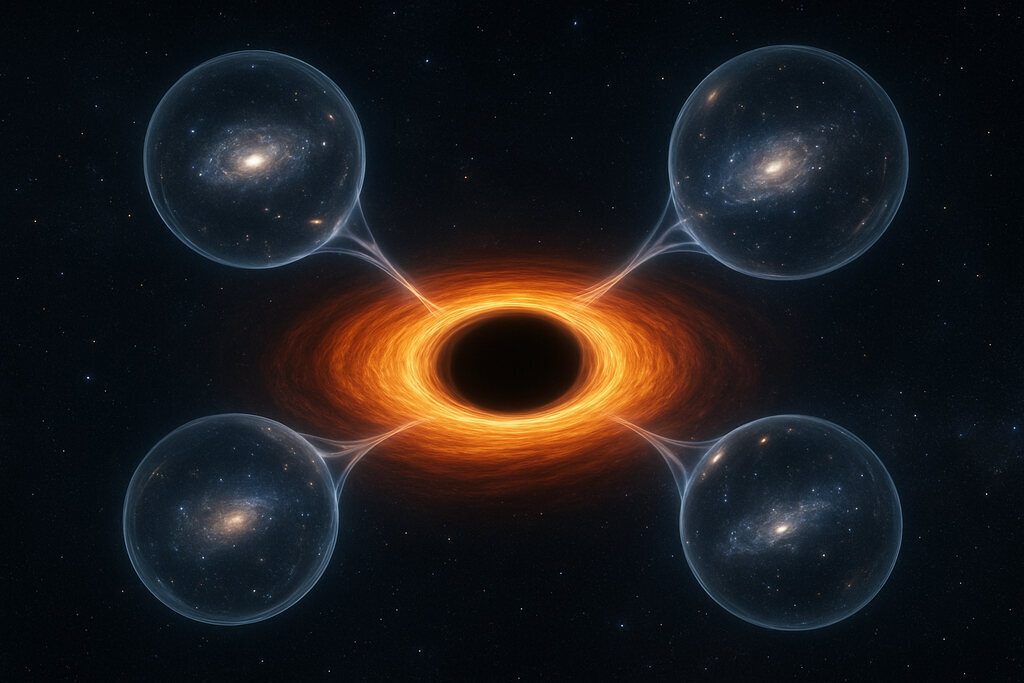
The multiverse theory suggests our universe is just one of many. Black holes could be the bridges connecting them. Imagine each universe as a bubble, with black holes acting as tunnels between bubbles. If true, our universe might be part of a vast cosmic family. This idea is speculative, but it helps explain why our universe has the conditions for life.
12. Challenges to the Theory
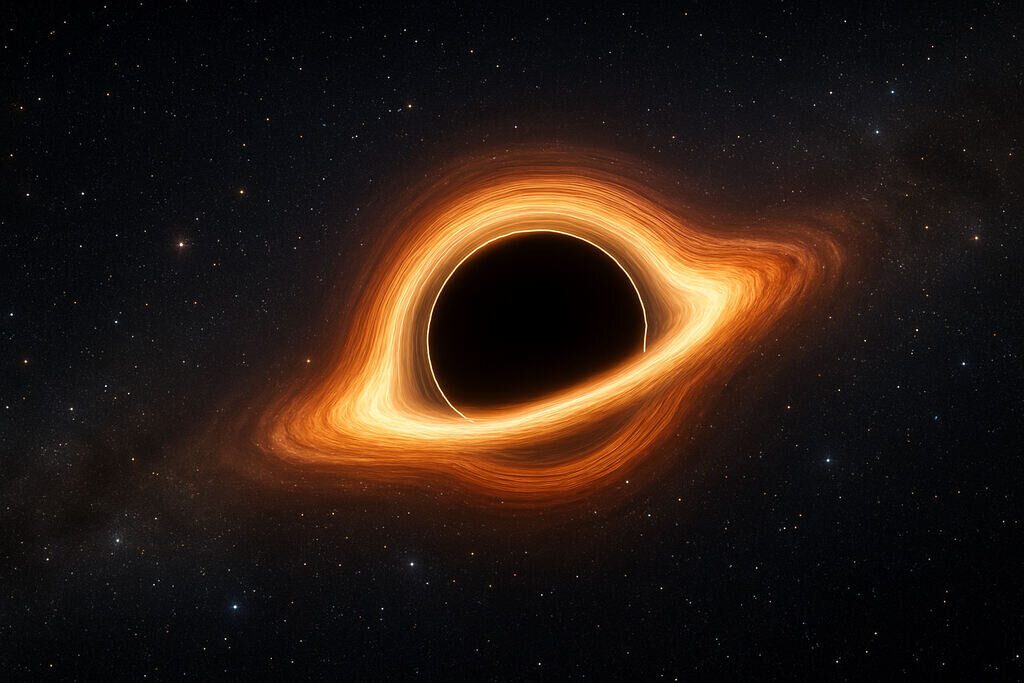
Not all scientists agree. Many argue that black holes are simply endpoints, with no evidence of new universes. The math is complex, and experiments are nearly impossible. Skeptics remind us that while imagination is valuable, science requires proof. Still, exploring these ideas pushes boundaries and sparks innovation.
13. Real-Life Applications

You might wonder: how does this help us in daily life? Studying black holes sharpens our technology, from telescopes to quantum computers. GPS systems, for example, rely on relativity—the same physics tested near black holes. So even if black holes don’t create universes, they inspire tools that improve our lives.
14. Human Curiosity
At its core, this question reflects human curiosity. We’ve always asked big questions: What’s beyond the horizon? What happens after death? Black holes embody that spirit of exploration. Whether they create universes or not, they remind us to keep asking, keep learning, and keep dreaming.
15. A Motivational Note

Black holes may or may not create new universes, but the idea itself is powerful. It teaches us that endings can be beginnings, and mysteries drive progress. Just as black holes challenge physics, life challenges us with unknowns. Instead of fearing them, we can see them as opportunities to grow. The universe is vast, and so is human potential. Keep looking up—you never know what new worlds you might discover.