
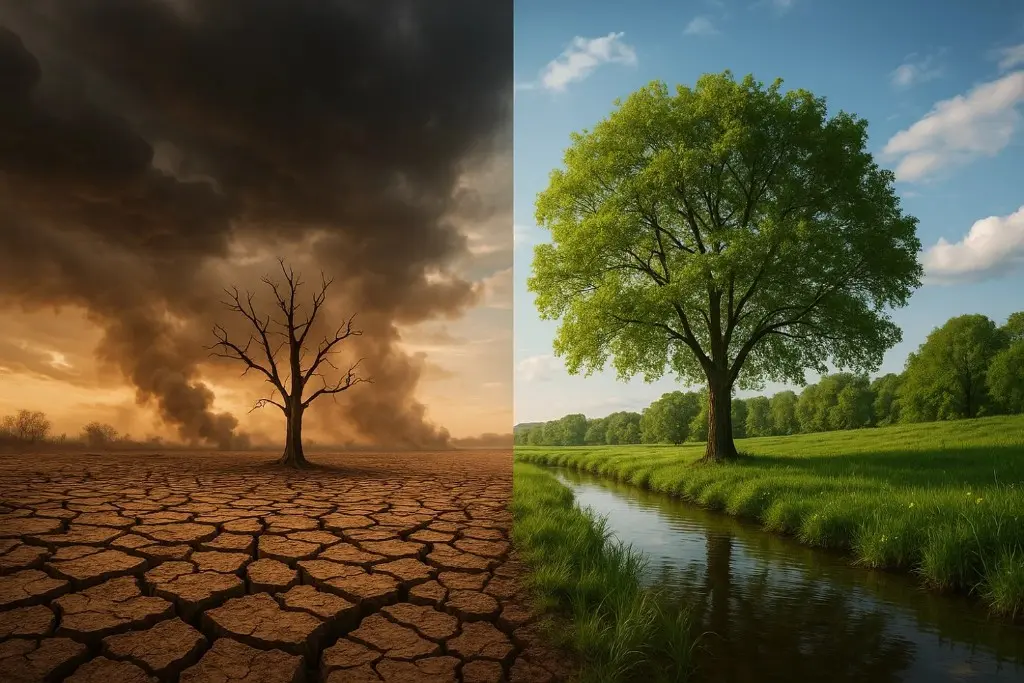
The Earth’s climate is rapidly changing, and we are nearing a critical juncture where tipping points could be crossed, leading to irreversible damage. Scientific studies suggest that if immediate action is not taken, we could face extreme disruptions to ecosystems, economies, and human societies.
From melting ice caps to shifting weather patterns, the consequences of inaction are dire. It’s crucial to understand what might happen if we don’t address climate change before it’s too late. This article explores the potential impacts of ignoring the climate tipping point and how they could alter the world as we know it.
1. Global Sea Level Rise
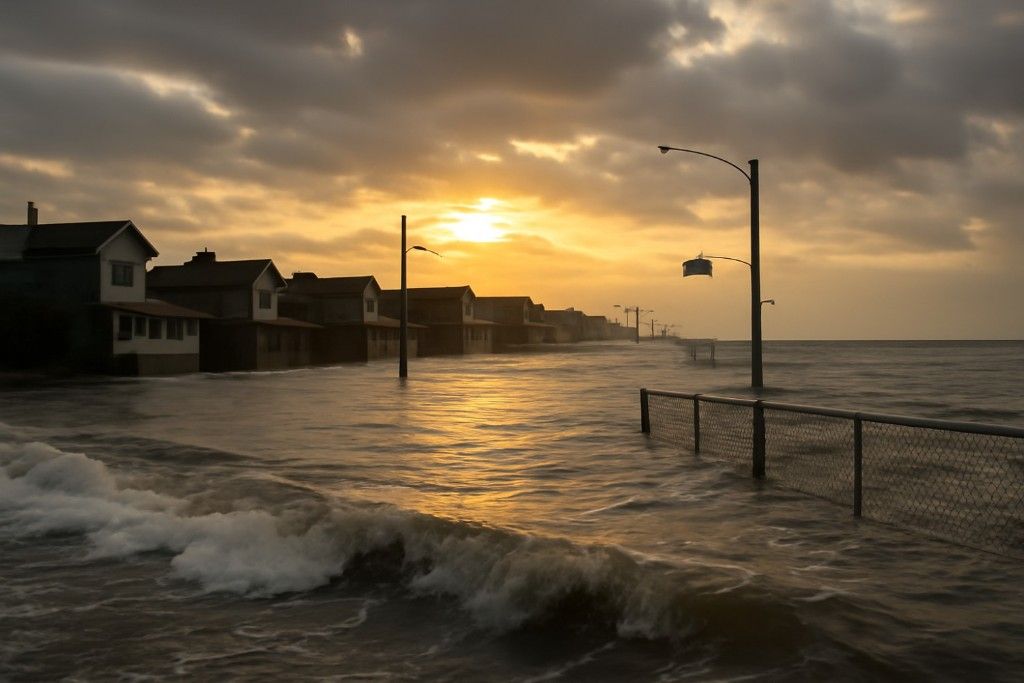
Global sea level rise is one of the most immediate and impactful consequences of climate change. As the polar ice caps and glaciers continue to melt due to higher global temperatures, sea levels are rising at an accelerating rate. By the year 2100, projections indicate that sea levels could rise by as much as one meter, inundating coastal cities and low-lying countries.
Cities such as New York, Miami, and Jakarta are already experiencing the effects of rising sea levels, including flooding and storm surges. Millions of people worldwide could be displaced, and valuable infrastructure could be lost, threatening economies and livelihoods globally.
2. Extreme Weather Events
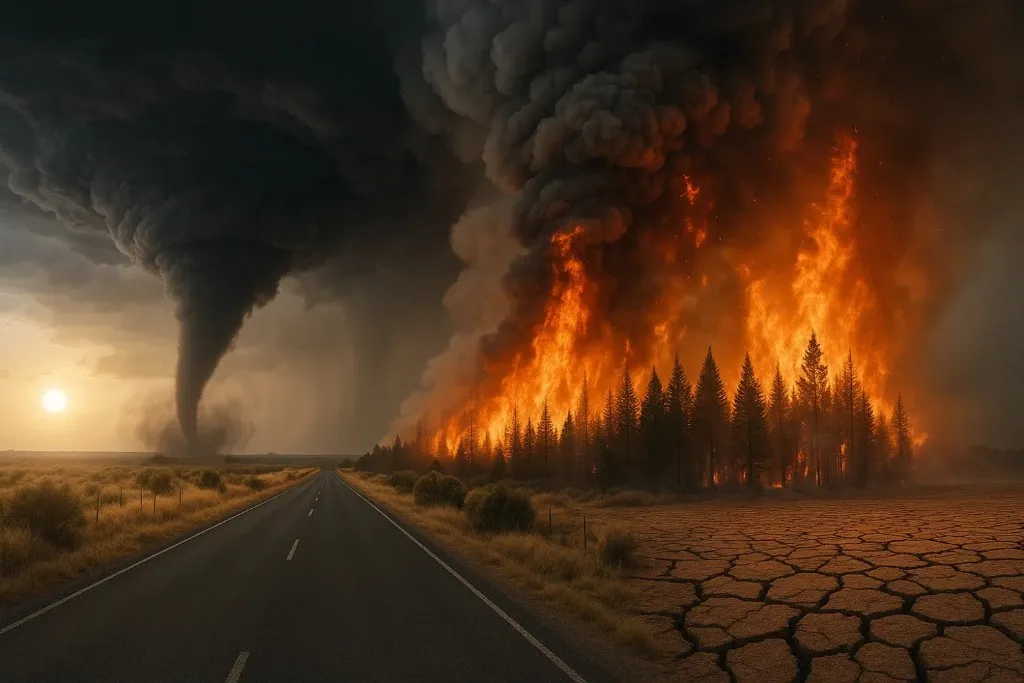
As global temperatures rise, extreme weather events have become increasingly common and severe. Heatwaves, hurricanes, wildfires, and droughts are now occurring with greater frequency and intensity. In 2020, Australia saw some of its worst wildfires, while hurricanes devastated the Gulf of Mexico region.
These extreme events not only disrupt daily life but also cause widespread damage to infrastructure, agriculture, and human health. If action is not taken to curb greenhouse gas emissions, the frequency and severity of these events will continue to escalate, exacerbating economic and social vulnerabilities worldwide, especially in developing regions.
3. Ocean Acidification
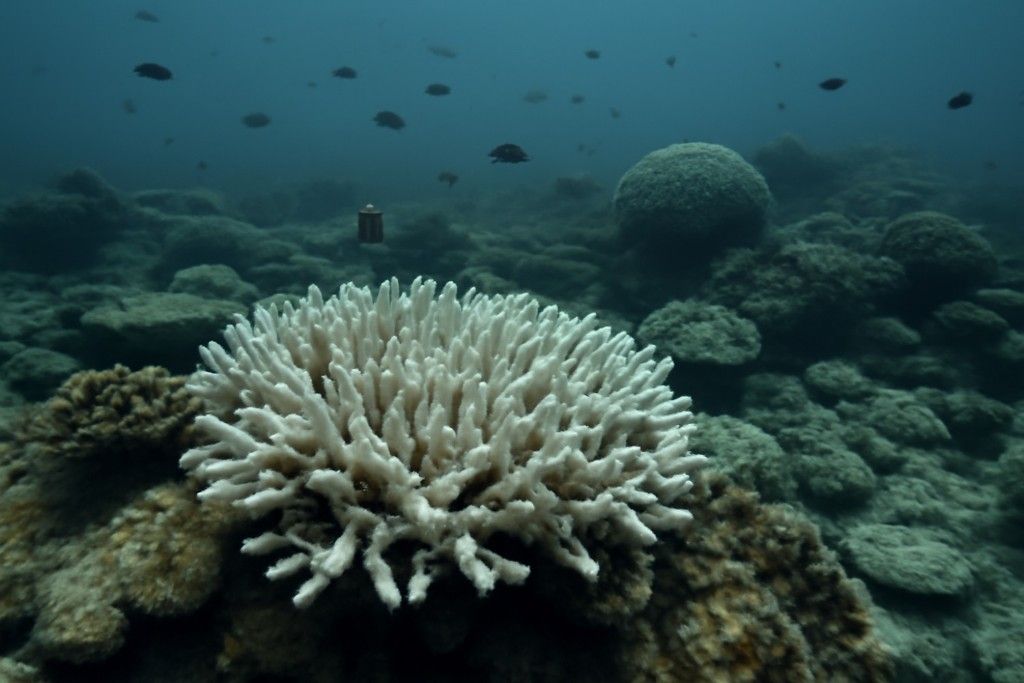
The oceans absorb a significant amount of the carbon dioxide (CO2) we emit into the atmosphere. As CO2 concentrations increase, the oceans become more acidic, altering the delicate balance of marine ecosystems. Acidification particularly affects species like corals, shellfish, and plankton, all of which are vital components of the marine food chain.
Coral reefs, which provide shelter for marine biodiversity, are particularly at risk of disappearing due to this acidification. The collapse of marine ecosystems would devastate global fisheries, threatening food security for millions of people who rely on seafood as a primary protein source.
4. Loss of Biodiversity
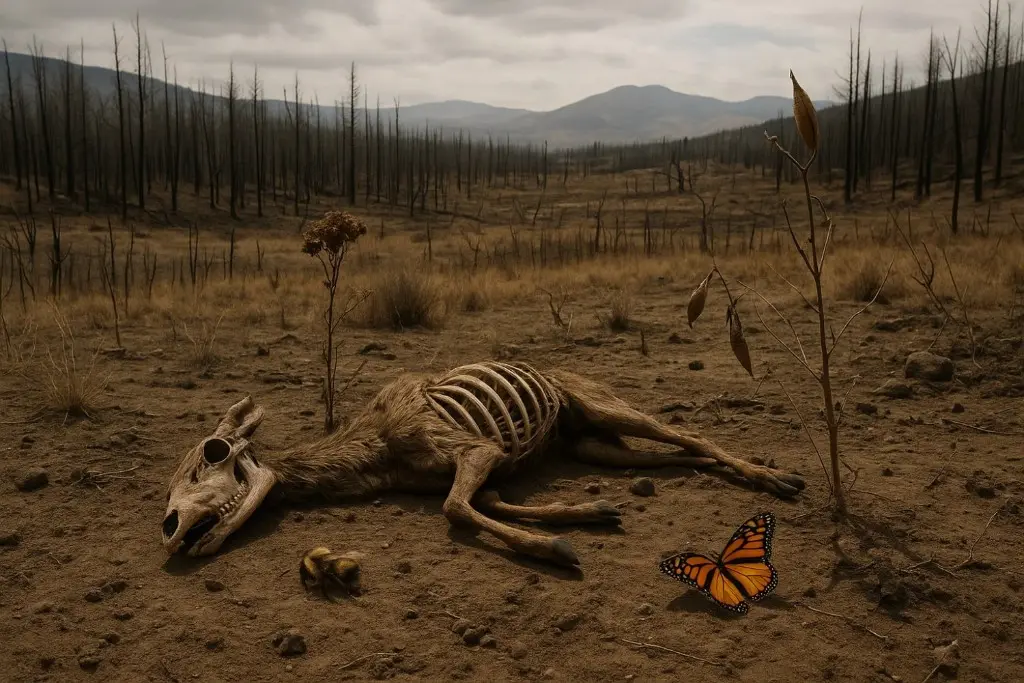
Climate change is causing ecosystems to shift at an alarming rate, leaving many species unable to adapt quickly enough. Rising temperatures, changing precipitation patterns, and habitat destruction are pushing countless species toward extinction. The loss of biodiversity could disrupt food chains, with ripple effects throughout ecosystems.
For example, the loss of pollinators like bees and butterflies would severely impact agriculture. The Intergovernmental Panel on Climate Change (IPCC) estimates that by the end of the century, one million species could be at risk of extinction if climate change is not mitigated, leading to irreversible ecological damage and reduced resources for future generations.
5. Displacement of Communities
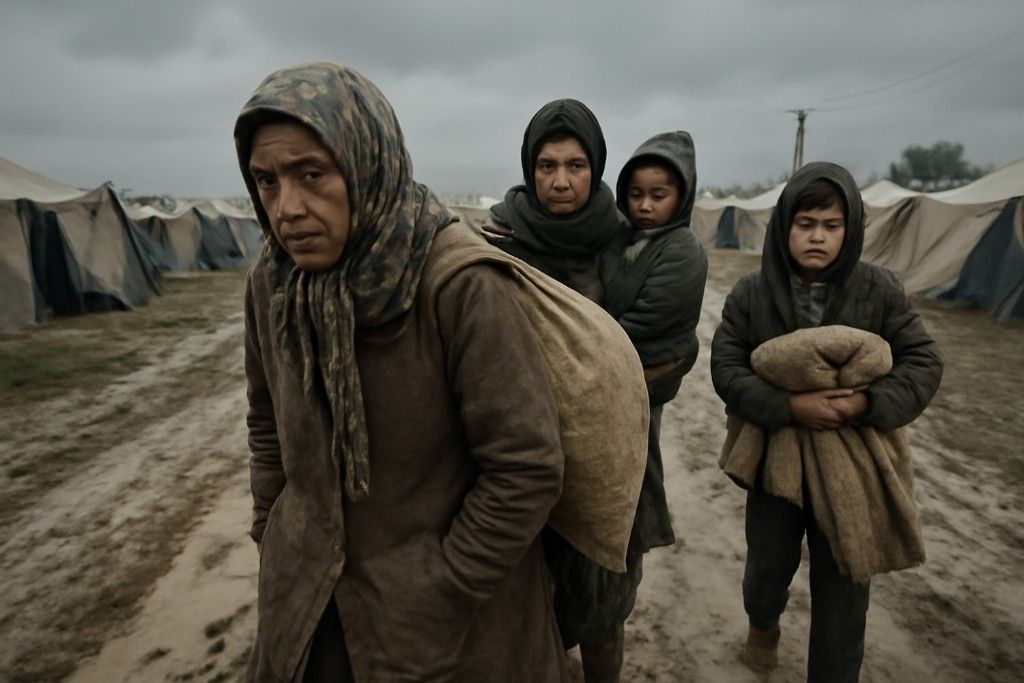
As sea levels rise and extreme weather events become more frequent, millions of people will be forced to flee their homes in search of safer living conditions. Low-lying coastal areas, such as Bangladesh and small Pacific island nations, are particularly vulnerable to flooding. Climate refugees will be displaced in massive numbers, leading to overcrowded cities and strained resources.
This displacement could fuel global migration patterns and increase competition for jobs, housing, and basic services. Without proactive planning and international cooperation, climate-induced displacement could lead to political instability and exacerbate existing social and economic inequalities worldwide.
6. Food Security Threats
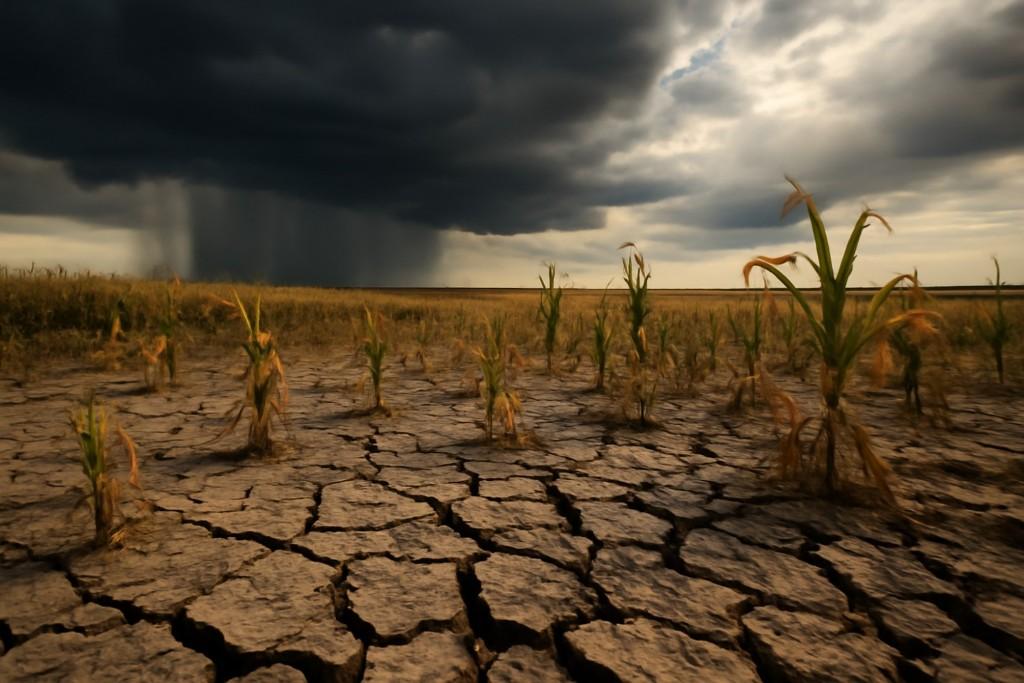
Climate change poses a significant threat to global food security, with rising temperatures and unpredictable weather patterns affecting crop yields. Extreme weather events, such as droughts and floods, are already damaging agricultural production in many regions, especially in countries dependent on rain-fed agriculture.
In Africa, for instance, prolonged droughts are depleting water supplies and reducing food production. Similarly, rising temperatures can affect the growth cycles of vital crops like wheat, rice, and maize. If these trends continue, food shortages could become more common, driving up prices and leading to hunger and malnutrition, especially in developing countries.
7. Economic Disruption
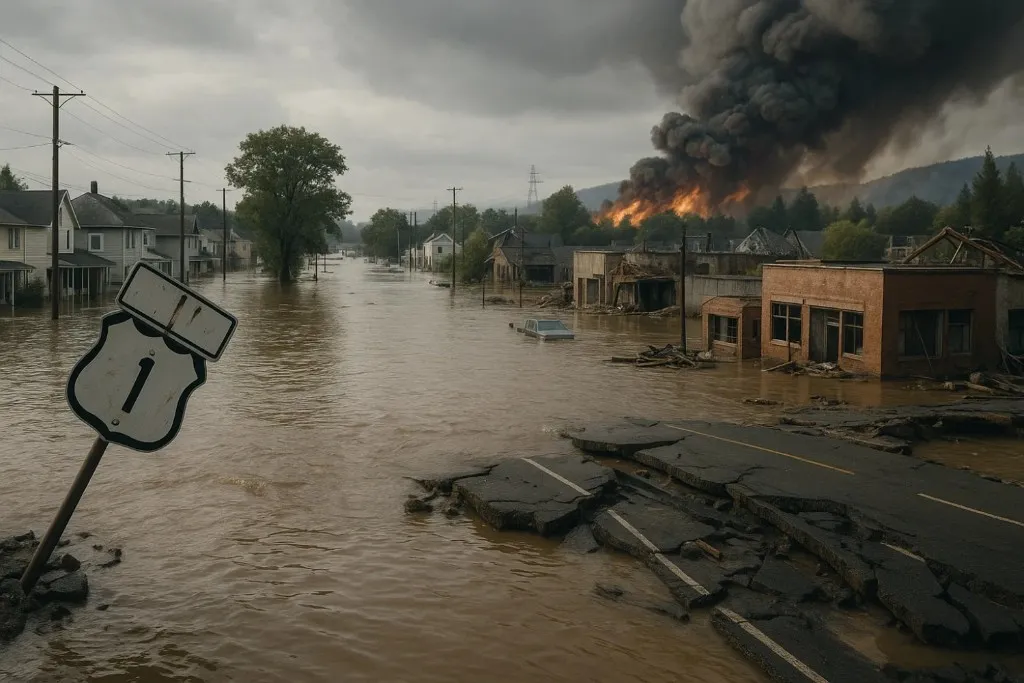
The economic consequences of climate change are profound and far-reaching. Increased frequency of extreme weather events, such as floods, hurricanes, and wildfires, results in billions of dollars in damage each year. Infrastructure, homes, and businesses are destroyed, while productivity is lost due to damaged agricultural systems and disrupted transportation networks.
Furthermore, industries that rely on natural resources, like agriculture, tourism, and insurance, face significant risks. In the absence of climate action, the global economy will face even more substantial losses, with long-term consequences for both developed and developing nations, making it difficult to recover and adapt.
8. Public Health Risks
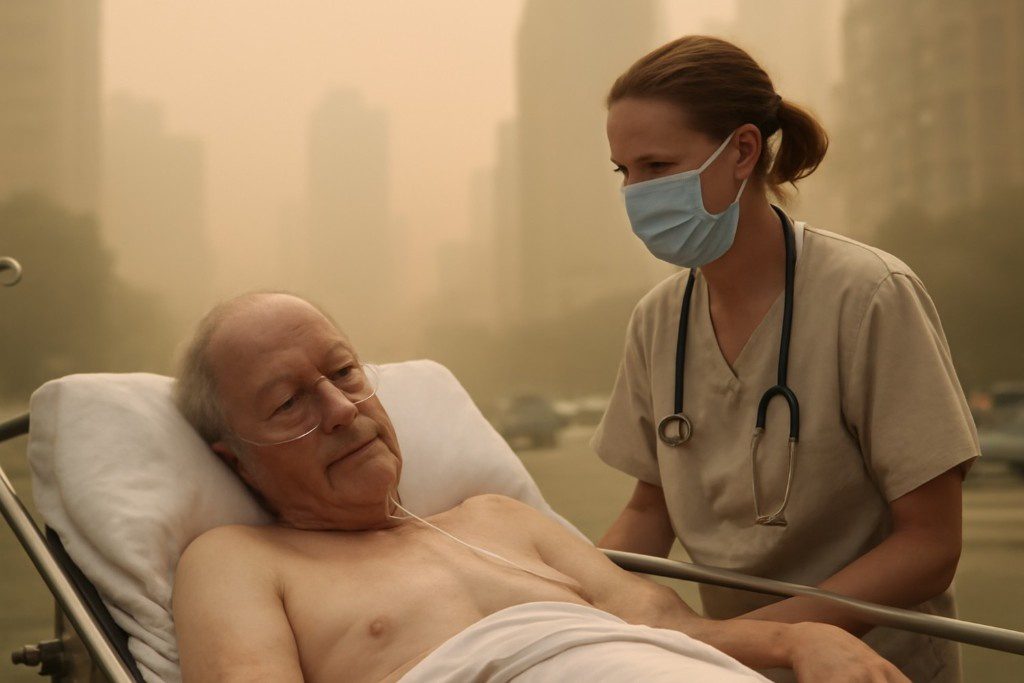
Climate change also brings serious health risks, with rising temperatures exacerbating a range of diseases. Increased temperatures can lead to the spread of vector-borne diseases like malaria, dengue, and Zika, as warmer conditions allow mosquitoes and other vectors to thrive.
In urban areas, higher levels of air pollution caused by increased industrial activity and vehicle emissions are leading to respiratory diseases, particularly in vulnerable populations such as the elderly and children. Moreover, extreme heat events can cause dehydration, heat stroke, and even death. Without effective adaptation and mitigation strategies, public health systems will be overwhelmed by these growing risks.
9. Melting Glaciers and Water Shortages
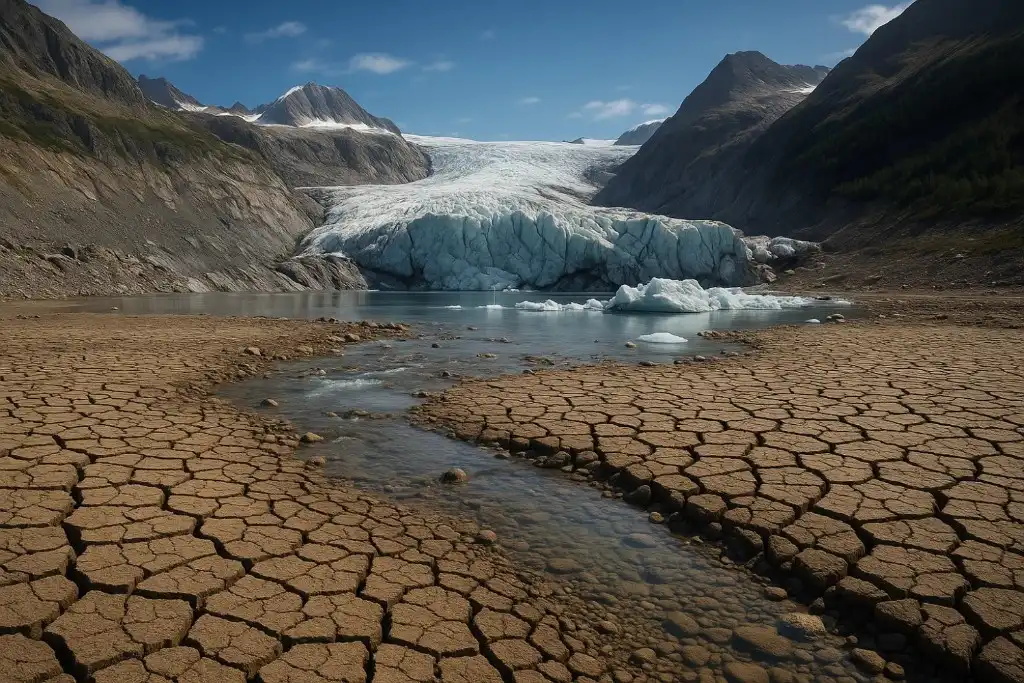
Glaciers, which act as natural freshwater reservoirs for billions of people, are melting at an unprecedented rate due to global warming. In regions like the Himalayas, Andes, and Alps, glacial meltwater is a critical source of drinking water, agriculture, and hydropower. As glaciers retreat, these freshwater sources will dwindle, leading to water shortages.
Communities in high-altitude areas and along major rivers are already feeling the effects of diminished water supplies. Without action, this trend will intensify, causing widespread water scarcity, which will disrupt both local and global economies and exacerbate existing conflicts over water resources.
10. Increased Migration and Conflict
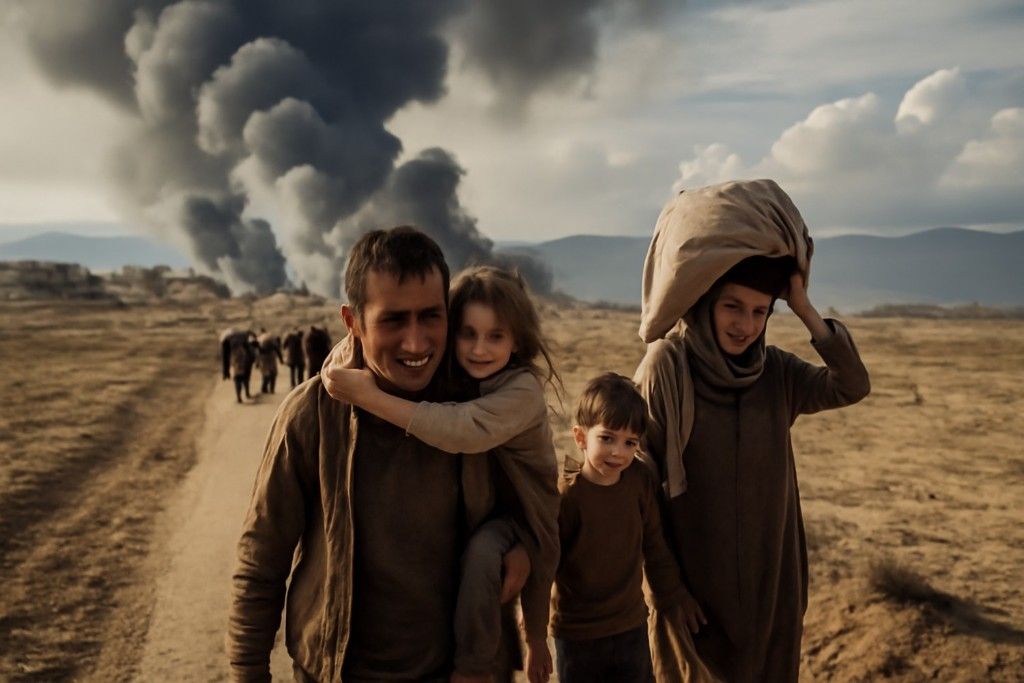
As climate change exacerbates environmental and resource scarcity, migration patterns are expected to shift dramatically. People living in areas most vulnerable to climate impacts, such as drought-stricken regions or flood-prone coastal areas, may be forced to relocate. This mass migration could create tensions and conflict as displaced populations compete for resources in already-strained regions.
For example, water scarcity in the Middle East and North Africa has been linked to increased migration and political unrest. If climate change is left unaddressed, migration could lead to social and geopolitical instability, as nations struggle to accommodate growing numbers of climate refugees.
11. Economic Inequality and Poverty
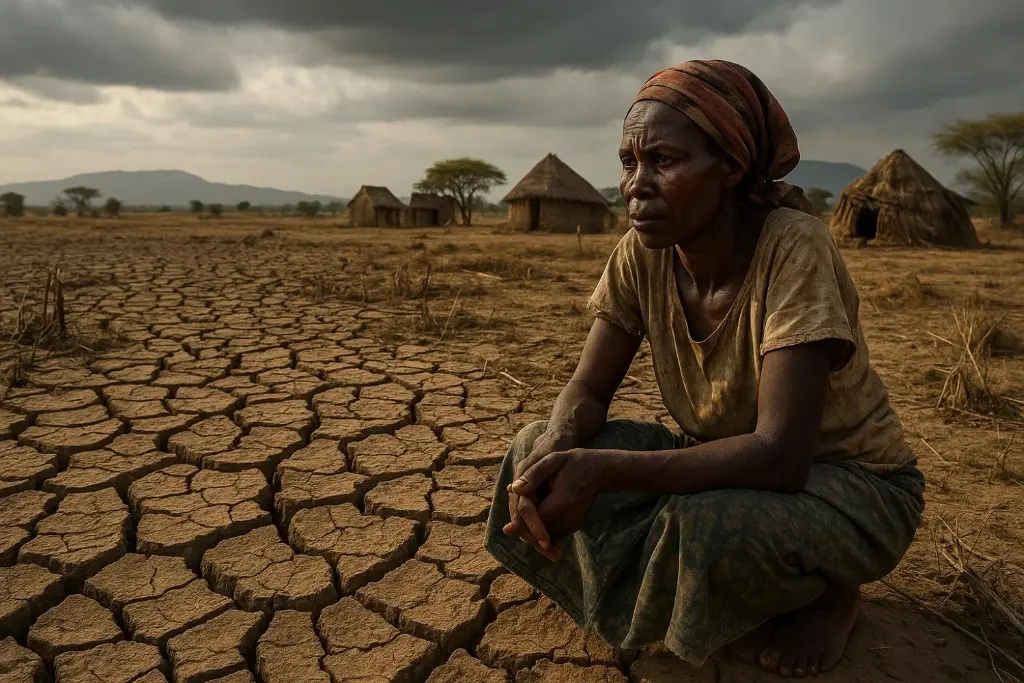
The effects of climate change disproportionately affect the world’s poorest populations, who have the least capacity to adapt. Countries in the Global South, which contribute the least to global greenhouse gas emissions, are often the most vulnerable to climate impacts, such as droughts, floods, and crop failure.
These communities face increased poverty and economic hardship as their agriculture, homes, and infrastructure are destroyed. This growing inequality will exacerbate existing social tensions and hinder efforts to reduce poverty. As the rich get richer and the poor suffer, the global divide will continue to deepen, creating a more polarized and unstable world.
12. Disruption to Global Supply Chains
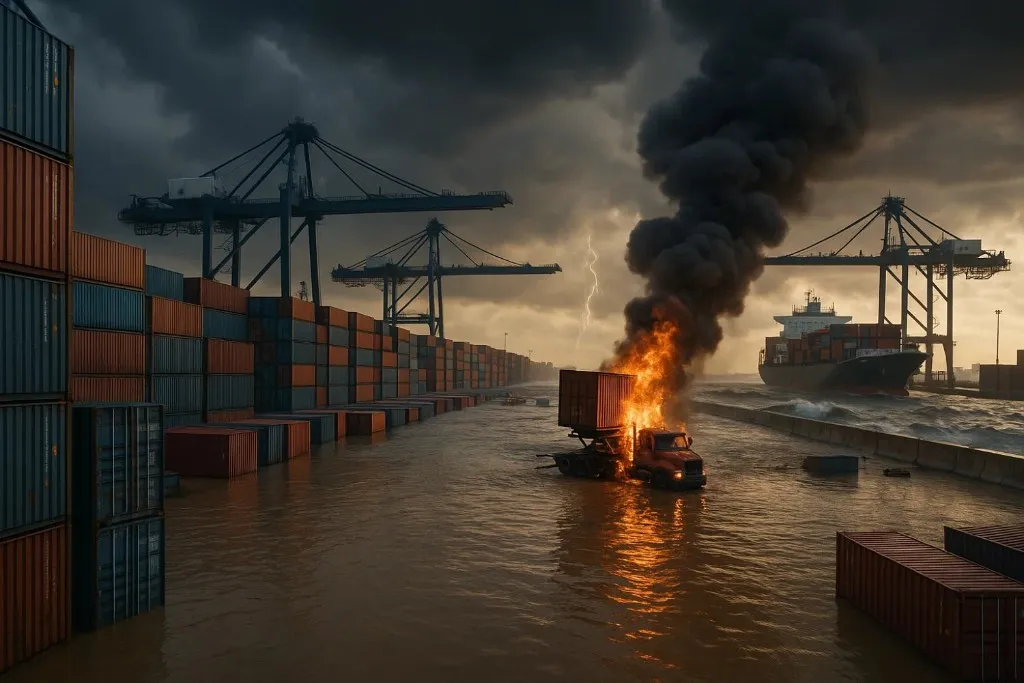
Climate change is increasingly disrupting global supply chains, which depend on predictable weather patterns and stable environmental conditions. For example, severe storms can delay the transportation of goods, while droughts and heatwaves can damage agricultural production, leading to shortages. In 2020, the COVID-19 pandemic exposed vulnerabilities in supply chains, and climate change will only exacerbate these challenges.
Natural disasters may destroy factories and ports, and water scarcity could limit production, especially in water-intensive industries like textiles and food. A lack of action could cause ongoing disruptions, leading to economic losses and widespread scarcity of goods and services.
13. Oceanic Heatwaves and Marine Ecosystem Collapse
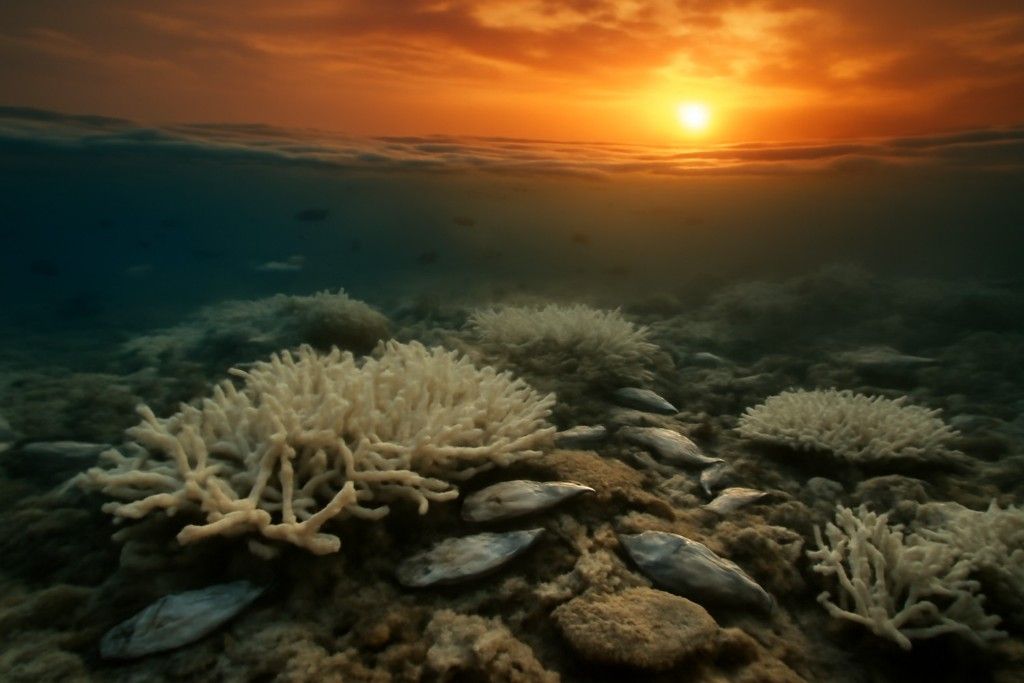
Oceanic heatwaves are becoming more frequent as global temperatures rise, leading to devastating effects on marine ecosystems. These heatwaves cause coral bleaching, the mass death of fish, and the destruction of critical marine habitats. The Great Barrier Reef, a UNESCO World Heritage site, has already suffered severe bleaching events, and similar patterns are being observed globally.
As ocean temperatures continue to rise, many marine species could be pushed beyond their survival limits, leading to the collapse of entire ecosystems. The loss of marine biodiversity would have dire consequences for global food systems, as fish and other seafood are vital protein sources for millions of people.
14. Wildfires and Ecosystem Damage
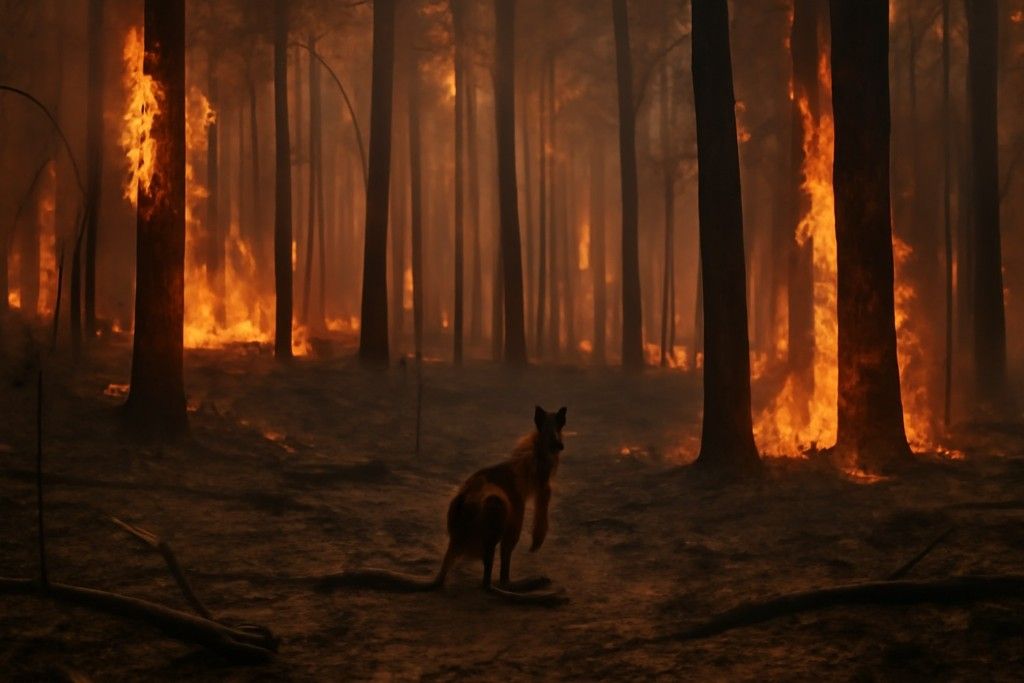
Increased temperatures and prolonged droughts are leading to more frequent and severe wildfires around the world. In 2019-2020, Australia experienced some of the worst wildfires in its history, burning millions of acres of land and causing widespread destruction. These fires not only result in loss of life and property but also contribute significantly to global carbon emissions.
Additionally, ecosystems are destroyed, and species are driven to extinction, further damaging biodiversity. The fires also release harmful pollutants into the air, affecting air quality and public health, especially in densely populated areas.
15. Irreversible Changes to the Earth’s Climate
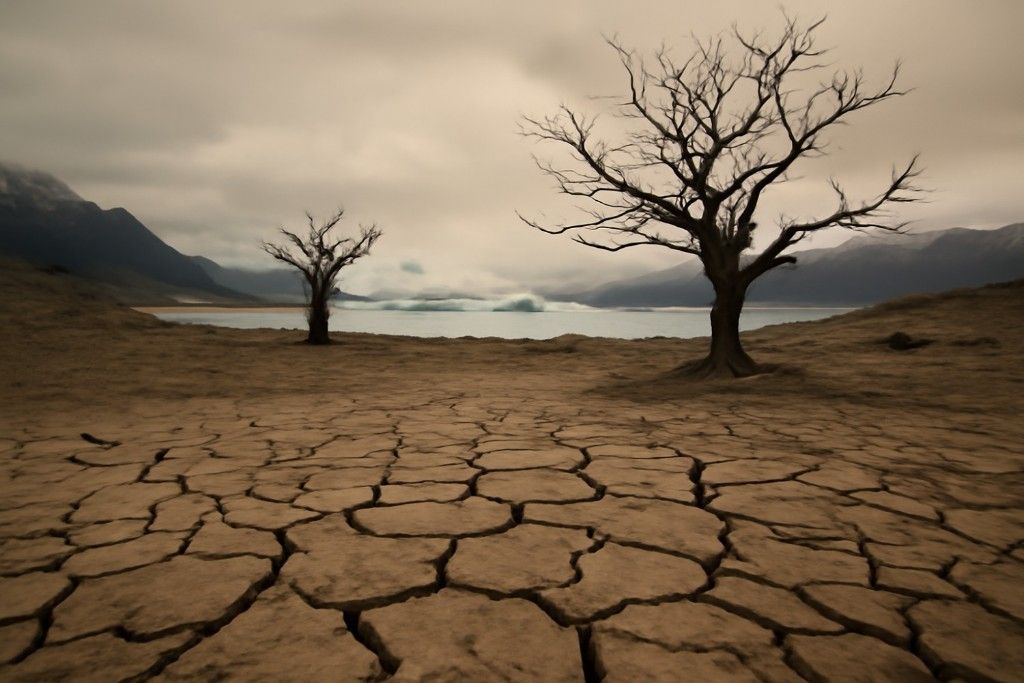
If no significant action is taken, many of the climate changes we are experiencing will become irreversible. The loss of glaciers, coral reefs, and biodiversity could be permanent, altering the Earth’s ecosystem permanently. Climate models predict that if temperatures rise beyond 2°C, we will cross irreversible tipping points, leading to the loss of crucial ecological functions.
Once these tipping points are passed, attempts to mitigate climate damage will be far less effective. Future generations could inherit a planet that is unable to support life as we know it, making it essential that we take meaningful action now.