
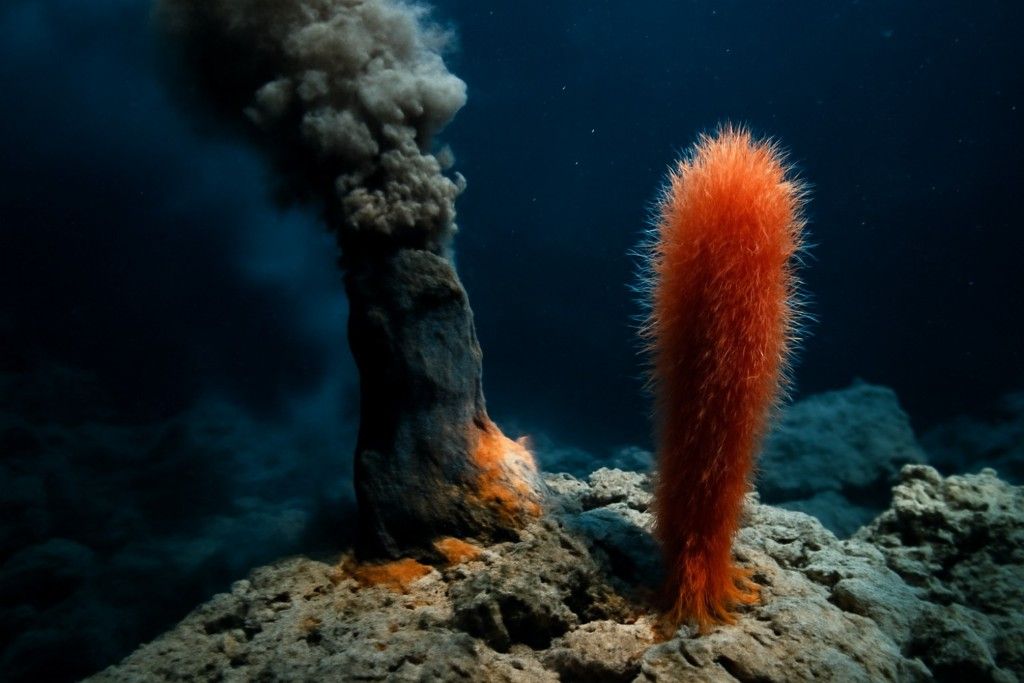
Pyrolobus fumarii is a fascinating extremophile that pushes the boundaries of life as we know it. Found in hydrothermal vent ecosystems on the ocean floor, this microorganism has the remarkable ability to survive in extreme conditions, including temperatures that would be lethal to most other organisms.
Its discovery has expanded our understanding of life on Earth and the potential for life in other extreme environments, such as on other planets or moons in our solar system. Here’s an in-depth look at the unique characteristics and significance of Pyrolobus fumarii.
1. Origins of Pyrolobus fumarii
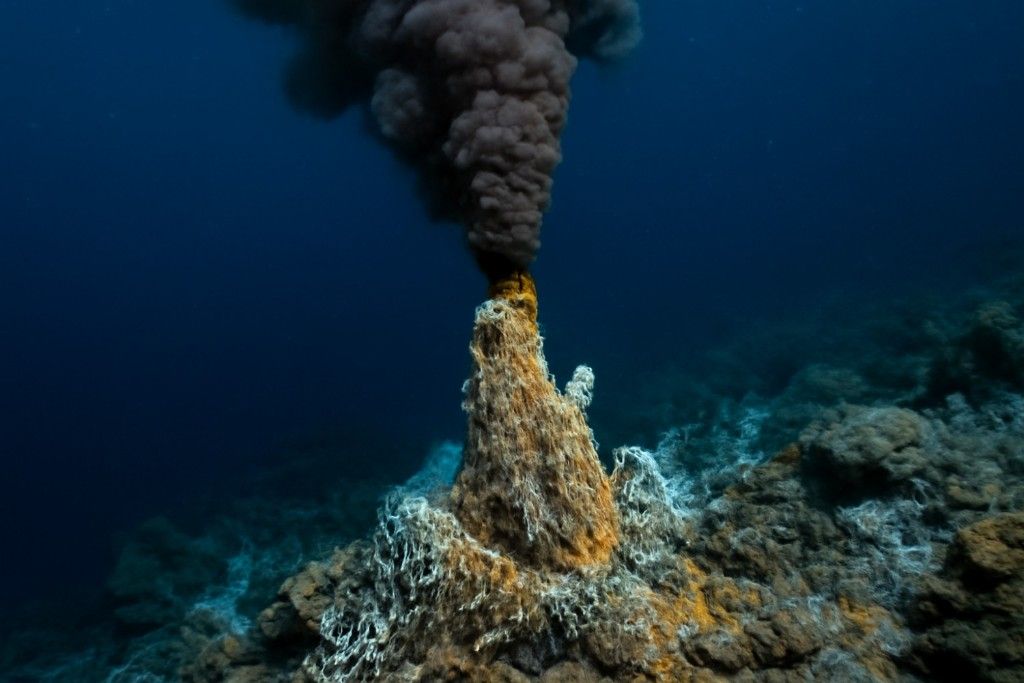
Pyrolobus fumarii was first discovered in 1996 by a team of researchers studying the deep-sea hydrothermal vents near the Mid-Atlantic Ridge. This microorganism is a type of archaea, a single-celled organism known for thriving in harsh environments.
What makes it unique is its extreme heat tolerance—able to live in water temperatures up to 113°C (235°F), far beyond what most life forms can endure. These conditions exist deep within the Earth’s oceans, where water heated by the Earth’s core fuels complex, life-sustaining ecosystems.
2. The Role of Hydrothermal Vents in its Habitat
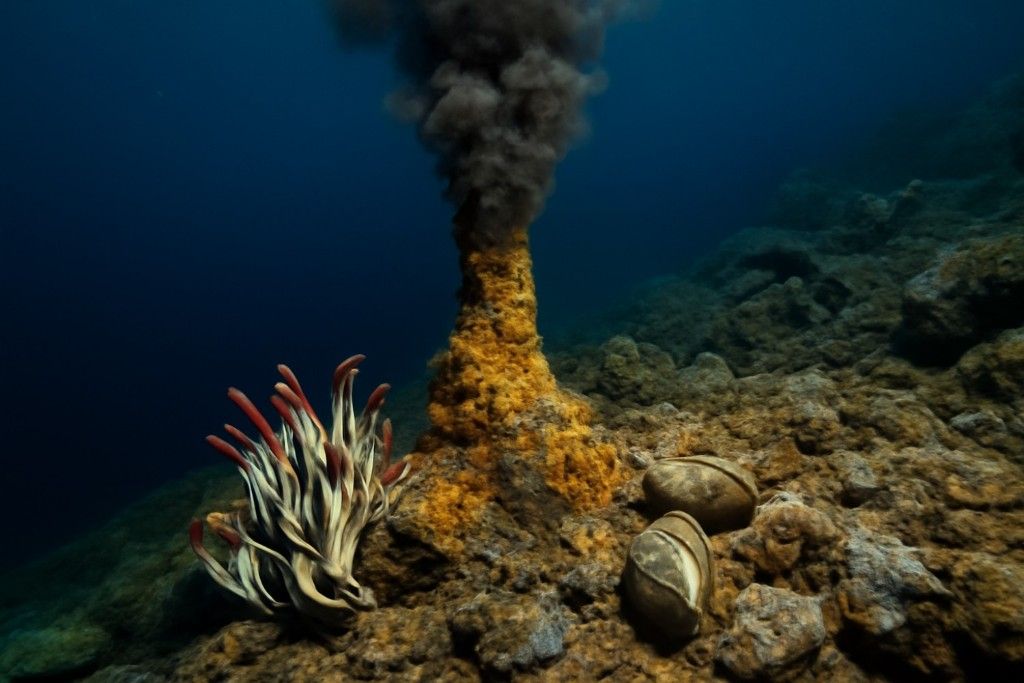
Hydrothermal vents, where Pyrolobus fumarii thrives, are deep-sea fissures that release superheated water rich in minerals. These vents create isolated environments that support unique ecosystems, where organisms rely on chemosynthesis rather than photosynthesis.
The energy produced by these vents supports an array of life, from bacteria to large animals like tube worms and giant clams. For Pyrolobus fumarii, these vents provide the perfect environment, with the extreme heat and chemical-rich waters serving as its natural habitat.
3. Extreme Heat Resistance
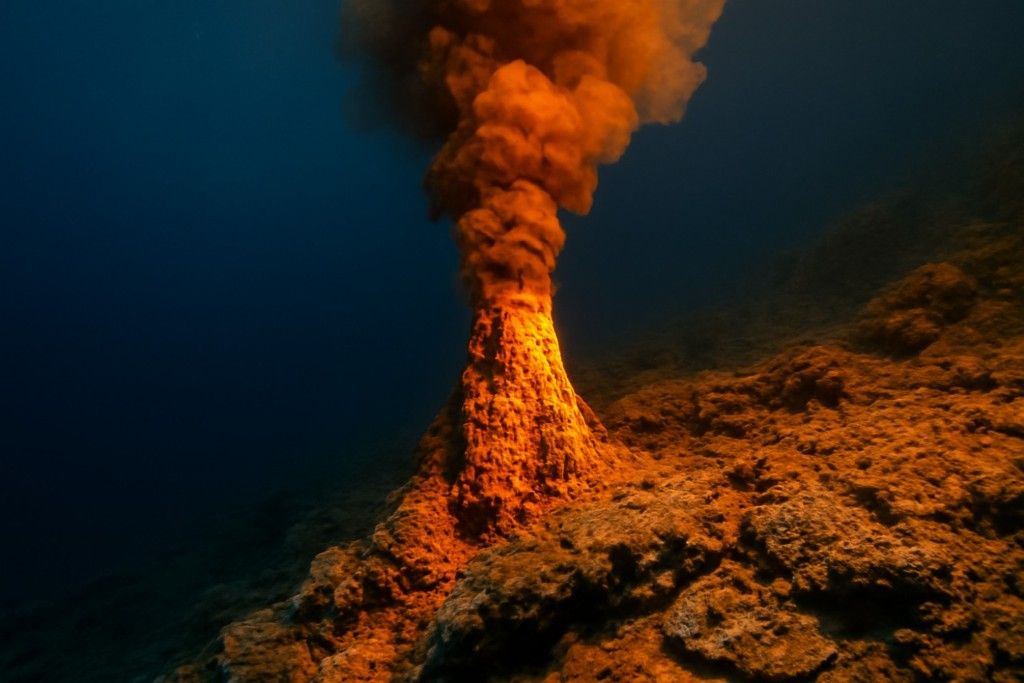
One of the most remarkable features of Pyrolobus fumarii is its ability to survive at temperatures up to 113°C (235°F), a feat that no other known organism can accomplish. This heat tolerance is made possible by specialized proteins and enzymes that remain stable and functional at high temperatures.
These enzymes, known as thermophilic enzymes, have a unique structure that prevents them from denaturing, or breaking down, under heat stress. This biological adaptation allows Pyrolobus fumarii to thrive in the hottest regions of the ocean floor.
4. Chemosynthesis: The Energy Source
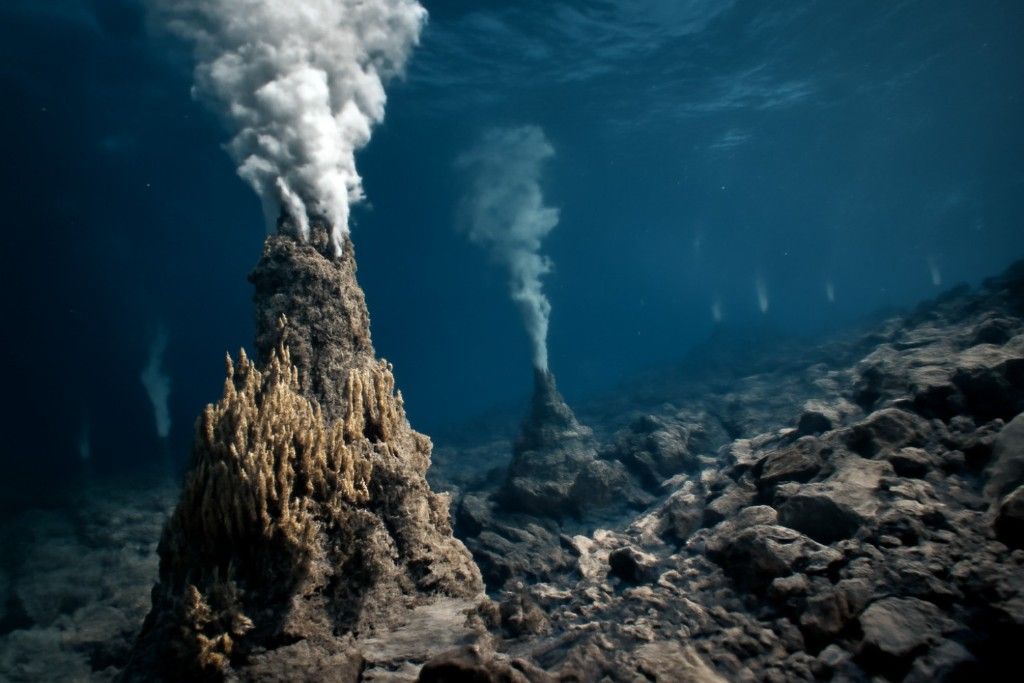
Unlike most organisms that rely on sunlight for energy through photosynthesis, Pyrolobus fumarii and other extremophiles in hydrothermal vent ecosystems rely on chemosynthesis. This process involves the conversion of chemical compounds, such as hydrogen sulfide, into energy.
Pyrolobus fumarii uses this energy to produce organic compounds, allowing it to sustain itself in an environment where light is nonexistent. This form of energy production supports a variety of life forms within the vent ecosystems, providing a model for life in extraterrestrial environments.
5. The Importance of Its Enzymes in Biotechnology

The enzymes of Pyrolobus fumarii have significant practical applications, particularly in the field of biotechnology. Thermophilic enzymes, such as those found in Pyrolobus fumarii, are used in various industrial processes, including DNA amplification in PCR (Polymerase Chain Reaction), which is essential for genetic research.
These enzymes are valuable because they can withstand high temperatures without losing their functionality, unlike those from organisms that live in more temperate conditions. Their stability makes them ideal for use in laboratory and industrial applications.
6. Pyrolobus fumarii’s Unique Genetic Adaptations
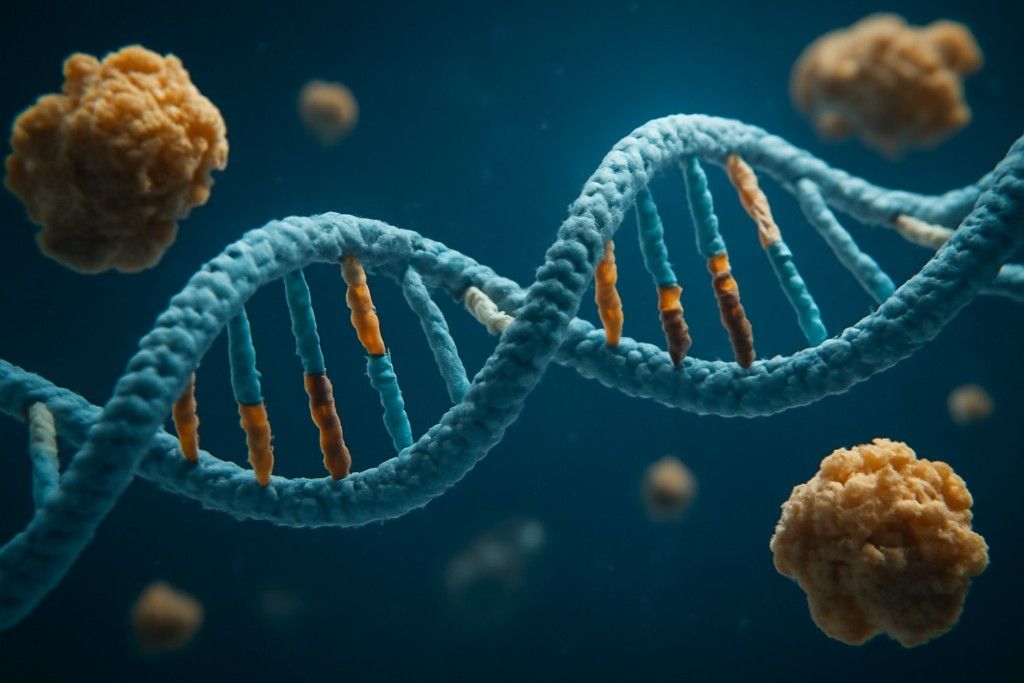
The genetic makeup of Pyrolobus fumarii is specialized for extreme survival. Its DNA is tightly wound and protected by specific proteins, which help maintain its integrity at high temperatures. This genetic stability is crucial for preventing mutations that could arise from the constant heat stress.
Additionally, the organism’s cellular machinery includes heat-resistant proteins that ensure cellular functions remain intact even in the most extreme conditions, making Pyrolobus fumarii a model organism for studying heat tolerance and molecular stability.
7. Pyrolobus fumarii and Other Extremophiles
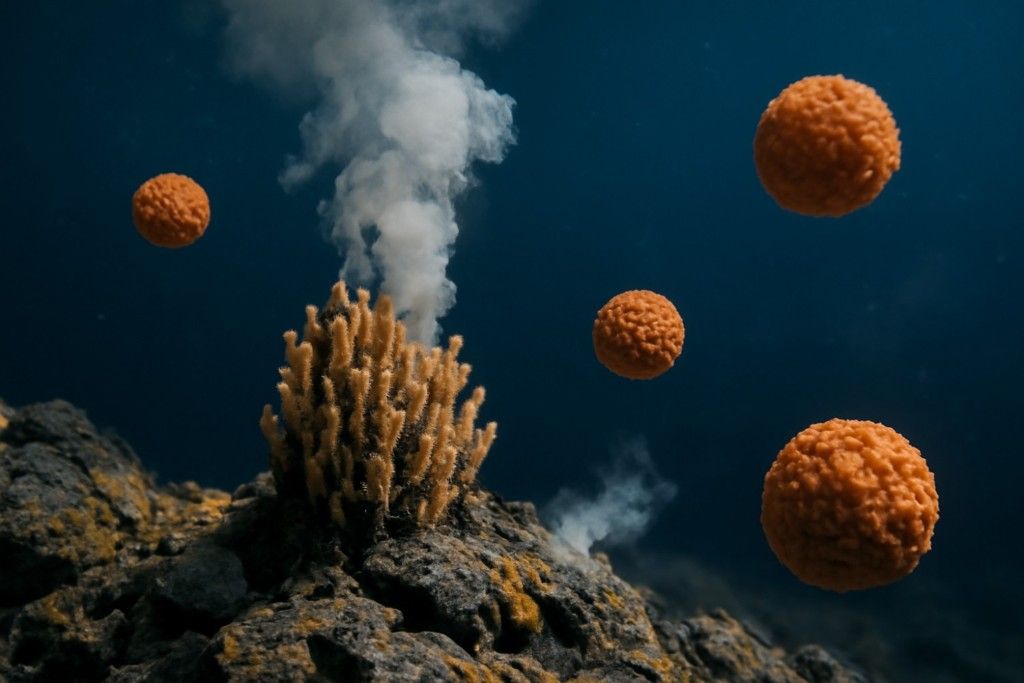
While Pyrolobus fumarii is one of the most heat-resistant organisms discovered, it shares its extreme survival strategies with other extremophiles. For example, Thermococcus gammatolerans, found in similar environments, can also withstand extreme temperatures and radiation.
These organisms help scientists understand the limits of life on Earth, shedding light on how life might exist in other extreme environments, such as on Mars, Venus, or the icy moons of Jupiter and Saturn, where similar conditions may prevail.
8. Role in Astrobiology
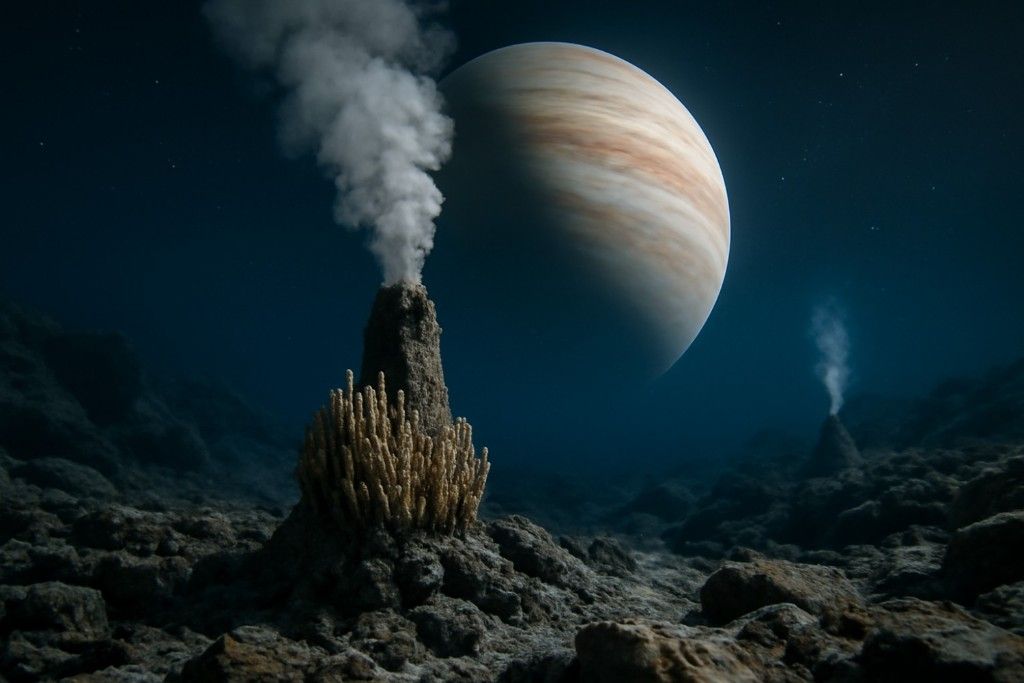
The discovery of Pyrolobus fumarii has profound implications for the field of astrobiology, which studies the potential for life beyond Earth. If life can thrive in such extreme conditions on Earth, it raises the possibility that similar extremophiles could exist on other planets or moons in our solar system.
For example, the subsurface oceans of Jupiter’s moon Europa or Saturn’s moon Enceladus may host conditions conducive to life, similar to the deep-sea hydrothermal vents where Pyrolobus fumarii resides. Its existence expands the range of environments scientists consider habitable.
9. The Microbial World of Hydrothermal Vents
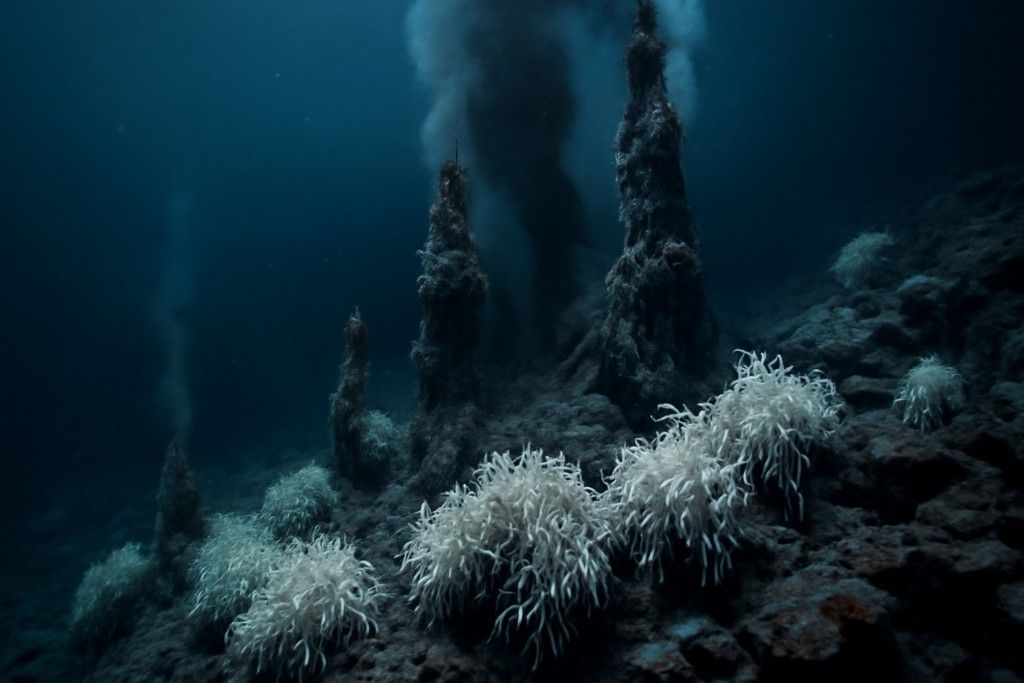
The microbial life around hydrothermal vents, including Pyrolobus fumarii, is part of a larger ecosystem that is both unique and crucial for understanding life on Earth. These ecosystems are often isolated from the rest of the planet, yet they are teeming with life.
Organisms in these environments rely on the chemicals spewed from the vents rather than sunlight. These vent communities provide insight into how life could survive in extreme, isolated environments, and they contribute to the study of the early Earth, where similar conditions may have existed.
10. Thermophiles and the Study of Evolution

Studying organisms like Pyrolobus fumarii also provides insight into the evolutionary history of life on Earth. Extremophiles are considered to be among the oldest forms of life, with some species possibly dating back billions of years to the early Earth, when conditions were much harsher than they are today.
By examining how these organisms have evolved to survive in extreme environments, scientists gain a better understanding of the origins of life and the adaptive strategies that allowed life to thrive in a variety of habitats.
11. Ecological Impact on Vent Communities
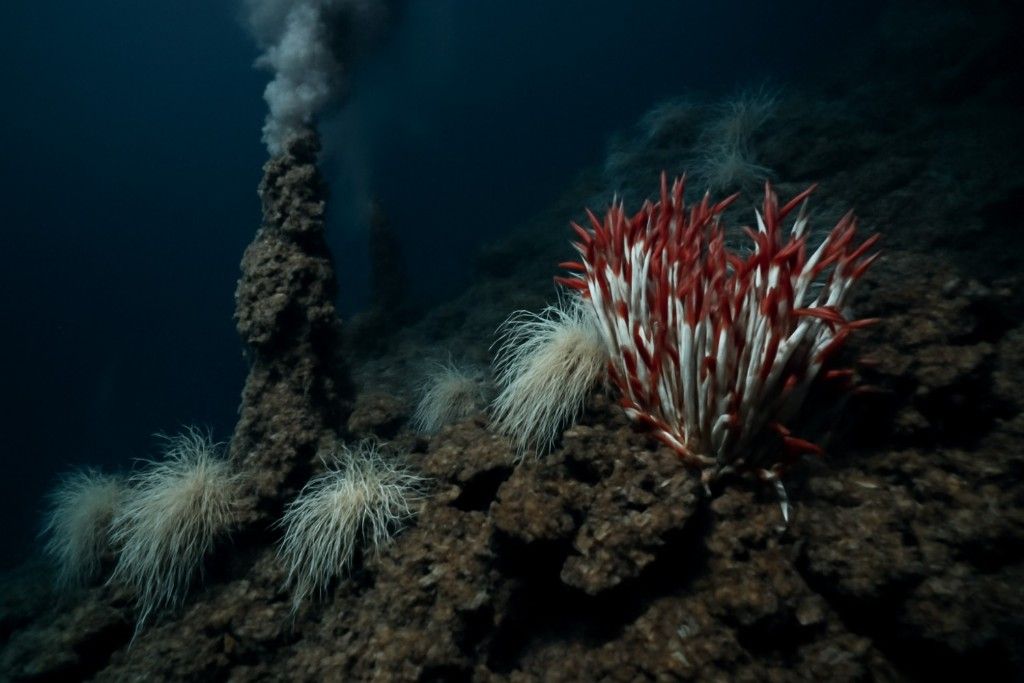
Pyrolobus fumarii plays an integral role in the ecology of hydrothermal vent communities. As part of the microbial community, it contributes to the chemical cycling within the ecosystem, helping to break down sulfur compounds and other minerals in the vent waters.
These processes are crucial for maintaining the balance of the ecosystem, supporting a diverse array of organisms, from microscopic bacteria to large animals like tubeworms, which rely on the energy produced by these microbes for sustenance.
12. Pyrolobus fumarii and Its Potential in Medicine

The study of Pyrolobus fumarii has revealed the potential of its thermophilic enzymes in medicine. These enzymes have been investigated for their applications in drug discovery and the development of diagnostic tools.
Their ability to withstand high temperatures makes them useful in processes such as protein crystallization, which is crucial for understanding the structure of proteins involved in disease. Researchers are also exploring the potential for these enzymes to be used in the creation of new treatments for heat-related disorders or diseases caused by bacterial infections.
13. The Future of Extremophiles in Research

As science continues to explore extreme environments, organisms like Pyrolobus fumarii will remain at the forefront of research into the boundaries of life. The ongoing study of extremophiles helps scientists understand the fundamental principles of biology, especially how life can adapt to extreme conditions.
This research could lead to breakthroughs in biotechnology, medicine, and even space exploration, with the potential to revolutionize fields such as renewable energy, environmental cleanup, and biomanufacturing.
14. Environmental Concerns and Conservation

While hydrothermal vent ecosystems are incredibly resilient, they are not immune to the effects of human activity. Deep-sea mining, pollution, and climate change could pose threats to these fragile environments. The loss of species like Pyrolobus fumarii could have significant ecological consequences. Conservation efforts are necessary to protect these unique ecosystems, ensuring that the organisms within them, including extremophiles, continue to thrive for generations to come.
15. Implications for Future Space Exploration

The study of Pyrolobus fumarii offers exciting possibilities for future space exploration, particularly when searching for life beyond Earth. As scientists continue to explore distant worlds, they are looking for environments that could support life.
The discovery of extremophiles like Pyrolobus fumarii broadens our understanding of where life might exist and what forms it might take. Whether on Mars, Europa, or beyond, the principles learned from Pyrolobus fumarii could help in the search for extraterrestrial life.
Disclaimer: This article is for informational purposes only and does not constitute professional advice. Please consult a qualified professional for specific guidance.