

Have you ever wondered how astronomers uncover the universe’s hidden secrets—things we can’t see with our eyes or even with regular telescopes? That’s where the Chandra X-Ray Observatory comes in. It’s like giving scientists a special pair of glasses that reveal the hottest, most energetic places in space.
From exploding stars to black holes swallowing matter, Chandra helps us explore what would otherwise remain invisible. Its discoveries don’t just expand our knowledge—they inspire future explorers and engineers. And the best part? The lessons from Chandra help us understand our universe more clearly than ever.
1. Seeing the Invisible Universe
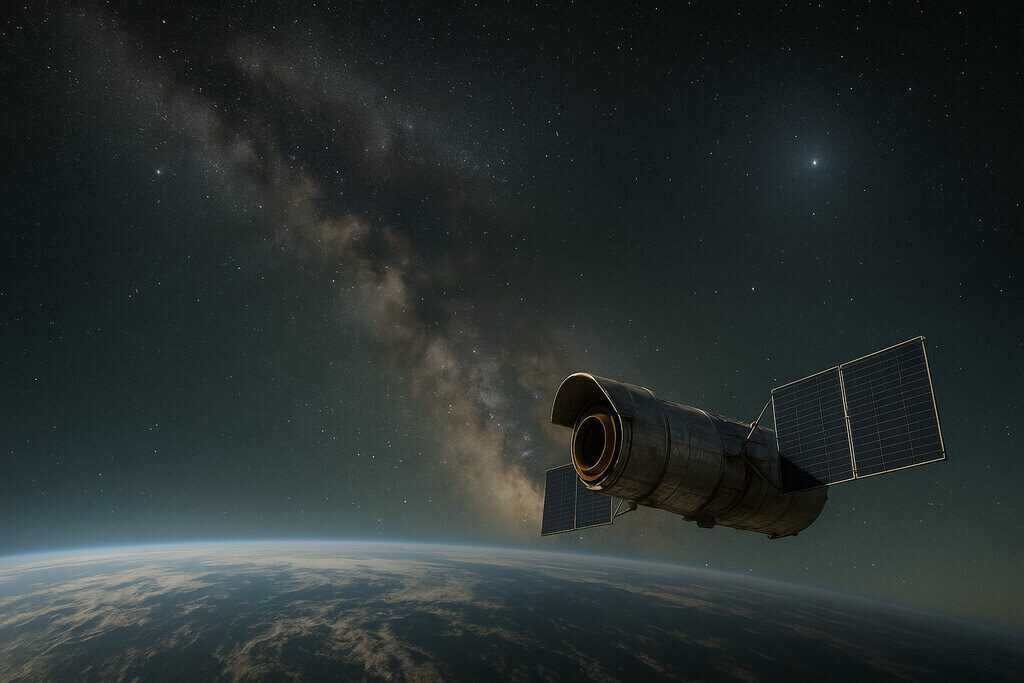
Most objects in space don’t just shine in visible light—they release energy in X-ray form. But human eyes and Earth-based telescopes can’t detect those rays because our atmosphere blocks them. This is great for our safety, but terrible for space science. That’s where Chandra becomes essential. Floating high above Earth, it captures X-rays from cosmic events that would otherwise remain hidden.
This allows astronomers to study things like stellar explosions, violent collisions between galaxies, and the turbulent regions near black holes. Without Chandra, a huge part of the universe would stay unknown. It’s like turning on a light in a dark room—you suddenly see everything that was there the whole time.
2. Studying Black Holes Up Close
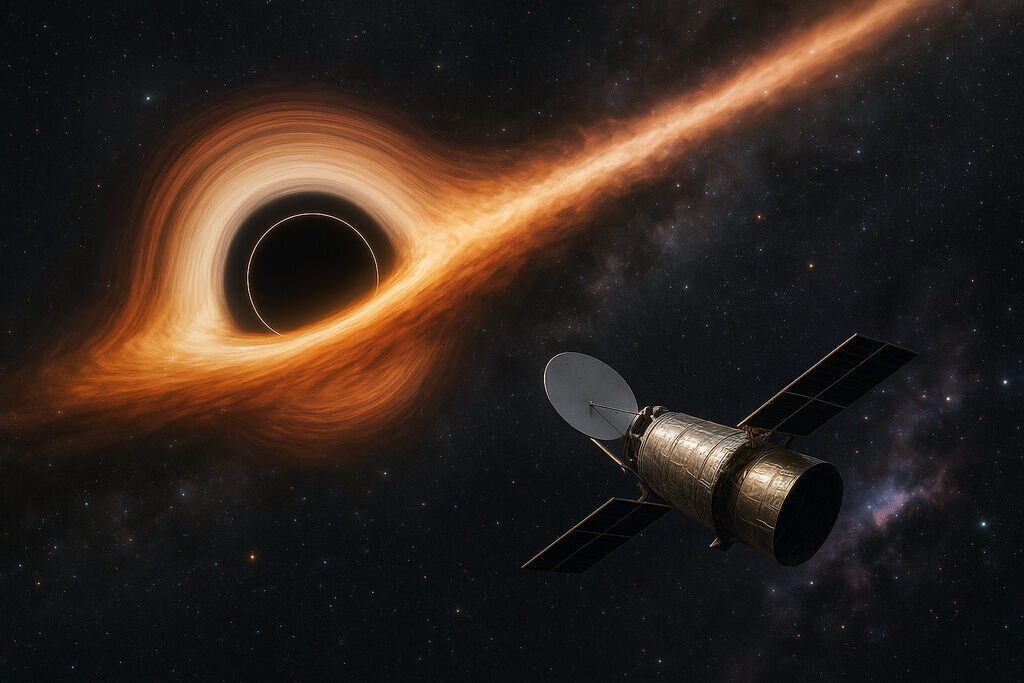
Black holes don’t emit visible light, but when gas and dust spiral toward them, the material heats up to millions of degrees and shines brightly in X-rays. Chandra is powerful enough to detect these signals, giving researchers a front-row seat to one of the universe’s most extreme environments.
Its detailed X-ray images help scientists understand how black holes grow, feed, and affect the galaxies around them. For example, Chandra has captured giant jets of energy blasting out from supermassive black holes—events that shape entire galaxies. By studying these dramatic X-ray signatures, astronomers piece together how black holes influence the cosmic neighborhood.
3. Mapping the Aftermath of Exploding Stars
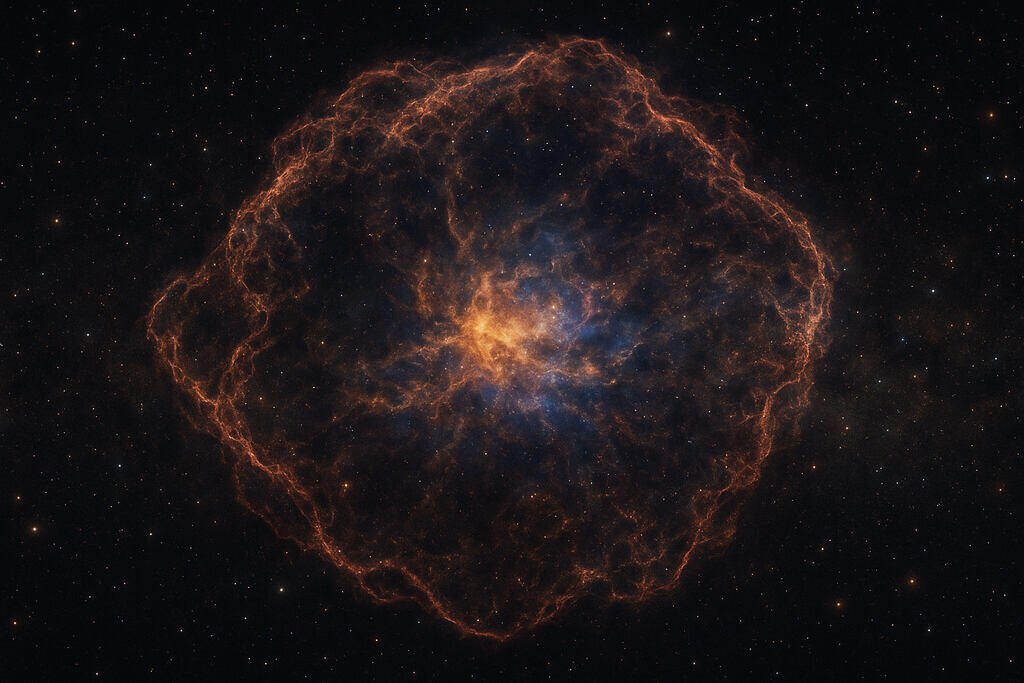
When stars reach the end of their lives, some explode in massive events called supernovae. These explosions scatter elements like carbon, oxygen, and iron—materials later used to build planets and even life. Chandra helps scientists study the “leftovers” of these explosions, known as supernova remnants.
These remnants shine brightly in X-rays because the gas inside them is extremely hot. By mapping their structure and temperature, Chandra reveals how these explosions spread important elements throughout the galaxy. Understanding these processes helps scientists track the cosmic recycling that makes life possible.
4. Helping Discover the Universe’s Hidden Matter
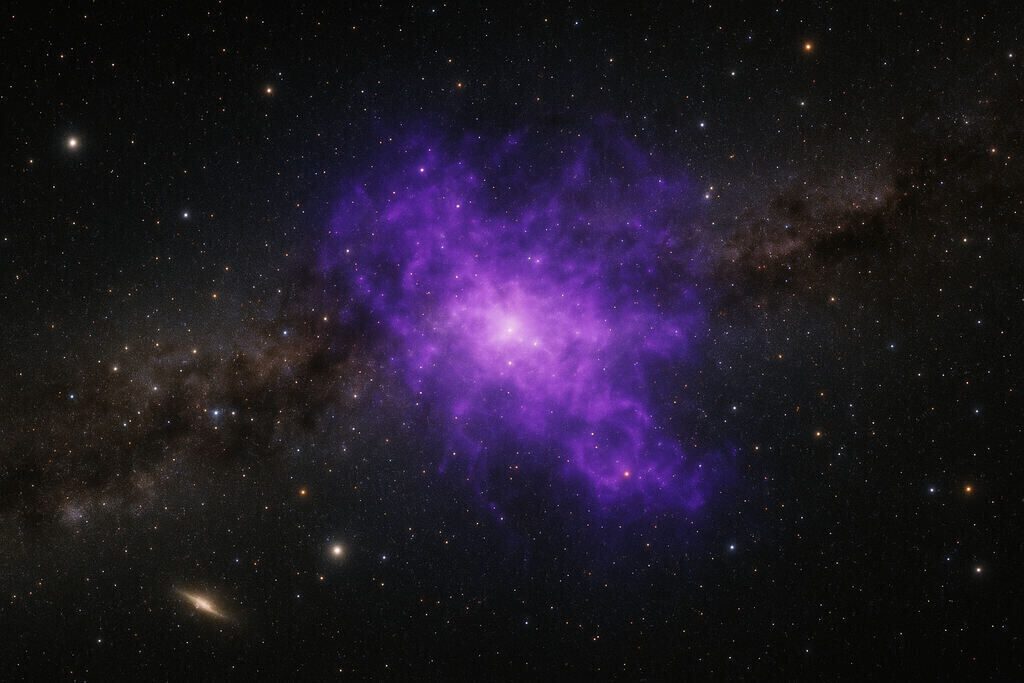
Scientists believe most of the universe’s normal matter isn’t in stars or planets—it’s floating in massive, hot clouds between galaxies. This missing matter is extremely difficult to detect, but Chandra’s X-ray vision makes it possible.
By observing how X-rays pass through or bounce off these hot clouds, Chandra helps identify and measure this invisible material. These discoveries prove that the universe is far more complex than we imagined. Without Chandra, astronomers would still be guessing where this hidden matter is stored.
5. Tracking Galaxy Collisions in Real Time
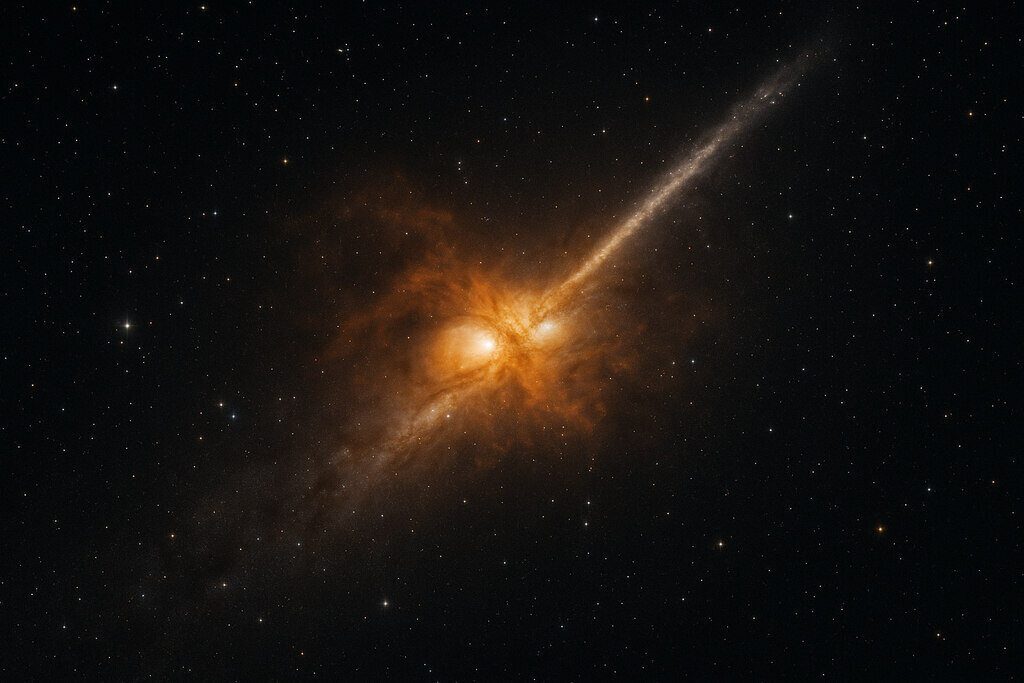
Galaxies collide more often than you might think, and these mergers can reshape the universe. When galaxies crash into each other, their gas clouds heat up dramatically and emit powerful X-rays. Chandra captures these energetic signals, allowing astronomers to study how galaxies merge, mix, and evolve.
For instance, Chandra’s observations of the famous “Bullet Cluster” revealed important clues about dark matter. These findings help scientists understand how galaxies grow and why some develop massive star-forming regions while others become quiet and inactive.
6. Revealing the Life Cycle of Stars
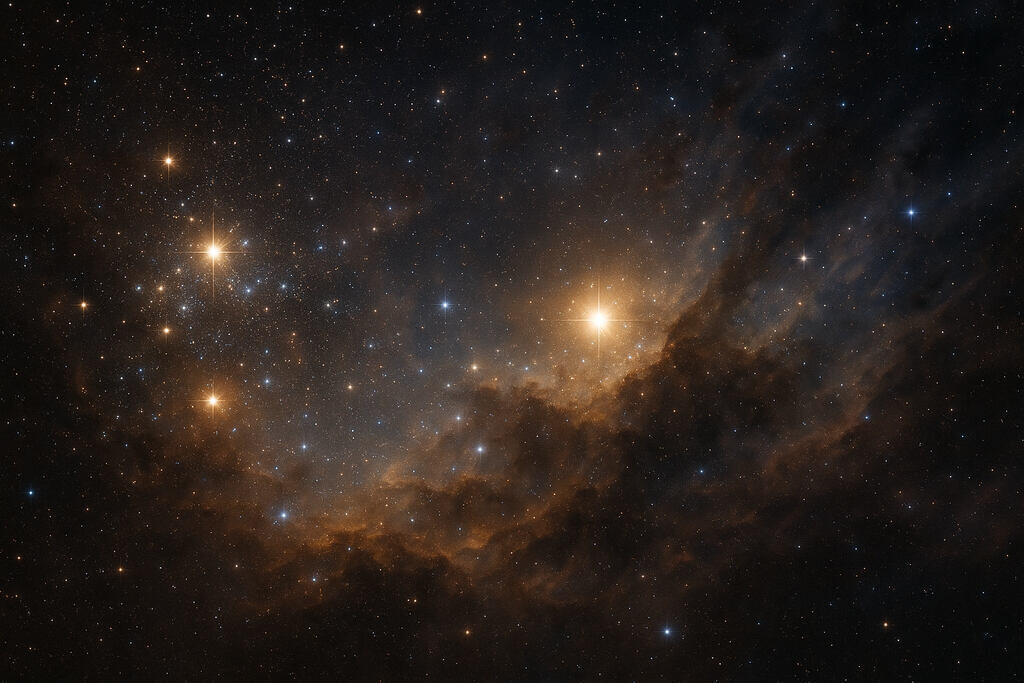
Chandra helps scientists watch stars throughout their entire life cycle—from birth to collapse. Young stars often release bursts of energetic X-rays as they form, while older stars give off different patterns as they age. By studying these X-ray signatures, astronomers can track how stars evolve and how they eventually die. This information helps explain how solar systems form and why some planets end up being habitable. Without Chandra, major parts of stellar evolution would remain mysterious.
7. Understanding Neutron Stars and Pulsars
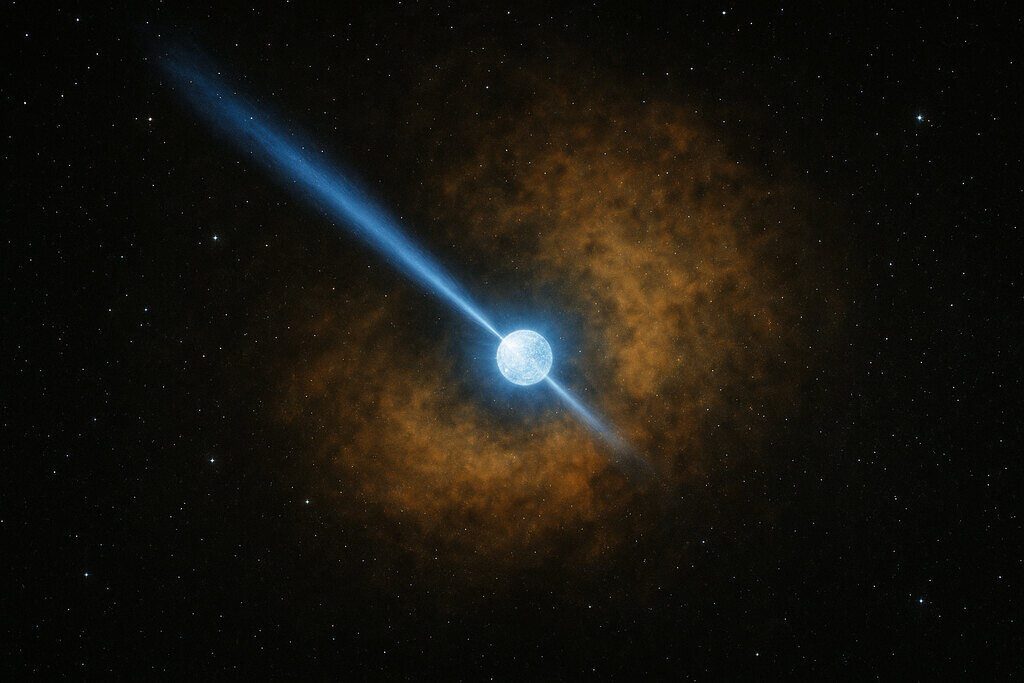
Neutron stars are some of the strangest objects in the universe. They’re the collapsed cores of massive stars—so dense that a teaspoon of material would weigh billions of tons. Many neutron stars spin rapidly, creating beams of energy like cosmic lighthouses.
These are called pulsars. Chandra’s X-ray sensitivity allows scientists to study their powerful magnetic fields, intense heat, and high-energy emissions. By observing these exotic objects, Chandra helps researchers uncover physics that can’t be replicated on Earth.
8. Learning How Galaxies Grow and Change
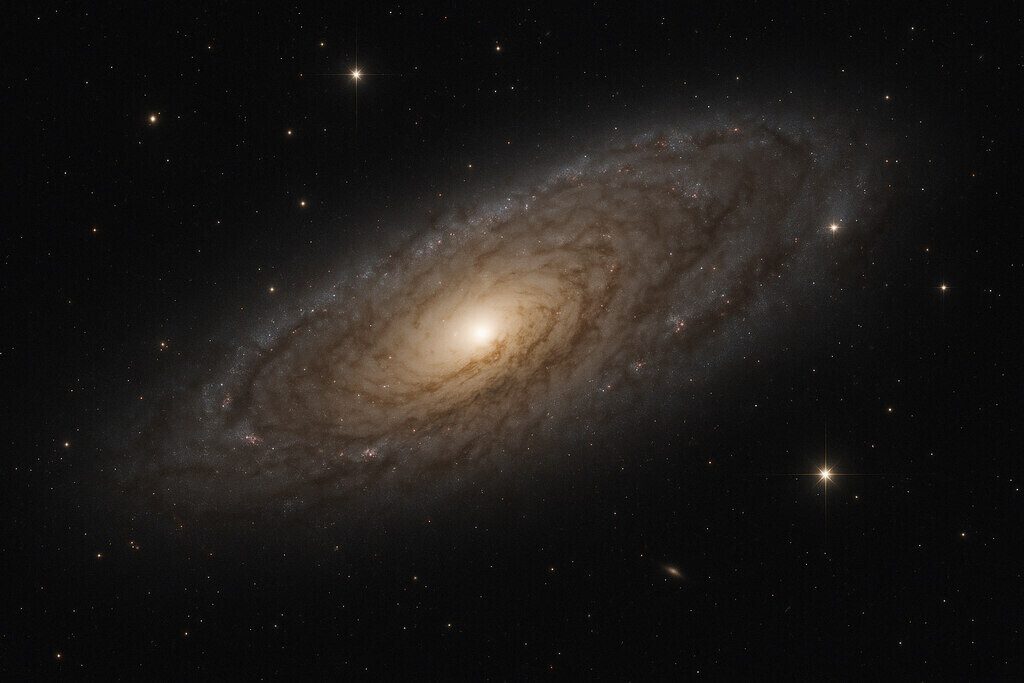
Galaxies aren’t static—they evolve over billions of years. One of the key drivers of this evolution is the powerful activity happening in their cores, especially around supermassive black holes. Chandra detects the hot, energetic regions at the centers of galaxies, revealing how black holes influence star formation and gas movement.
These insights help astronomers understand why some galaxies form new stars for billions of years, while others stop early. Chandra’s images provide the “missing pieces” needed to complete the story of galaxy evolution.
9. Helping Scientists Understand Dark Matter
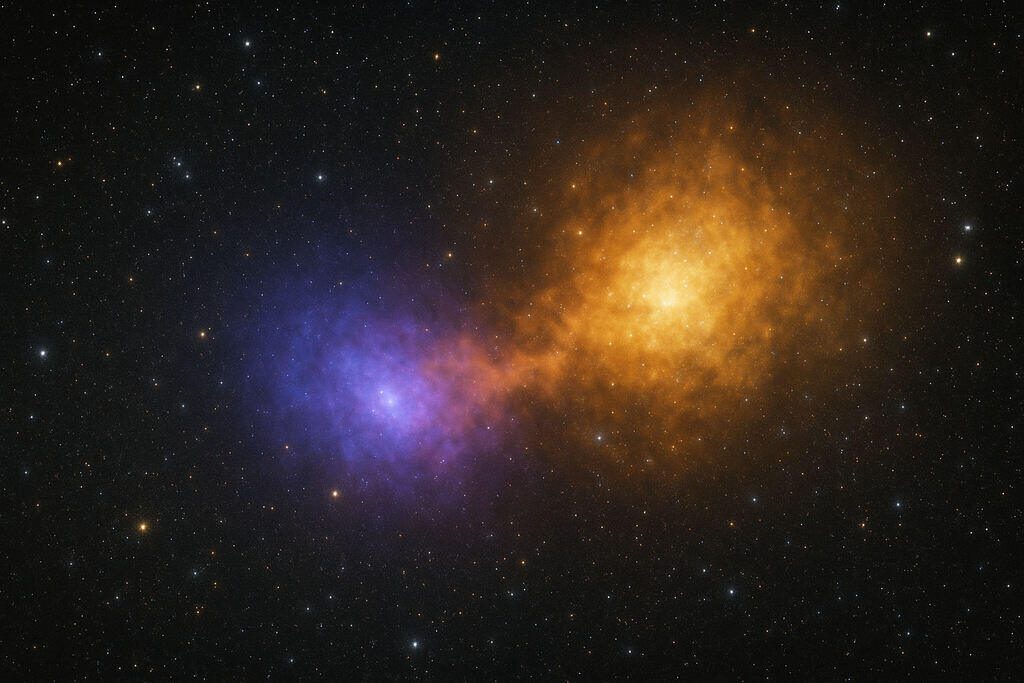
Dark matter doesn’t emit light, so scientists can’t see it directly. But they can detect its effects—especially in collisions between galaxy clusters. Chandra played a major role in one of the most important dark matter discoveries: the Bullet Cluster observation.
By comparing X-ray gas clouds with gravitational data, scientists confirmed that most of the mass in the cluster was invisible. This gave strong evidence for dark matter. Without X-ray observations from Chandra, these groundbreaking conclusions would have been impossible.
10. Monitoring Cosmic Weather
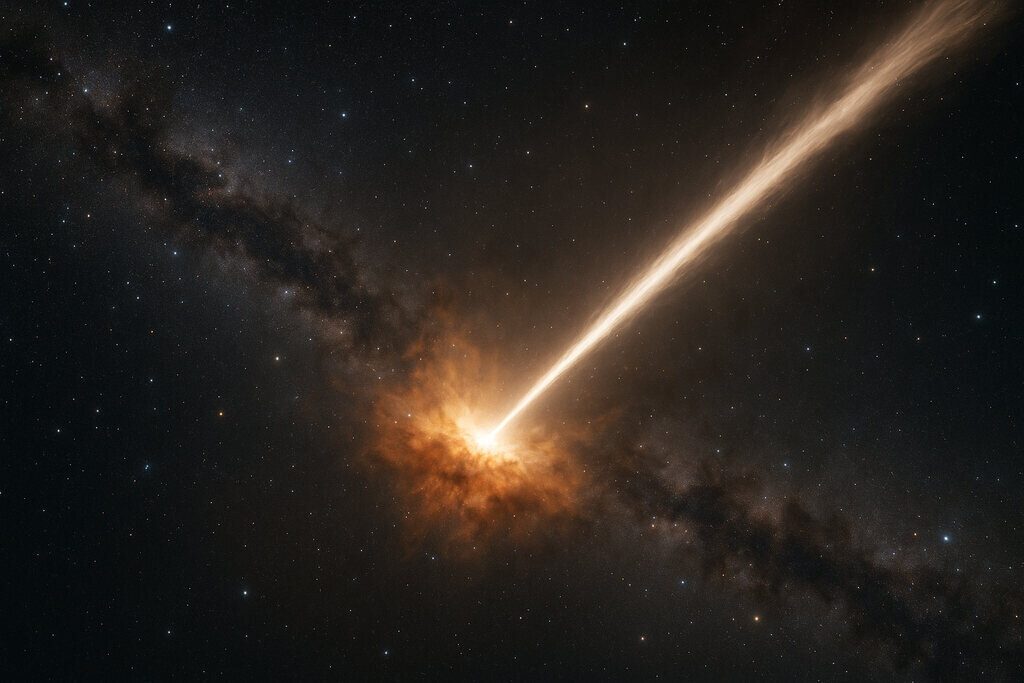
Just like Earth has storms, the universe has its own kind of weather—bursts of radiation, energetic winds, and violent eruptions from stars and black holes. Chandra helps monitor these extreme events. For example, when a star gets too close to a black hole, it can be torn apart in a violent flare of X-rays. Chandra detects these sudden changes and helps scientists understand how often they happen and what triggers them. These observations also teach us more about how radiation spreads through space.
11. Improving Space Safety for Future Missions
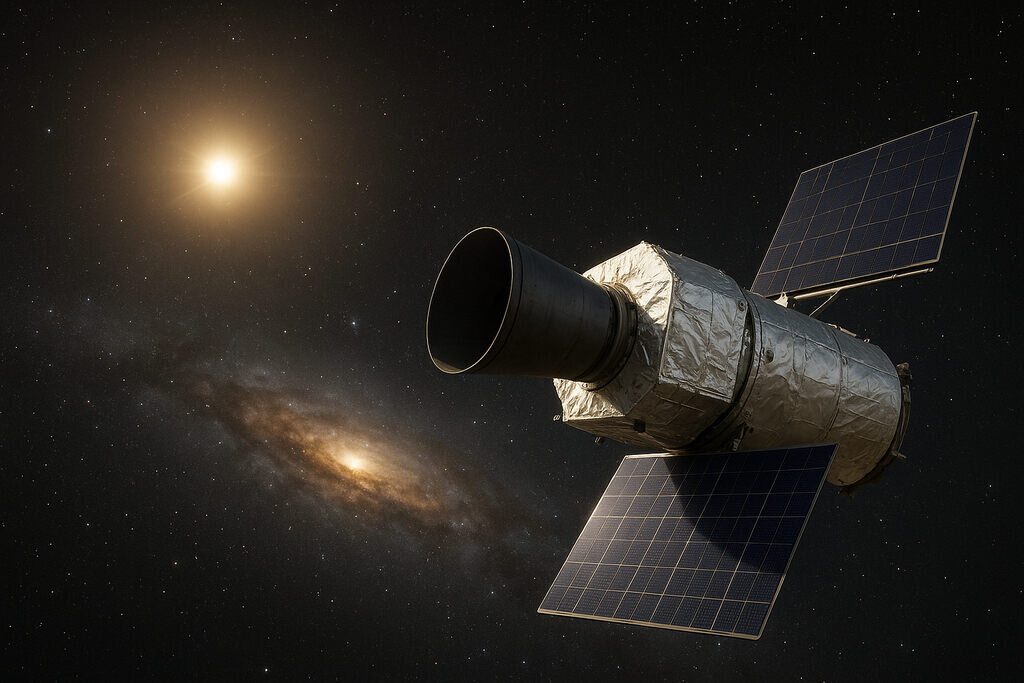
The universe may look peaceful, but space is filled with dangerous radiation. High-energy particles from stars and black holes can affect astronauts, satellites, and future deep-space missions. By studying X-ray emissions, Chandra helps researchers understand where these hazards come from and how intense they can be. This information plays a crucial role in designing safer spacecraft and planning human missions to Mars or beyond. Chandra’s data helps ensure that future explorers travel with better protection.
12. Providing High-Resolution X-Ray Images
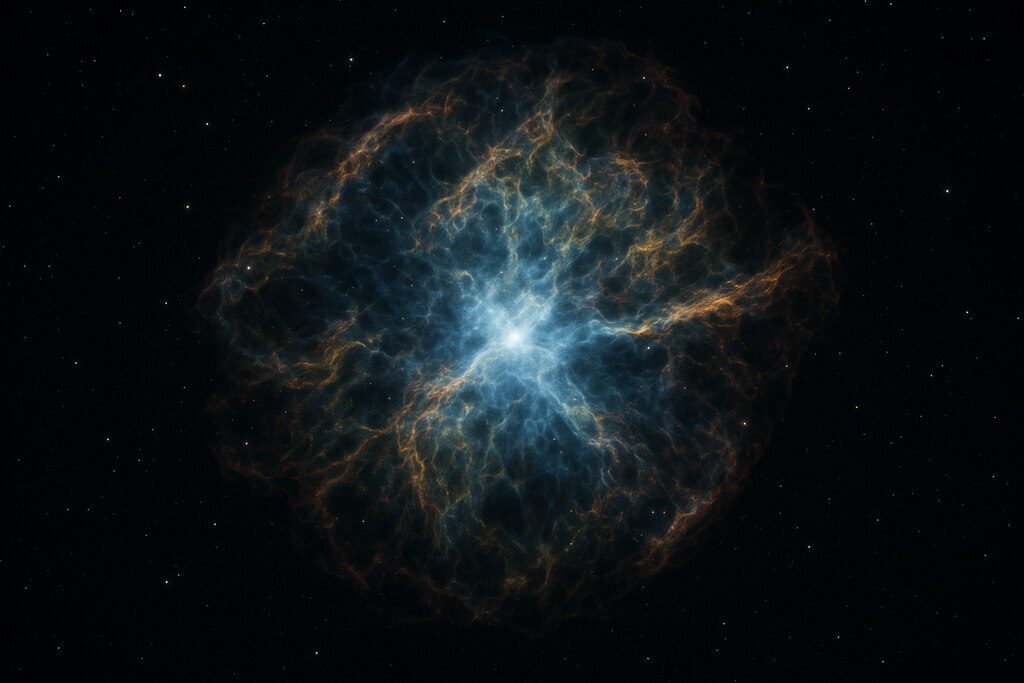
Chandra is famous for producing incredibly sharp X-ray images—up to 10 times clearer than any previous X-ray telescope. This level of detail helps scientists study fine structures in objects like supernova remnants, jets from black holes, and clusters of galaxies.
Sharp images allow astronomers to measure distances, temperatures, motion, and chemical makeup with impressive accuracy. This precision leads to more reliable scientific conclusions and fewer mistakes in interpreting X-ray data. In short, Chandra turns cosmic chaos into something we can clearly understand.
13. Supporting Multi-Wavelength Astronomy
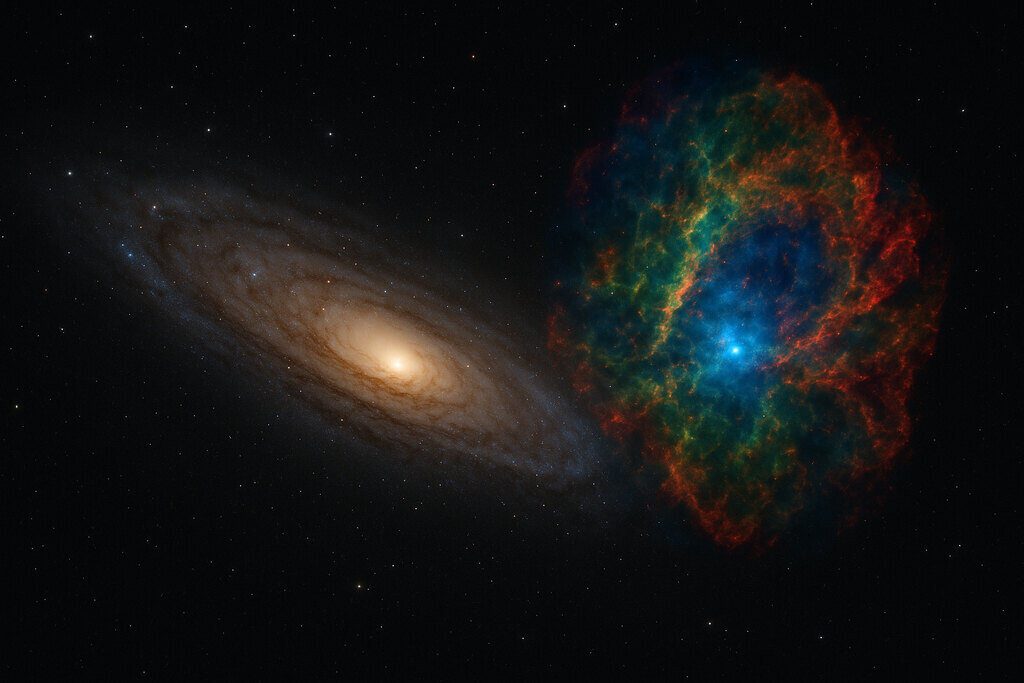
No single telescope can reveal the entire picture of an object. Astronomers combine data from multiple observatories—optical, radio, infrared, and X-ray—to understand celestial phenomena fully. Chandra is the X-ray “specialist” in this team. For example, studying a galaxy with both the Hubble Space Telescope and Chandra allows researchers to compare visible and X-ray activity. This multi-wavelength approach leads to breakthroughs that no single telescope could achieve. Chandra’s role in this collaboration is unique and irreplaceable.
14. Detecting the Earliest Structures in the Universe
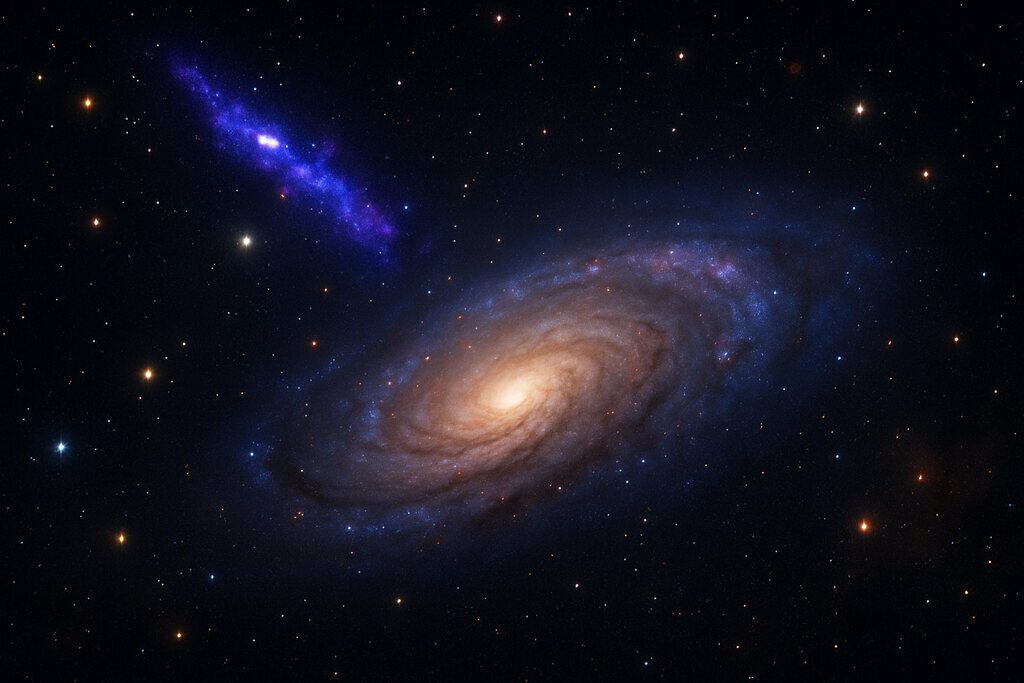
Long ago, shortly after the Big Bang, the first stars and black holes formed. These young cosmic structures released powerful X-rays that can still be detected today. Chandra helps scientists study these ancient signals, offering clues about how the early universe evolved. By analyzing faint X-ray patterns, researchers can estimate when the first galaxies formed and how they grew. This helps fill significant gaps in our understanding of cosmic history and the universe’s timeline.
15. Inspiring the Next Generation of Explorers
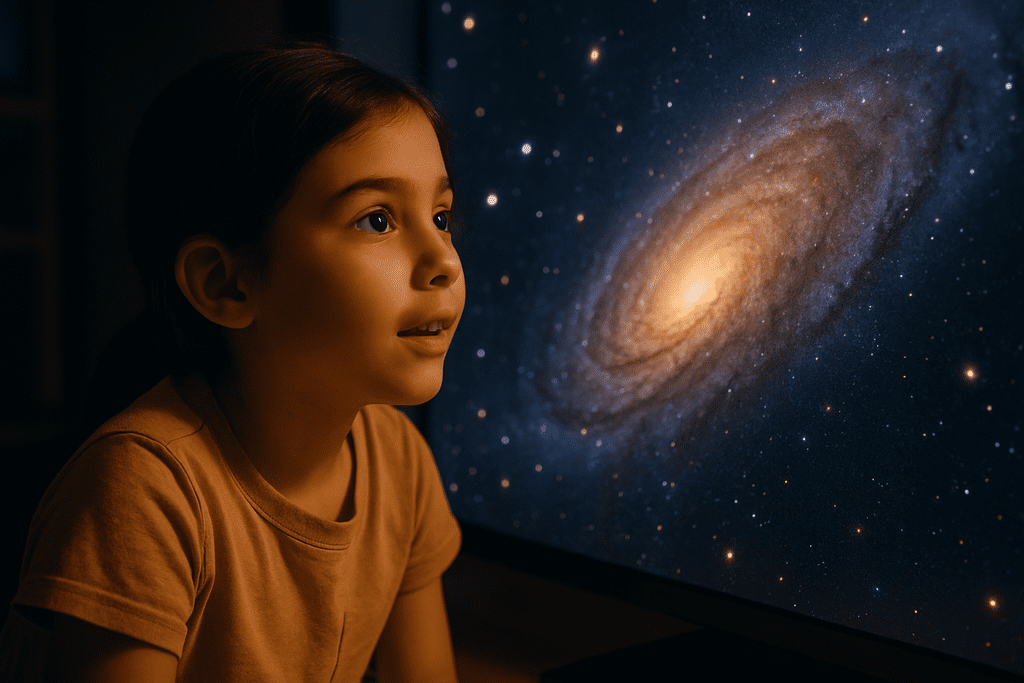
Beyond its scientific value, Chandra fuels curiosity and imagination. Its images are shared in classrooms, museums, and documentaries, sparking questions from young learners: “How big is a black hole?” “Where do stars come from?”
Real-life stories of scientists using Chandra data show students that space exploration isn’t just for astronauts—it includes engineers, artists, programmers, and problem-solvers. By inspiring wonder, Chandra plays a powerful role in shaping the next generation of thinkers who will design future missions and explore farther than ever before.