
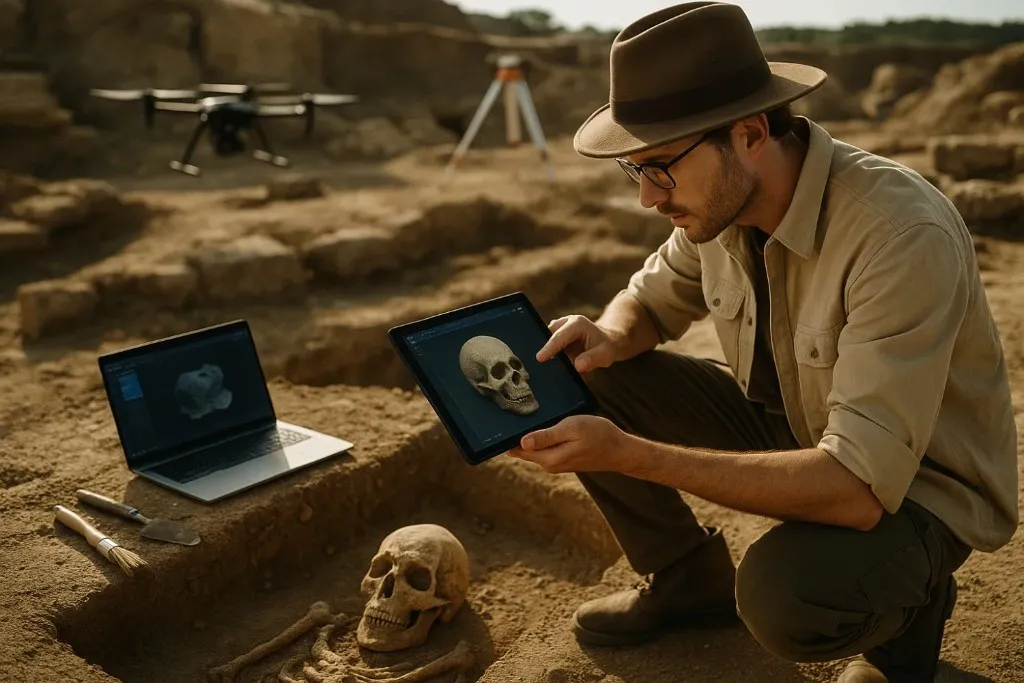
The field of archaeology has always been dedicated to uncovering the secrets of the past, but in recent decades, technology has completely transformed the way archaeologists conduct their research. Modern advancements are allowing experts to explore ancient sites and artifacts in ways that were once unimaginable.
From the use of drones to the application of artificial intelligence, technology is enhancing the accuracy and efficiency of archaeological discoveries. As technology continues to evolve, its role in archaeology is becoming even more pivotal, making it an exciting time for both archaeologists and history enthusiasts alike.
1. Drones: Revolutionizing Aerial Surveys
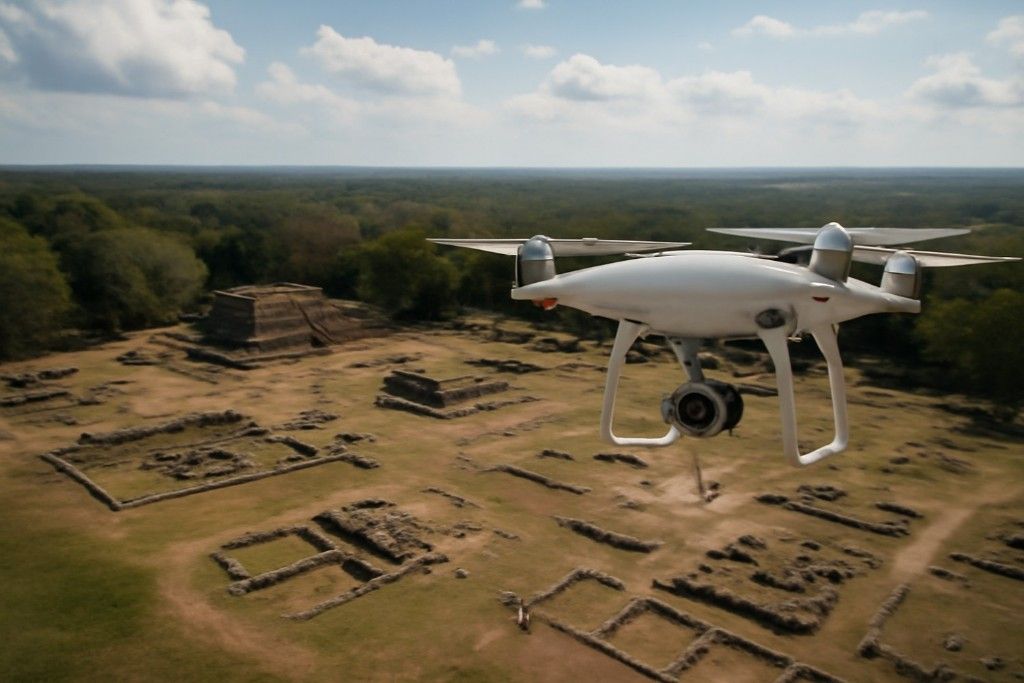
Drones have become an invaluable tool in modern archaeology, especially for surveying large or hard-to-reach areas. Archaeologists use drones to capture high-resolution aerial imagery and create detailed maps of excavation sites. For example, drones have been used to survey the ancient Maya city of Caracol in Belize, where they helped uncover previously unknown structures and canals.
By using drones, archaeologists can save time, reduce the need for invasive excavation, and monitor sites over time to track changes. This technology is also crucial in environments that are dangerous or difficult to access, like remote deserts or dense jungles.
2. Ground-Penetrating Radar (GPR): Uncovering Hidden Structures
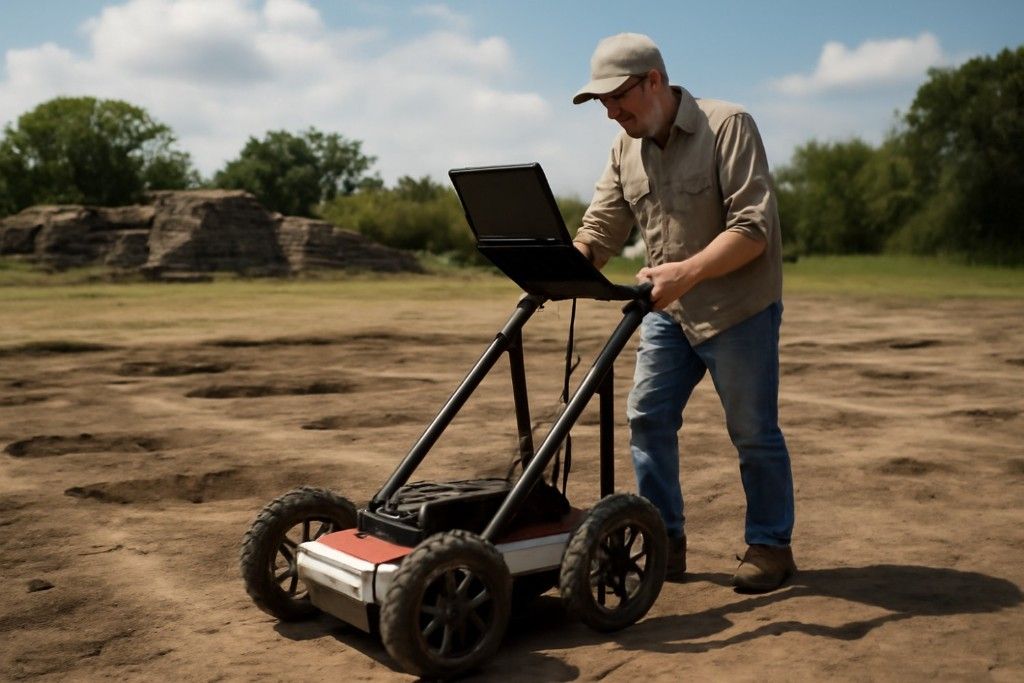
Ground-penetrating radar (GPR) is a non-invasive technique that allows archaeologists to see what lies beneath the ground without disturbing the soil. GPR sends electromagnetic waves into the ground and measures the reflected signals to create images of underground features.
This technology has been used in numerous archaeological digs, including the search for ancient burial sites and ruins. In places like Egypt, GPR has been instrumental in locating hidden chambers inside pyramids. The ability to “look” underground without excavation has dramatically increased the efficiency and effectiveness of archaeological fieldwork.
3. 3D Imaging and Laser Scanning: Creating Digital Replicas
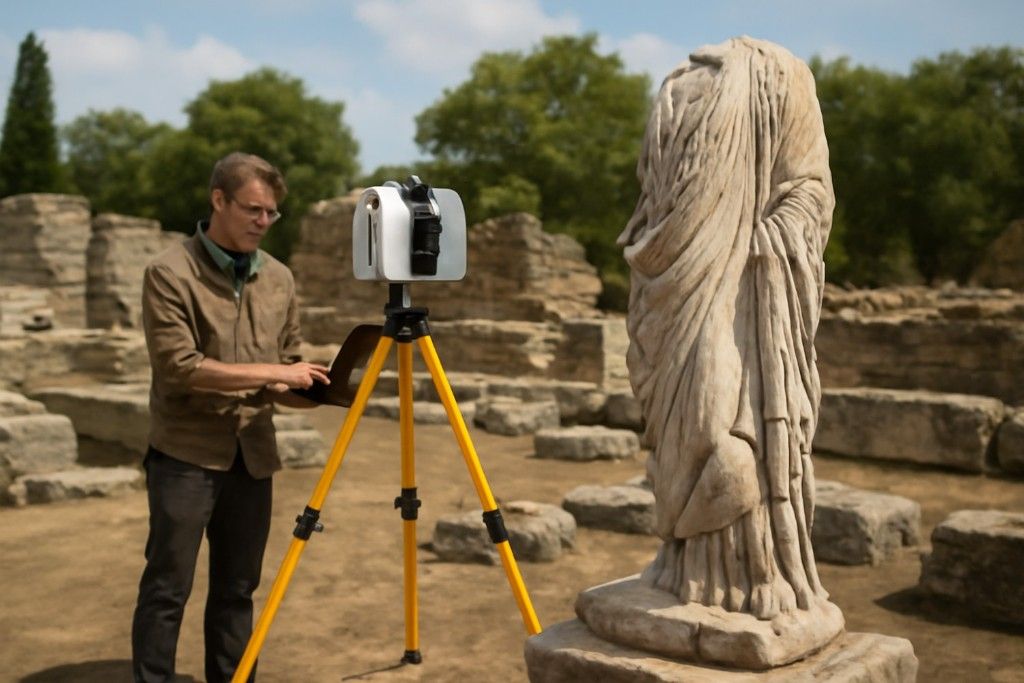
3D imaging and laser scanning technologies have revolutionized how archaeologists preserve and study artifacts and sites. By scanning objects and structures with lasers, archaeologists can create accurate digital models that can be studied in detail from anywhere in the world.
For example, the 3D scanning of ancient monuments like Stonehenge and the Colosseum has allowed researchers to analyze wear patterns and structural integrity without physically disturbing the sites. Additionally, these digital replicas serve as virtual archives that can be shared, preserving cultural heritage for future generations.
4. Artificial Intelligence: Enhancing Data Analysis

Artificial intelligence (AI) is playing an increasingly significant role in archaeology, enabling researchers to analyze large volumes of data quickly and accurately. AI-powered software can sift through thousands of artifacts, decipher ancient scripts, and even predict the location of undiscovered archaeological sites.
For instance, AI has been used to help translate ancient texts and identify patterns in pottery styles, which may indicate trade routes or cultural exchanges. By leveraging AI, archaeologists can make connections that might have taken years to uncover manually, speeding up the research process and opening up new possibilities for discovery.
5. Geographic Information Systems (GIS): Mapping Ancient Worlds
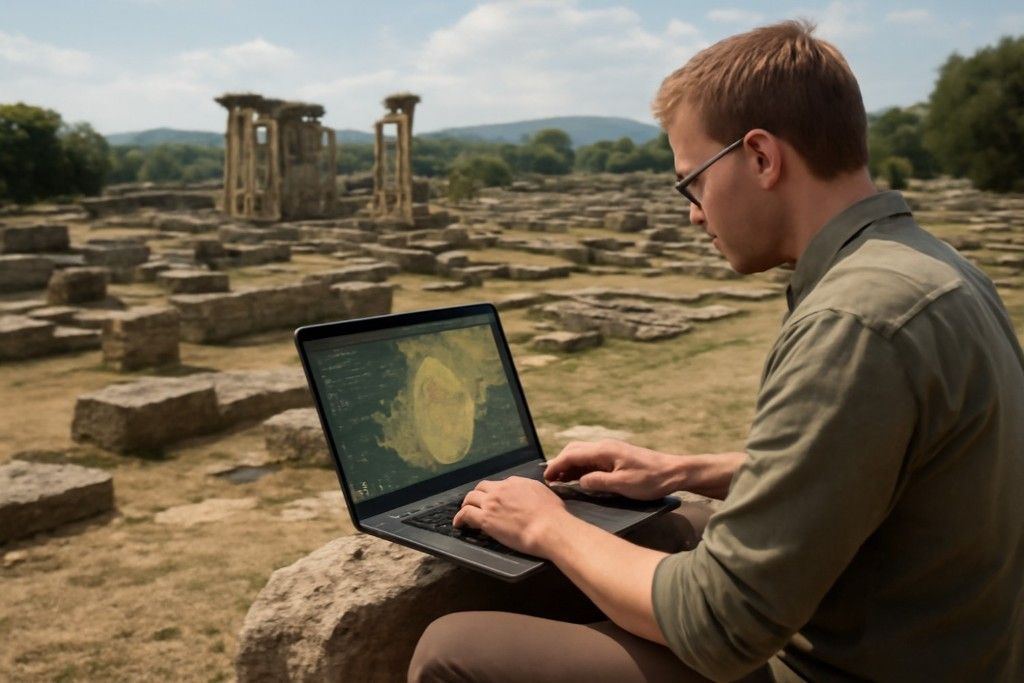
Geographic Information Systems (GIS) allow archaeologists to create detailed maps and models of archaeological sites, highlighting the spatial relationships between various features. GIS software combines traditional maps with satellite imagery, topographical data, and historical records to produce sophisticated spatial analyses.
This tool is invaluable for understanding ancient landscapes, urban planning, and settlement patterns. For example, GIS has been used in the study of ancient Rome to analyze the distribution of temples, roads, and other urban features. By overlaying ancient maps with modern data, archaeologists can recreate past environments and gain insights into how ancient societies functioned.
6. Remote Sensing: Seeing the Past from a Distance
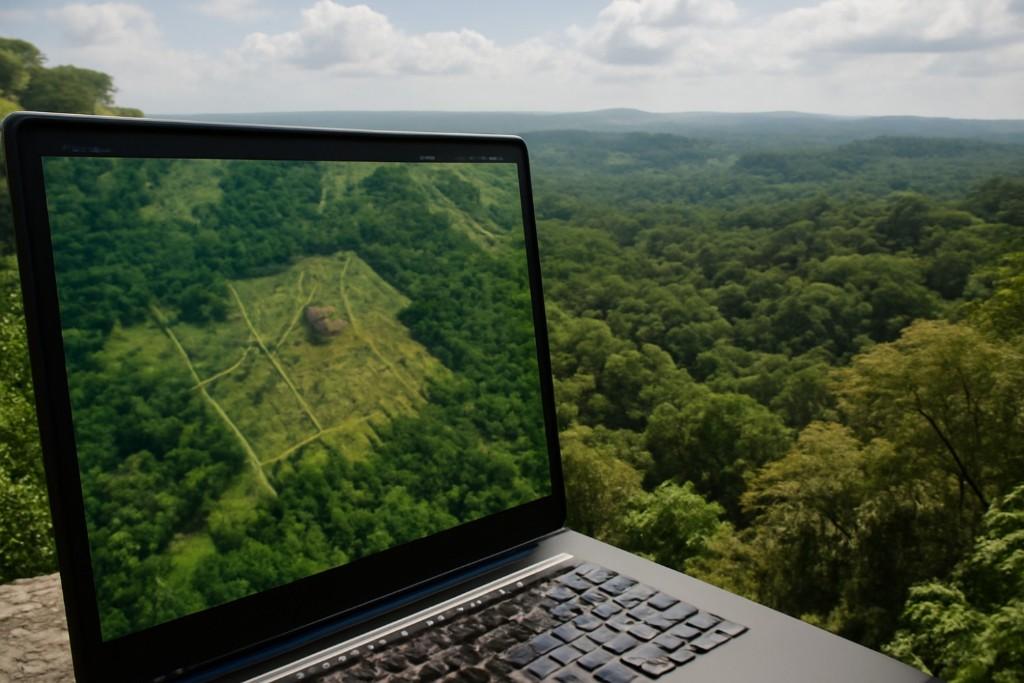
Remote sensing technologies, which include satellite imagery and LiDAR (Light Detection and Ranging), enable archaeologists to study ancient sites from afar. These technologies can penetrate dense vegetation, such as rainforests, to reveal hidden structures that would be nearly impossible to find through traditional fieldwork alone.
In Central America, LiDAR has uncovered entire ancient Maya cities beneath the jungle canopy, providing a detailed picture of the civilization’s urban landscape. Remote sensing allows archaeologists to identify promising excavation sites, saving time and resources by narrowing down search areas before ground-level investigations begin.
7. Virtual Reality (VR): Immersive Archaeological Exploration
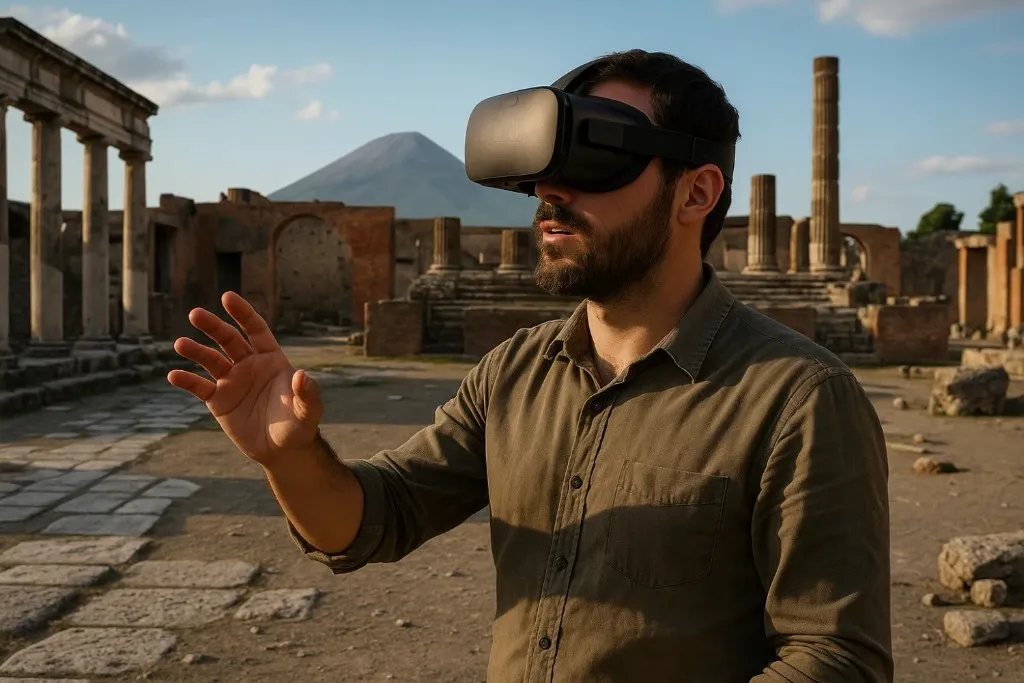
Virtual reality (VR) is transforming the way archaeologists and the public interact with ancient history. VR allows users to explore 3D reconstructions of archaeological sites, offering a fully immersive experience. For example, VR has been used to recreate the ancient city of Pompeii, allowing visitors to experience it as it would have appeared before the eruption of Mount Vesuvius.
These virtual tours not only help educate the public about historical sites but also give archaeologists a tool for studying the layout and structure of ancient cities in ways that would be impossible through excavation alone.
8. DNA Analysis: Unlocking the Past Through Genetics

DNA analysis is providing valuable insights into ancient populations, their movements, and their relationships with other cultures. Archaeologists are now able to extract DNA from ancient human remains, animals, and plants to trace genetic lineage and understand past health, diets, and even migration patterns.
For instance, genetic analysis of ancient human remains from the Viking Age has revealed surprising information about the spread of Viking ancestry across Europe. This technology allows for a more comprehensive understanding of human history, expanding beyond artifacts and physical structures.
9. Digital Databases: Organizing and Sharing Archaeological Knowledge
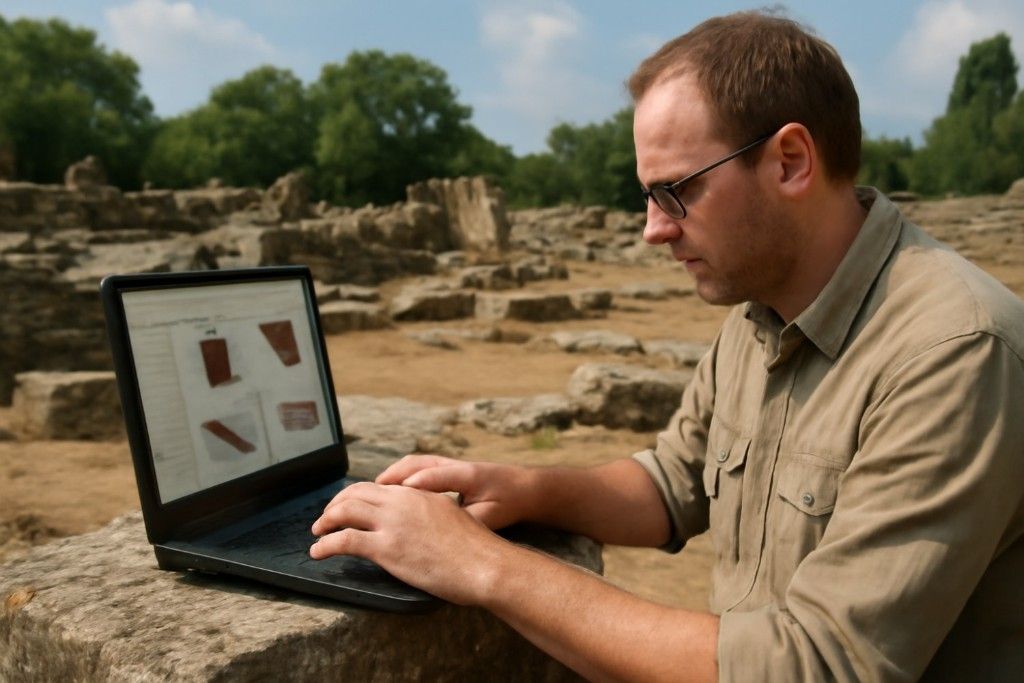
Digital databases have become essential tools for archaeologists to store, manage, and share vast amounts of data collected from excavations. These databases allow researchers to catalog artifacts, photographs, and field notes in a centralized and easily accessible format.
The Archaeological Data Service, for example, provides access to a wealth of archaeological data from all over the world. By centralizing information, these databases promote collaboration and ensure that valuable research is preserved and made available for future study, helping to build a global archaeological community.
10. Photogrammetry: Creating 3D Models from Photographs
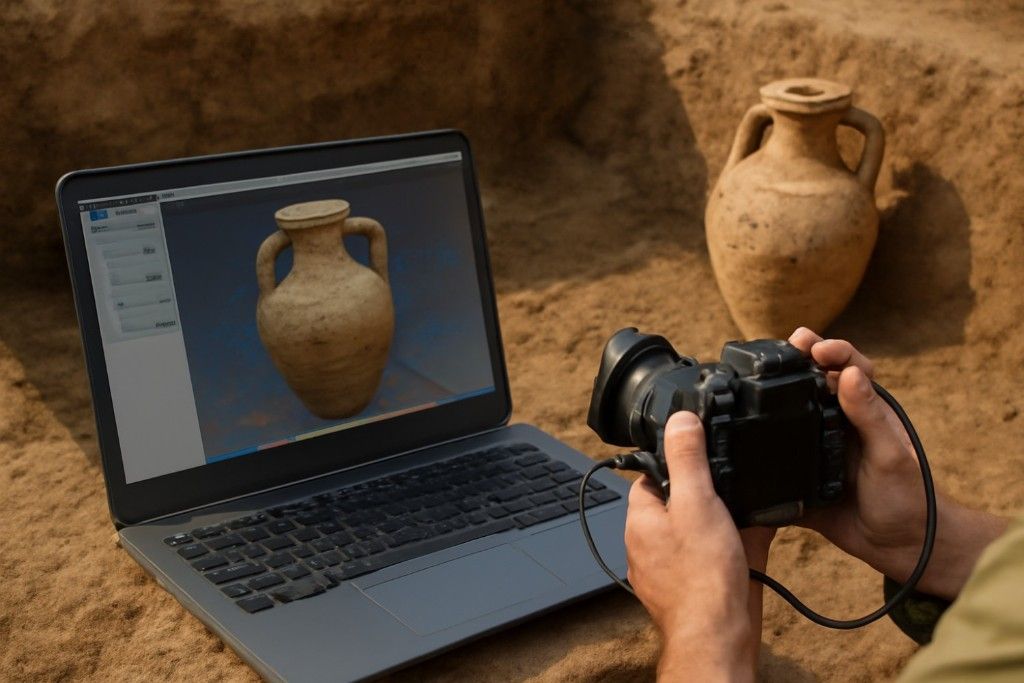
Photogrammetry involves using photographs to create precise 3D models of objects, structures, and landscapes. Archaeologists use this technology to document and study artifacts and excavation sites in great detail.
By taking a series of overlapping photographs from different angles, photogrammetry software can stitch them together to create highly accurate 3D representations. This technique has been particularly useful for preserving fragile or deteriorating objects, allowing them to be digitally replicated and studied without physical handling.
11. Robotics: Assisting in Excavation and Preservation

Robots and automated machines are playing a larger role in excavation and preservation efforts, particularly in dangerous or hard-to-reach areas. In Egypt, robots have been used to navigate narrow tomb passages, reducing the risk of damage to delicate environments and artifacts.
Robotic systems equipped with tools like drills, cameras, and sensors can excavate sites with precision, and they can be programmed to work in hazardous conditions like extreme heat or high altitudes. These innovations are particularly important for preserving sites that are at risk of being destroyed by human activity or natural disasters.
12. High-Resolution Imaging: Capturing Minute Details
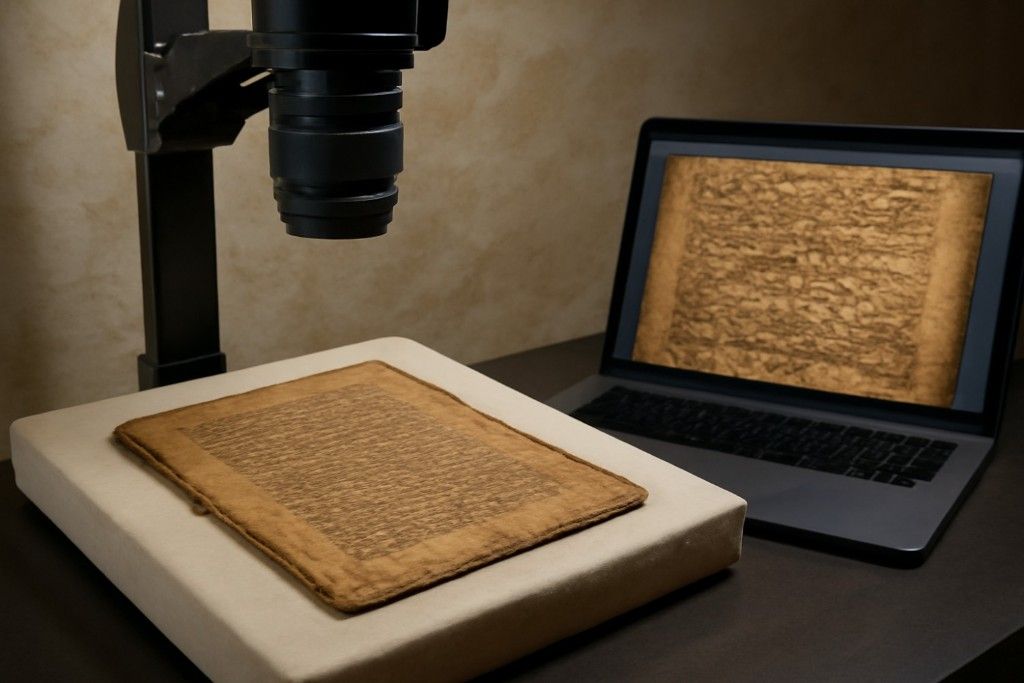
High-resolution imaging technologies, such as multi-spectral and hyperspectral imaging, allow archaeologists to study artifacts in extraordinary detail. These technologies capture images that reveal details invisible to the naked eye, such as hidden writing or faint designs on ancient manuscripts.
In the study of the Dead Sea Scrolls, for instance, advanced imaging techniques have allowed researchers to read previously unreadable portions of the texts. This technology not only aids in research but also ensures that even the smallest details are captured and preserved for future analysis.
13. Carbon Dating: Understanding Ancient Timeframes
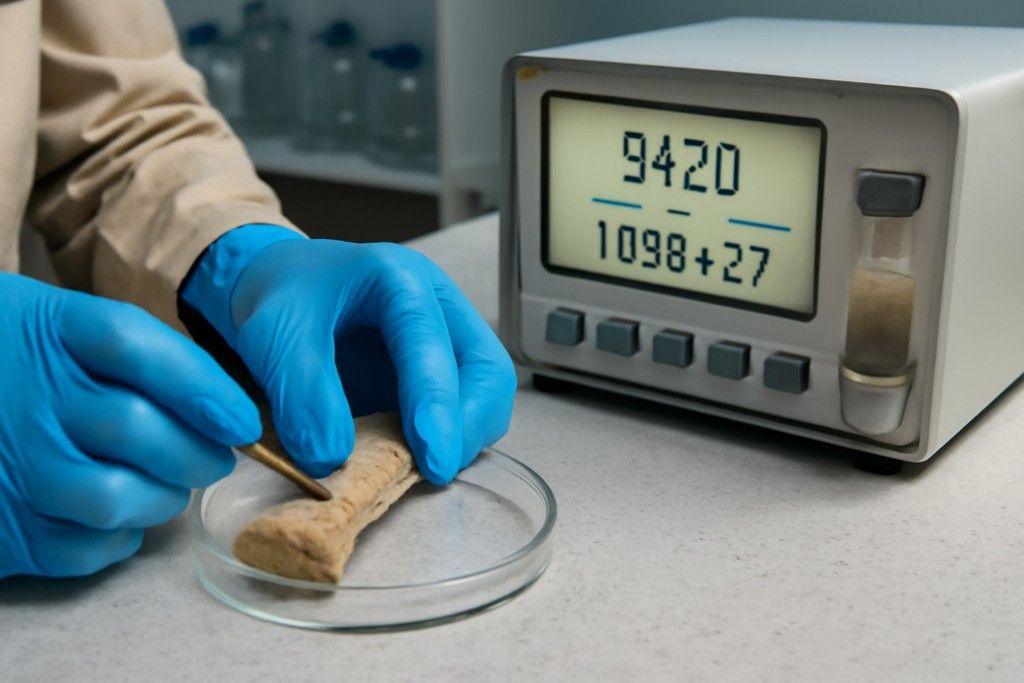
Carbon dating is one of the most crucial techniques for determining the age of archaeological finds. By measuring the decay of radioactive carbon isotopes in organic materials, archaeologists can estimate the time when an artifact or bone was created.
This method has helped date some of the most significant archaeological discoveries, including the remains of ancient civilizations and prehistoric humans. While carbon dating has its limitations, especially when applied to very old or contaminated samples, it remains a cornerstone in the field of dating and chronology.
14. 3D Printing: Reconstructing Lost Artifacts
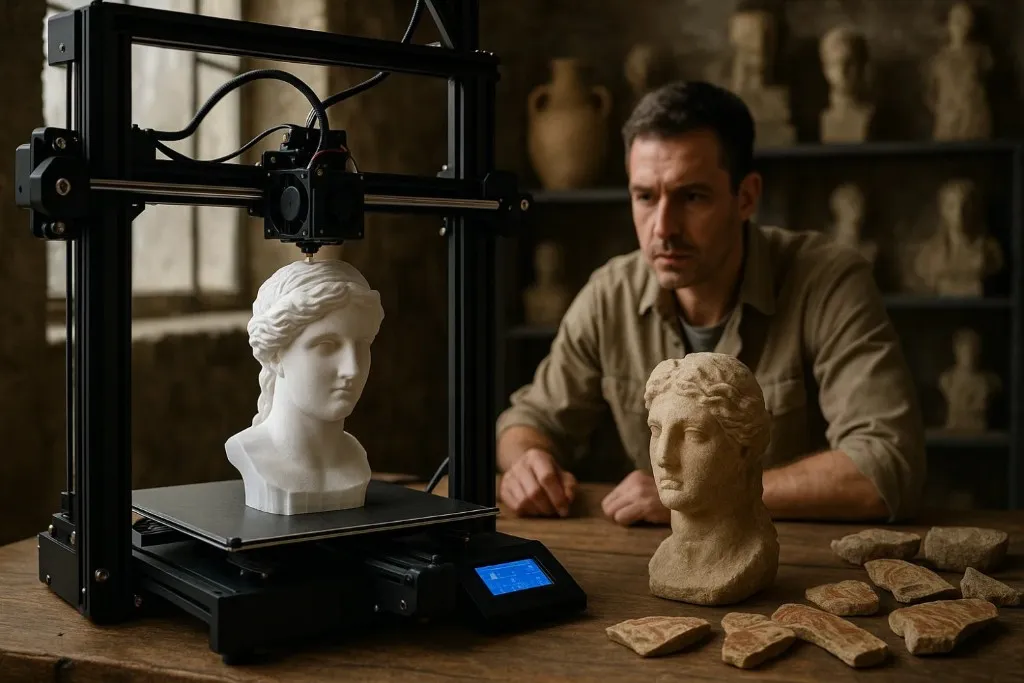
3D printing technology is enabling archaeologists to recreate missing or damaged parts of artifacts and structures, allowing them to study them in greater detail. For example, 3D printing has been used to reconstruct broken statues and pottery shards, enabling experts to visualize how these items might have originally appeared.
This technology not only aids in research but also plays a vital role in public exhibitions, where replicas of fragile artifacts are displayed for educational purposes. 3D printing is also providing a new way to preserve cultural heritage by creating tangible models that can be stored or exhibited.
15. Multi-Modal Data Collection: Combining Different Technologies

One of the most powerful trends in modern archaeology is the combination of multiple technologies to collect and analyze data. By integrating tools like GPR, drones, and GIS, archaeologists can create a more comprehensive understanding of a site.
For example, multi-modal data collection has been used to map the layout of ancient cities, while simultaneously identifying buried structures and analyzing soil composition. This approach not only provides a more complete picture of past civilizations but also allows researchers to corroborate findings using various methods.
16. Augmented Reality (AR): Enhancing Site Interpretation
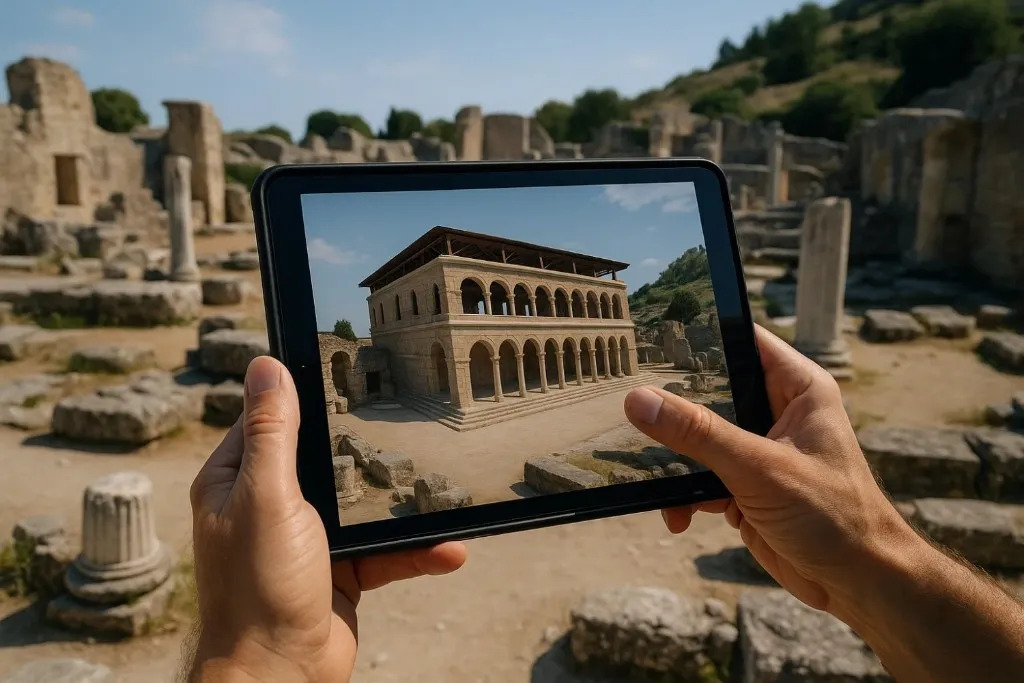
Augmented reality (AR) is being used in archaeological sites to enhance visitors’ understanding of the past. By overlaying digital images on the physical world, AR enables users to see reconstructions of ancient structures or artifacts in their original context.
At archaeological sites such as Pompeii and the Acropolis, AR apps allow visitors to view how buildings might have looked when they were intact, helping them visualize history in a more interactive and engaging way. For archaeologists, AR also offers the ability to analyze and interpret site data in real-time during fieldwork.
17. Thermal Imaging: Detecting Subsurface Features
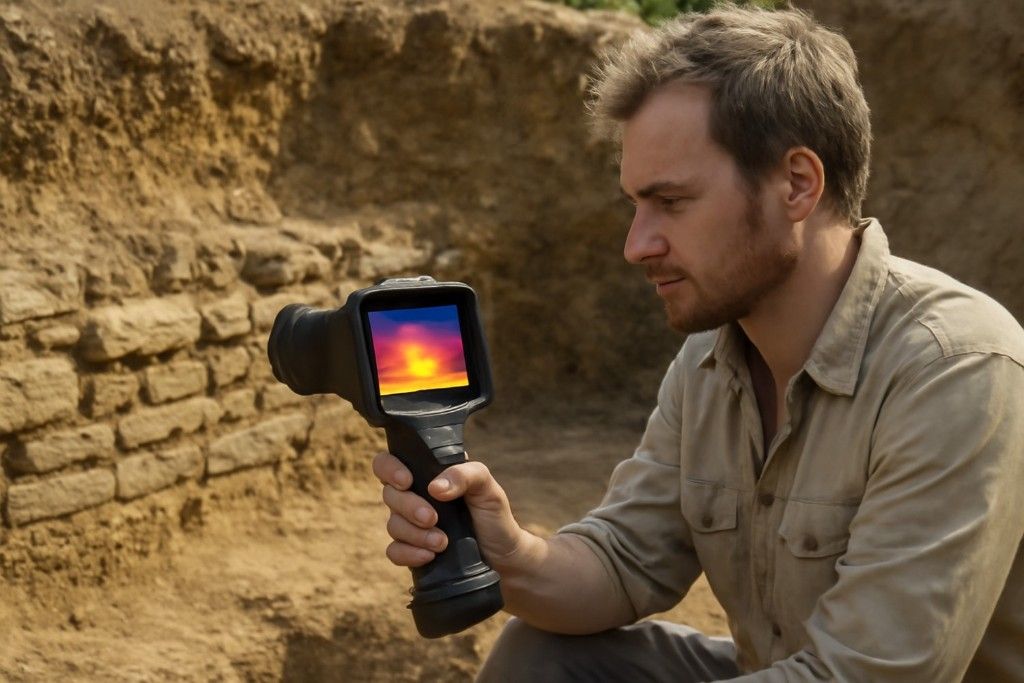
Thermal imaging technology has been used in archaeology to detect temperature variations in the ground, revealing the presence of hidden structures or features. This technology is particularly useful in detecting features such as walls or tombs, which can hold different temperatures than the surrounding soil.
In the search for lost cities and ancient buildings, thermal imaging has provided valuable insights that have led to significant discoveries. By capturing heat signatures, archaeologists can pinpoint areas that warrant further excavation, saving time and resources.
18. Blockchain Technology: Ensuring Artifact Provenance
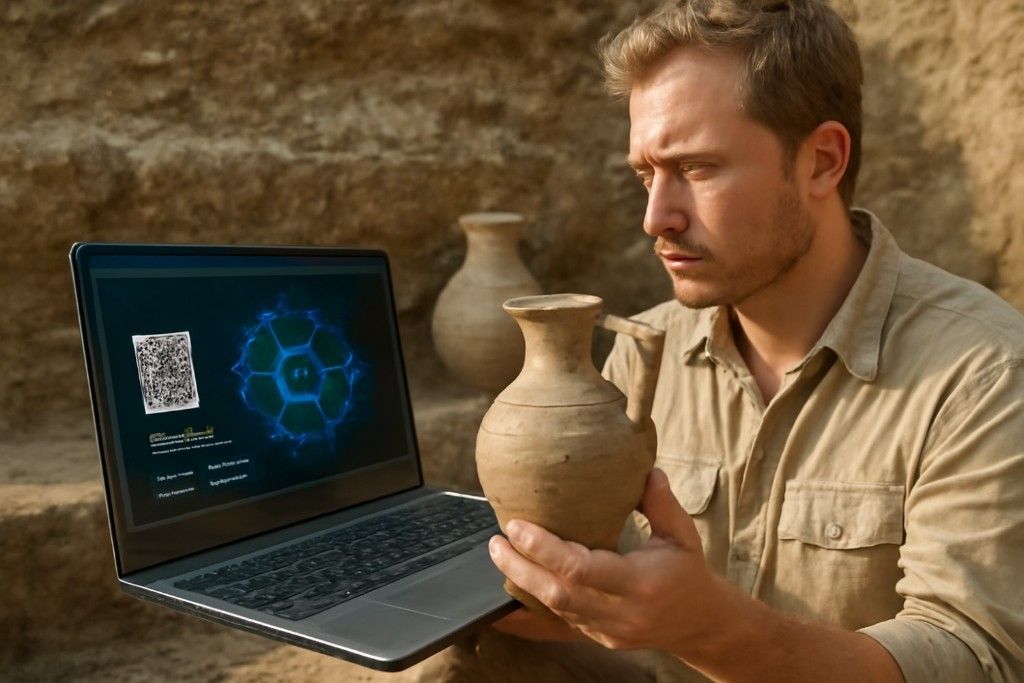
Blockchain technology, primarily known for its role in cryptocurrencies, is now being explored for use in archaeology to ensure the provenance and authenticity of artifacts. By creating an immutable digital record of an artifact’s history, blockchain can help prevent the illegal trade of cultural heritage items and track their ownership over time.
This application of blockchain can also serve as a transparent and secure way to document and share archaeological finds with the global community. The use of blockchain may soon become an essential tool for ensuring the integrity of archaeological discoveries.