
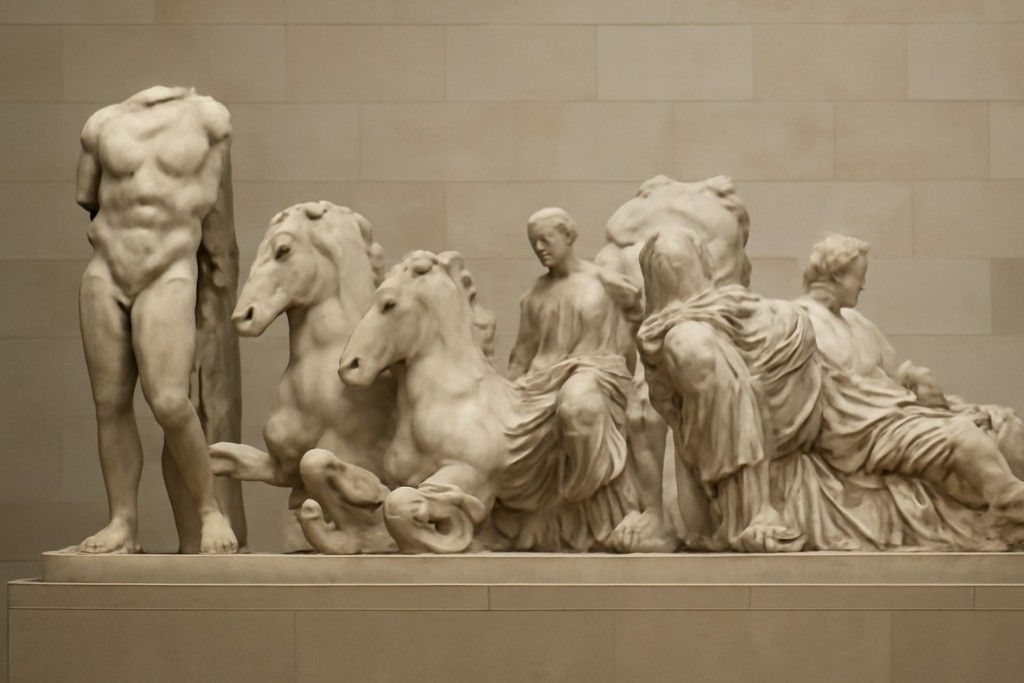
The Elgin Marbles, a collection of classical Greek marble sculptures, have captured the world’s attention for centuries. Originating from the Parthenon and other structures on the Acropolis of Athens, these treasures symbolize ancient Greece’s cultural heritage. The sculptures depict scenes from Greek mythology and everyday life, immortalizing the artistic mastery of their creators.
However, the marbles’ relocation from Greece to the British Museum has sparked a long-running debate over cultural ownership, heritage preservation, and the ethics of their removal. This complex history, filled with controversy and differing viewpoints, continues to shape the dialogue about art restitution today.
1. The Origins of the Elgin Marbles
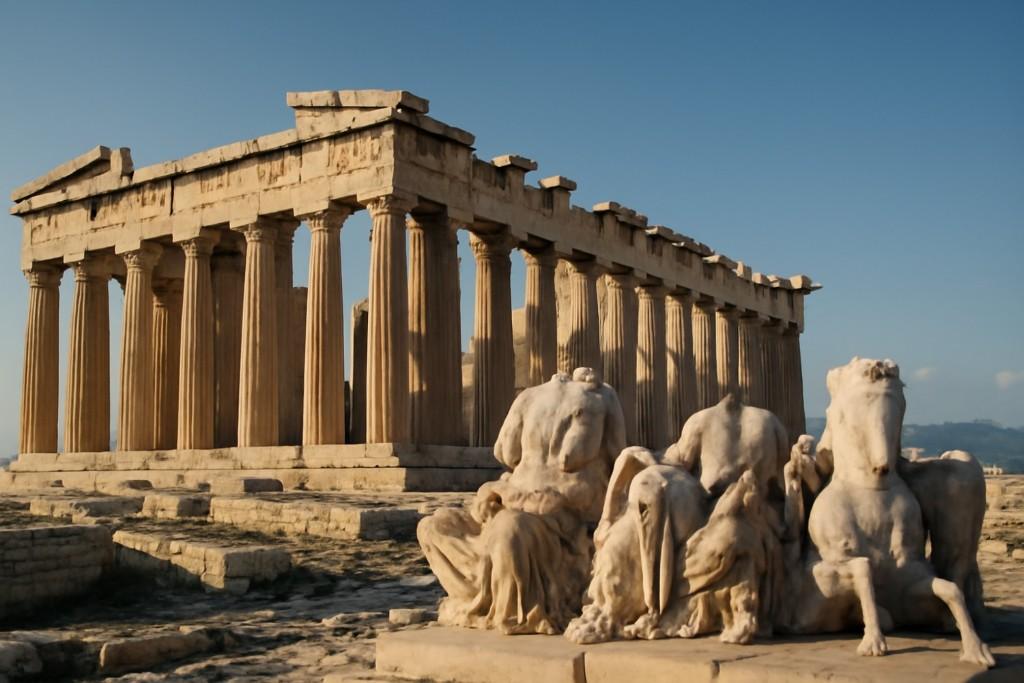
The Elgin Marbles, also known as the Parthenon Marbles, were originally part of the Parthenon, a temple dedicated to the goddess Athena on the Acropolis of Athens. Created between 447 and 438 BCE under the supervision of the sculptor Phidias, the marbles were designed to adorn the Parthenon’s frieze, pediments, and metopes.
The sculptures represent scenes from Greek mythology, including the birth of Athena and the Panathenaic procession. These works were commissioned by the Athenian statesman Pericles to celebrate the city’s glory during its Golden Age, reflecting the advanced artistic and architectural achievements of ancient Greece.
2. Lord Elgin’s Role in Removing the Marbles

In the early 19th century, Thomas Bruce, the 7th Earl of Elgin, served as the British ambassador to the Ottoman Empire, which controlled Greece at the time. Elgin sought permission from the Ottomans to remove sculptures from the Parthenon, believing they were at risk of being damaged.
His acquisition of the marbles was controversial, as many argue that his permission was not entirely legitimate. Elgin shipped the marbles to Britain in the early 1800s, where they were eventually sold to the British Museum. His actions sparked a debate on the ethics of art removal, which continues to this day.
3. The Controversy Over Ownership
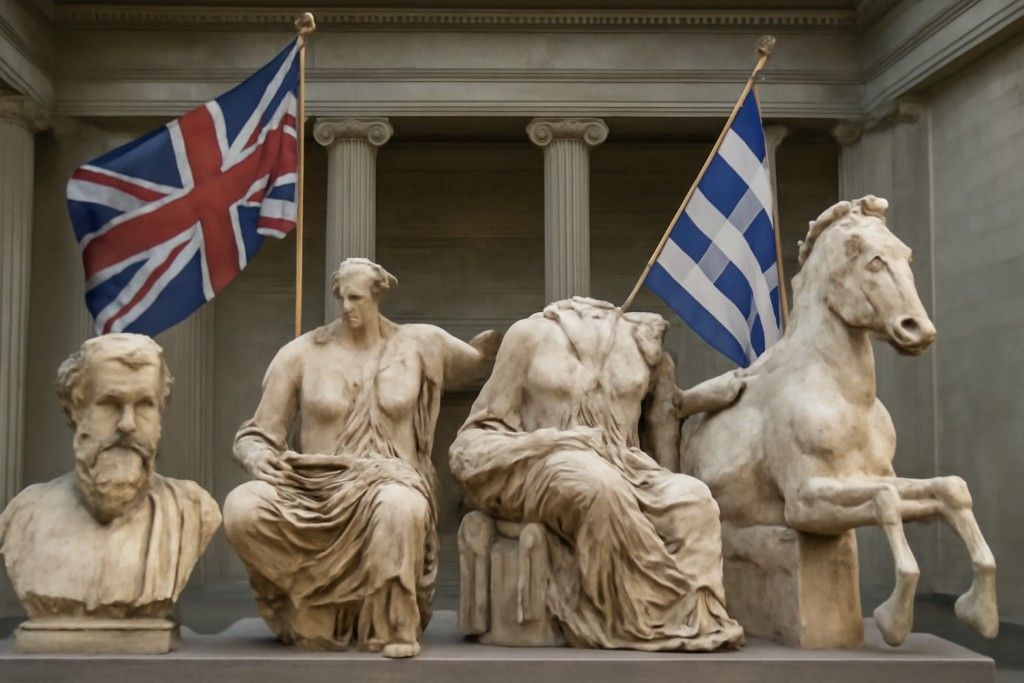
A central issue in the Elgin Marbles debate is their rightful ownership. Greece argues that the marbles were removed unlawfully, and that they represent an integral part of Greek cultural heritage, thus should be returned.
On the other hand, the British Museum maintains that the marbles were legally acquired and have been preserved and displayed in the UK for the benefit of a global audience. This disagreement hinges on questions of legal ownership, cultural patrimony, and the ethics of colonial-era acquisitions.
4. The Role of the British Museum
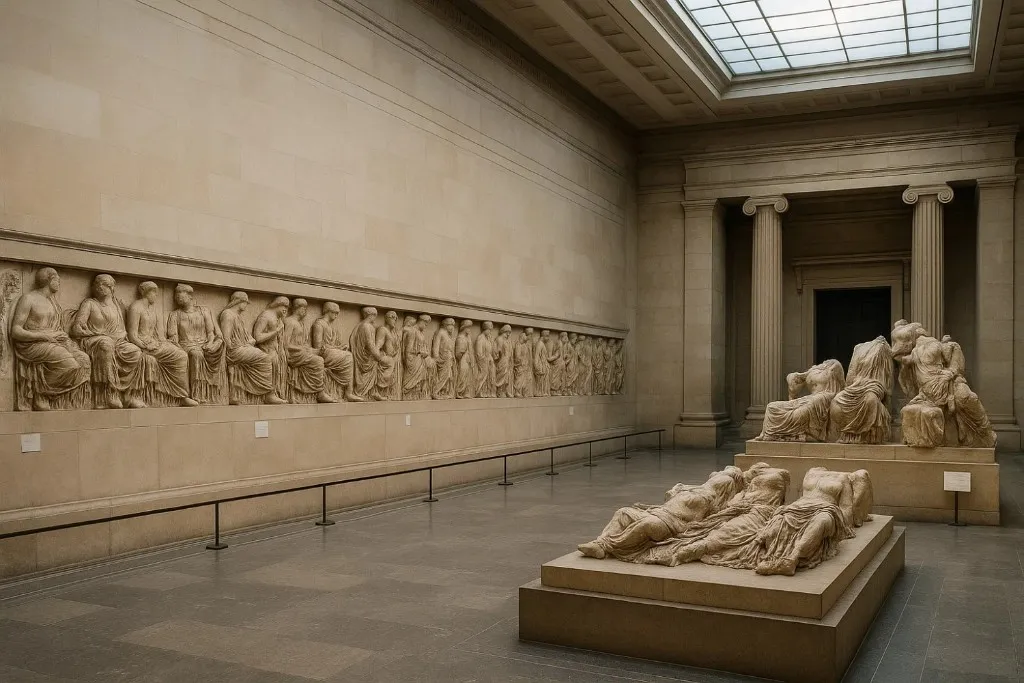
The British Museum has been the custodian of the Elgin Marbles since 1817, and it has presented them as an essential part of the museum’s collection. The museum argues that the marbles are a symbol of universal heritage, offering visitors a chance to appreciate ancient Greek art in a global context.
The museum’s role in housing the marbles has been pivotal in making them accessible to a broad audience. However, critics argue that the museum’s stance on keeping the marbles may contribute to a broader issue of cultural appropriation, where artifacts are taken from their places of origin and displayed abroad.
5. Greece’s Campaign for Repatriation
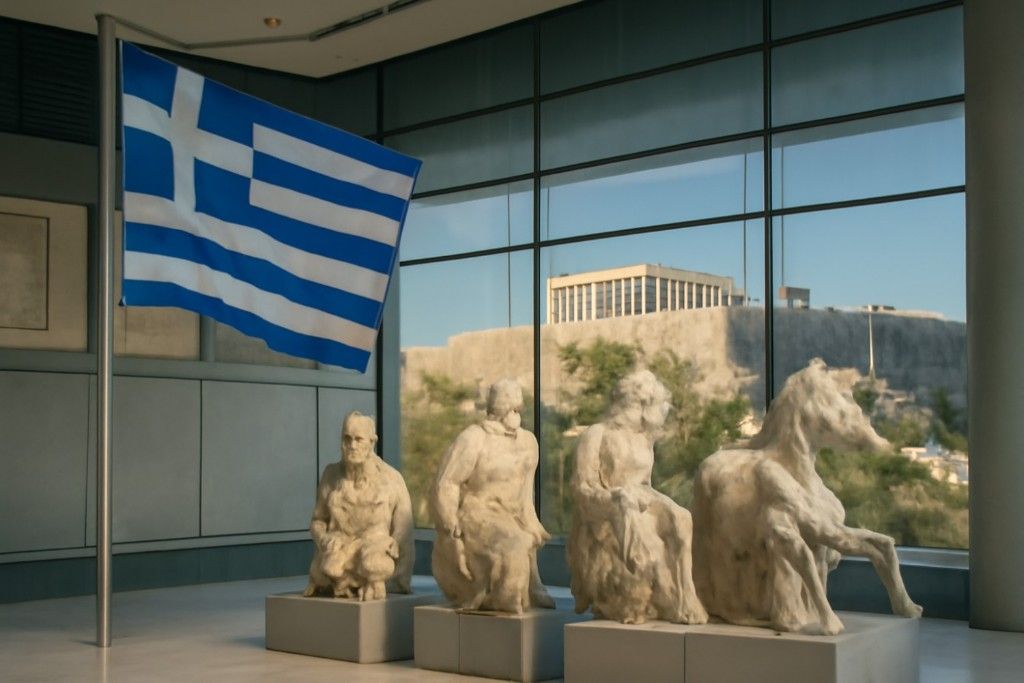
In recent decades, Greece has launched a strong campaign for the return of the Elgin Marbles, which has gained considerable momentum. The Greek government has argued that the marbles are an essential part of their cultural identity and that they were unlawfully removed.
The establishment of the Acropolis Museum in 2009, which offers a dedicated space for the sculptures, was seen as a significant step in demonstrating that the marbles should be returned. The Greek government has also gained the support of UNESCO and many international figures who advocate for the marbles’ repatriation.
6. The Ethical Debate: Cultural Heritage vs. Global Access
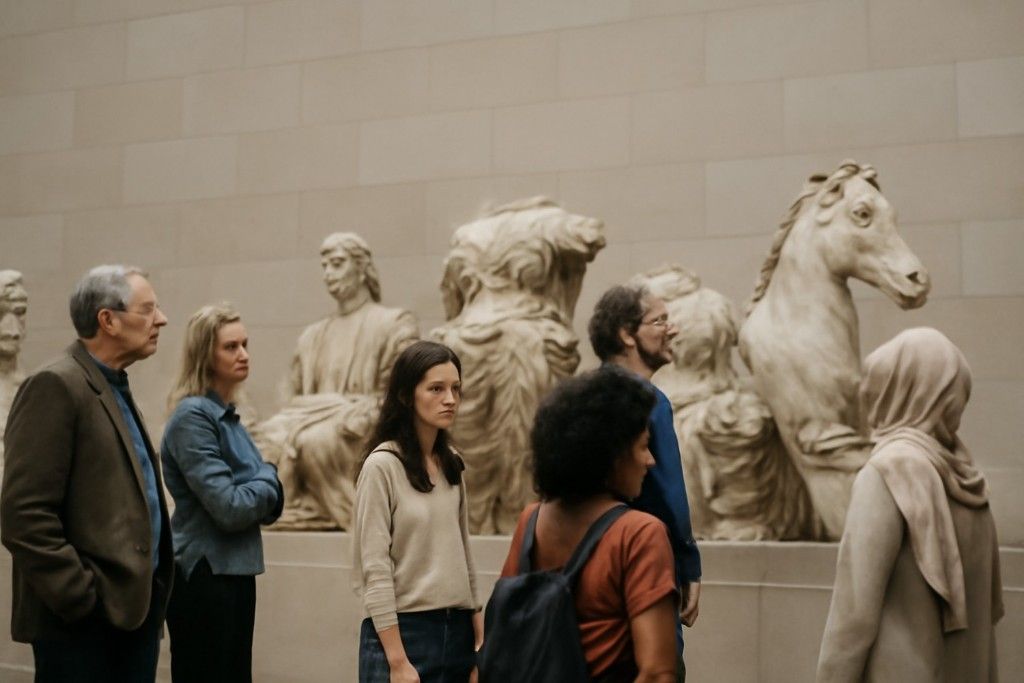
The debate surrounding the Elgin Marbles presents a dilemma between cultural heritage and global access. On one side, repatriation advocates argue that the marbles belong to Greece and should be returned to their rightful home, both for historical and ethical reasons.
On the other side, the British Museum asserts that by holding the marbles in London, they are accessible to millions of people from all over the world, offering an opportunity for cultural exchange. This ongoing conflict illustrates the tension between preserving national heritage and ensuring global access to iconic artifacts.
7. The Condition of the Marbles After Removal
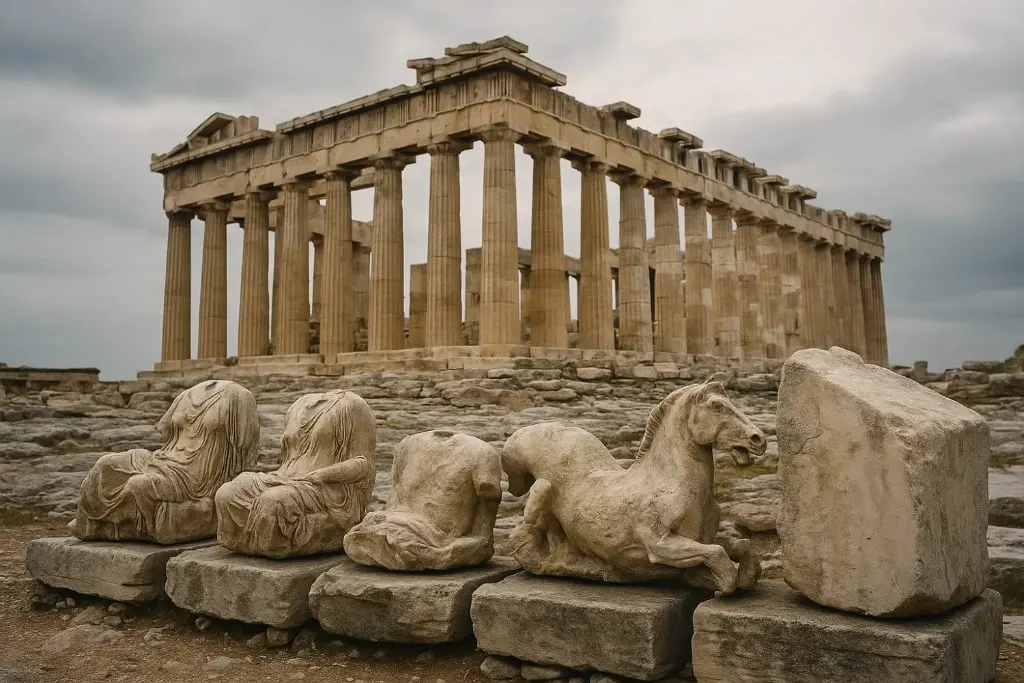
One argument put forth by Lord Elgin for removing the sculptures was the preservation of the marbles. At the time of their removal, the Parthenon was in a state of disrepair due to natural weathering and damage from prior wars. The sculptures were subjected to centuries of exposure to the elements.
However, the transportation of the marbles also caused considerable damage, with some pieces broken or lost during the process. Restoration efforts have since been made to preserve the pieces, though some critics argue that their removal did more harm than good.
8. The Influence of the Marbles on Art and Architecture
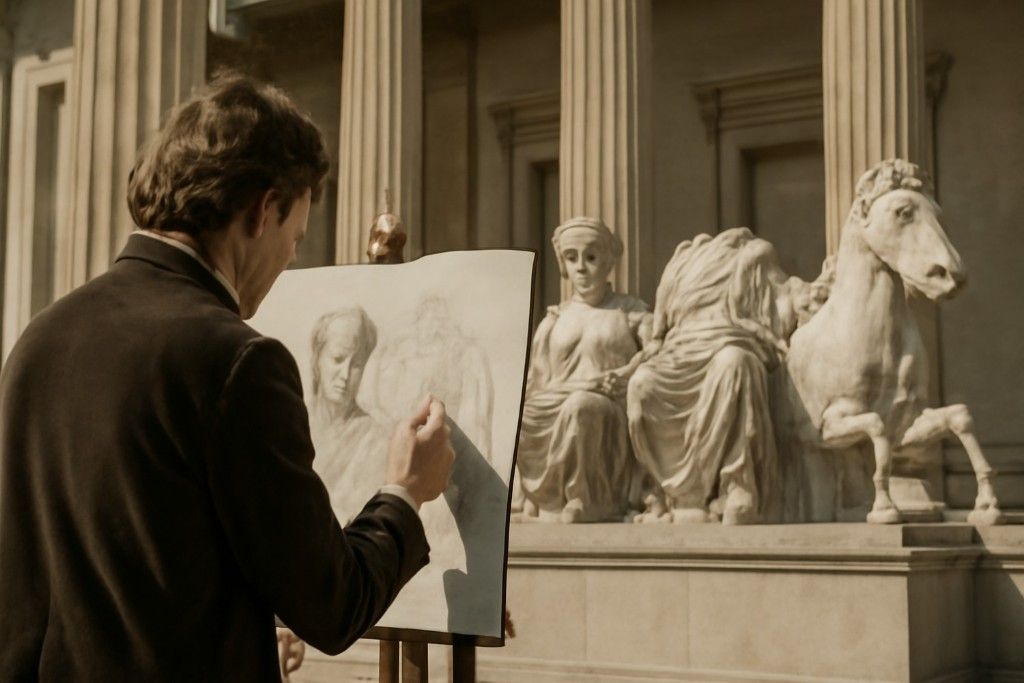
The Elgin Marbles have had a profound influence on art and architecture. As examples of classical Greek sculpture, they embody the ideals of balance, proportion, and beauty that were central to Greek culture. Their style, particularly the depiction of the human form, has influenced countless artists, from Renaissance painters to modern architects.
The Parthenon sculptures, in particular, have become icons of Western art, embodying the ideals of reason, order, and democracy. Their influence extends beyond art, symbolizing Greece’s philosophical and cultural contributions to the world.
9. The Role of the Acropolis Museum
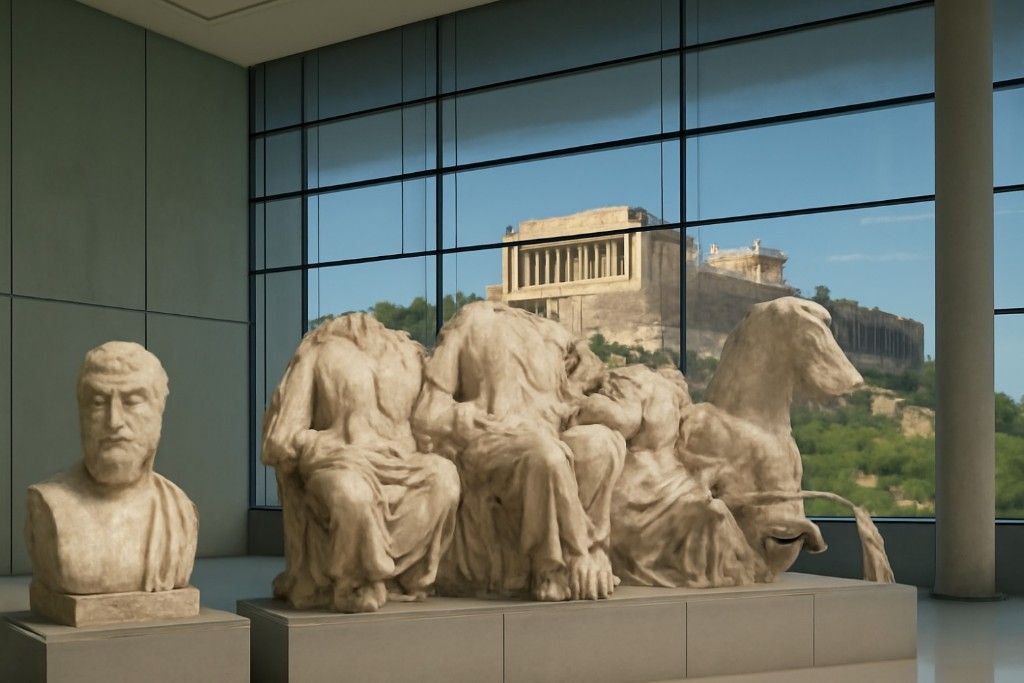
The Acropolis Museum, located in Athens, was built specifically to house and display artifacts from the Acropolis, including those that are part of the Elgin Marbles collection. Opened in 2009, the museum provides a modern, state-of-the-art space for visitors to view the sculptures in close proximity to their original location.
The museum is designed with large glass walls offering views of the Parthenon, which enhances the connection between the sculptures and their historical context. This museum is central to Greece’s argument for the marbles’ repatriation, showcasing the importance of returning these treasures to their homeland.
10. The Impact of the Marbles on Tourism in Greece
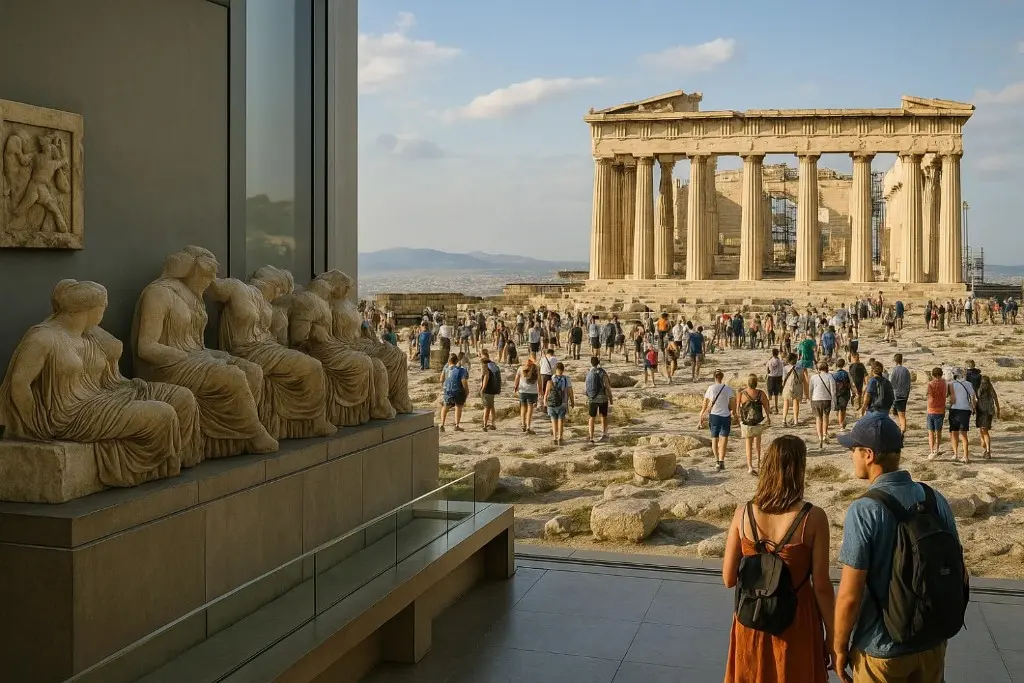
The Elgin Marbles are among the most important tourist attractions in Greece, drawing millions of visitors each year to both the Acropolis and the British Museum. The ongoing debate over their repatriation has kept the marbles in the global spotlight, contributing to their cultural significance.
For Greece, returning the marbles would not only restore a vital part of their cultural heritage but could also boost tourism, as many travelers are eager to see the sculptures in their original setting. The marbles’ return could serve as a major cultural and economic boon for Greece.
11. The Role of UNESCO in the Dispute
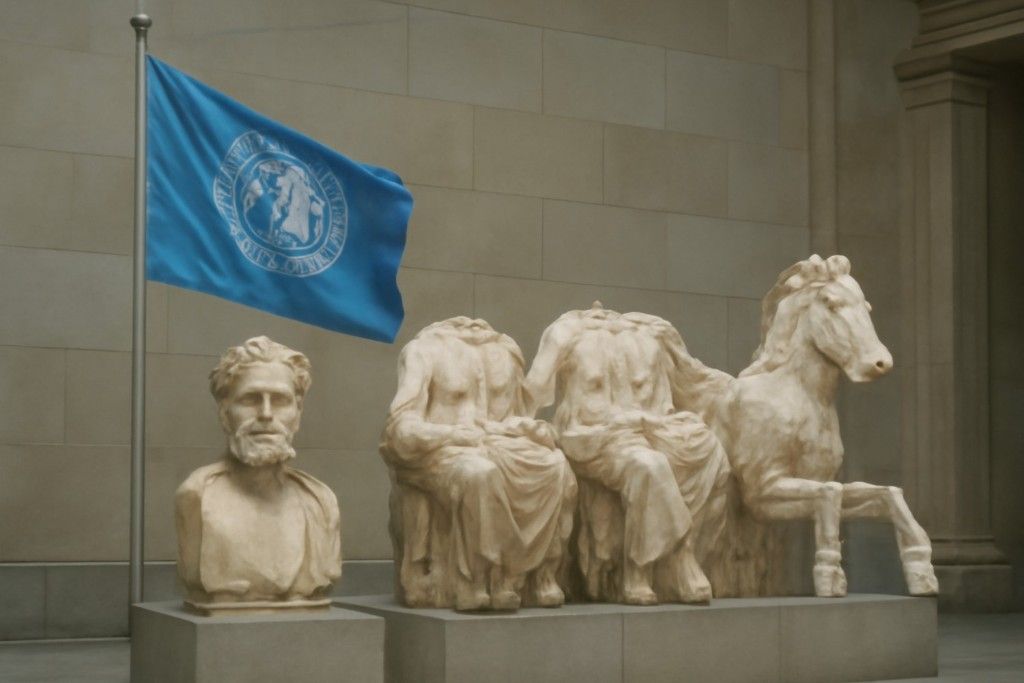
UNESCO, the United Nations Educational, Scientific and Cultural Organization, has played a pivotal role in the debate surrounding the Elgin Marbles. While the organization has not directly intervened in the legal ownership dispute, it has strongly supported Greece’s campaign for repatriation.
UNESCO advocates for the preservation of cultural heritage and has worked to foster dialogue between the British Museum and the Greek government. The international organization has been vocal about the importance of returning the marbles as part of a broader effort to repatriate cultural treasures that were taken during colonial times.
12. Legal Precedents for the Return of Artifacts
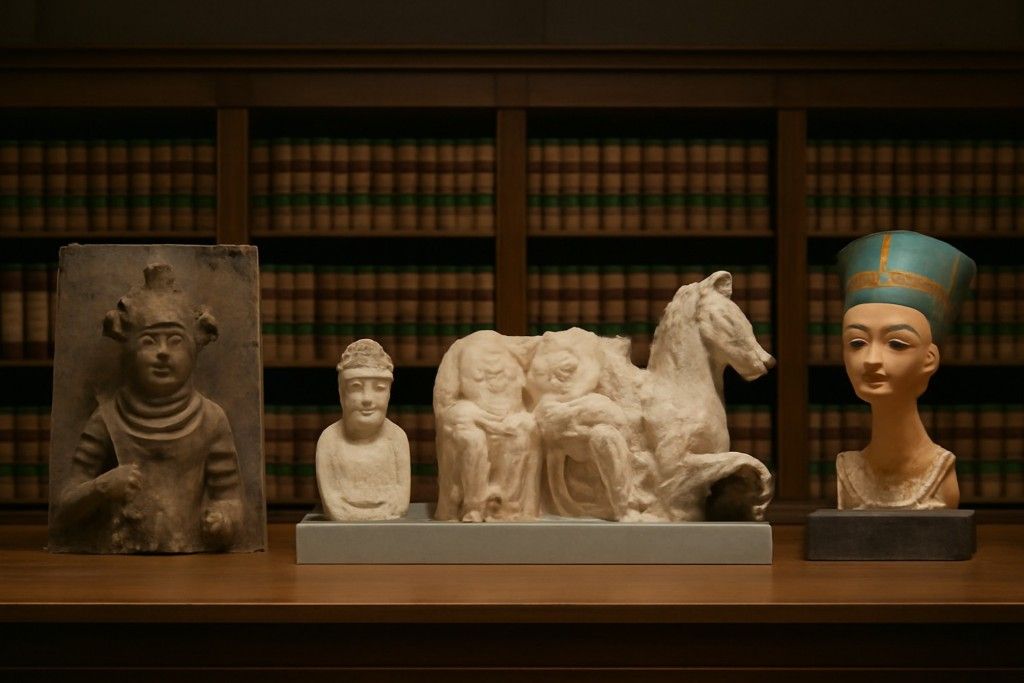
Over the years, there have been several high-profile cases of art and cultural artifacts being returned to their countries of origin, setting legal precedents for the repatriation of the Elgin Marbles. For instance, the return of the Benin Bronzes to Nigeria and the decision to repatriate the Nefertiti Bust to Egypt are examples where international pressure and legal rulings have led to the return of stolen cultural property. These precedents offer hope to those advocating for the return of the Elgin Marbles, though they face a much more complex legal landscape.
13. The Role of Public Opinion in the Debate

Public opinion plays a significant role in the controversy over the Elgin Marbles. The global debate has sparked discussions about cultural property, colonialism, and historical injustices. Many high-profile figures, including artists, politicians, and academics, have voiced their support for the repatriation of the marbles.
Public support for returning the marbles has been bolstered by the increasing awareness of the cultural damage caused by colonial-era acquisitions. While opinions remain divided, the growing demand for restitution of cultural artifacts suggests a shift toward a more equitable approach to cultural heritage.
14. The Future of the Elgin Marbles

The future of the Elgin Marbles remains uncertain, as both sides of the debate continue to stand firm. However, the increasing momentum of Greece’s campaign, combined with shifting global attitudes toward cultural restitution, suggests that a resolution may be on the horizon.
Whether through diplomatic negotiations, legal action, or public pressure, the fate of the Elgin Marbles will likely continue to evolve. As the world continues to debate the ethical implications of cultural property, the Elgin Marbles will remain a central symbol in the conversation about art, history, and ownership.
15. Broader Implications for Cultural Restitution
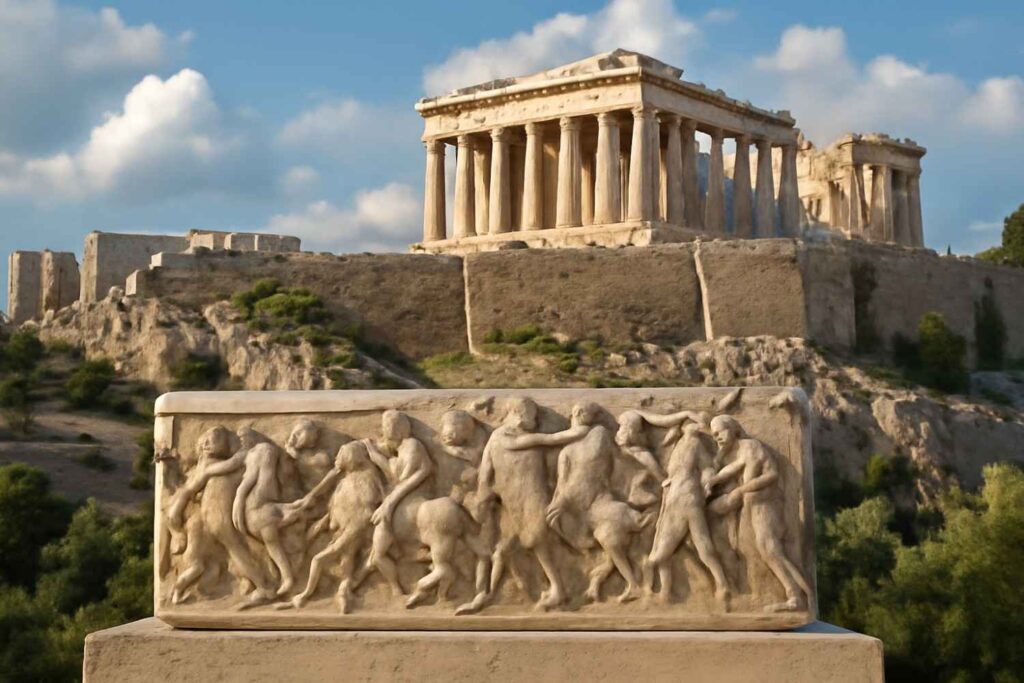
The debate over the Elgin Marbles highlights the broader issue of cultural restitution and the return of artifacts taken during colonial times. The case has brought attention to the importance of respecting cultural heritage and the need for dialogue between countries to resolve disputes over ownership.
As more countries call for the return of cultural treasures, the Elgin Marbles remain at the forefront of this ongoing conversation, challenging museums and governments worldwide to reconsider the legacy of their collections.