

Gene editing has been making headlines for its potential to revolutionize medicine. The idea of curing inherited diseases by correcting faulty genes sounds almost too good to be true. Imagine a world where conditions like cystic fibrosis, sickle cell anemia, and even some types of cancer could be treated or eliminated before birth.
While this technology is still in its early stages, it holds immense promise. But how close are we really to making this dream a reality? Let’s explore the science behind gene editing and its potential to eliminate inherited diseases.
1. What Is Gene Editing?
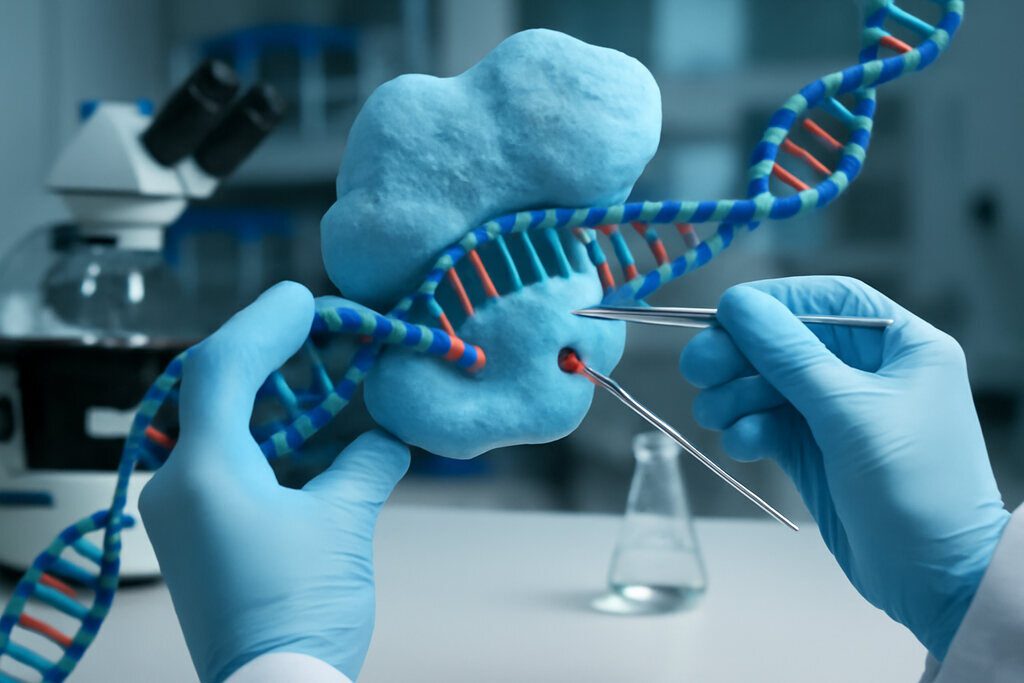
Gene editing is a technique that allows scientists to modify an organism’s DNA. One of the most famous tools used for this is CRISPR-Cas9, which acts like a molecular scissors, cutting out and replacing parts of the genetic code. Think of it as editing a sentence in a book, where the wrong word is replaced with the correct one. By doing this, scientists can potentially fix genetic mutations that cause inherited diseases, offering hope for future treatments.
Gene editing works by targeting specific genes responsible for causing diseases. It’s like fixing a broken part of a machine so that it runs smoothly again. With ongoing research, we’re learning how to make these edits more precise, which could significantly reduce the risk of genetic disorders being passed down.
2. Inherited Diseases: A Brief Overview

Inherited diseases are passed down from parents to children through their genes. These conditions occur when there’s a mutation (or change) in a gene, affecting its function. Diseases like cystic fibrosis, Huntington’s disease, and hemophilia are examples of inherited conditions that can severely impact quality of life. Many of these diseases are caused by a single faulty gene, making them prime targets for gene editing.
Some inherited diseases can be managed through medications, but many still lack a permanent cure. That’s where gene editing has the potential to make a real difference—by targeting and correcting the underlying genetic problem before symptoms even appear.
3. The Potential of CRISPR-Cas9
CRISPR-Cas9 is the revolutionary gene-editing tool that has made headlines for its ability to edit genes quickly and precisely. Scientists can use CRISPR to remove or replace defective genes, potentially correcting genetic diseases at their source. In clinical trials, CRISPR has shown promise in treating conditions like sickle cell anemia and beta-thalassemia by editing blood cells to produce healthier ones.
This technology is far from perfect, but it has already demonstrated incredible potential in animal models, and human trials are ongoing. As we continue to refine CRISPR’s accuracy, its ability to target specific genetic issues will improve, opening doors to curing more inherited diseases in the future.
4. Gene Therapy vs. Gene Editing
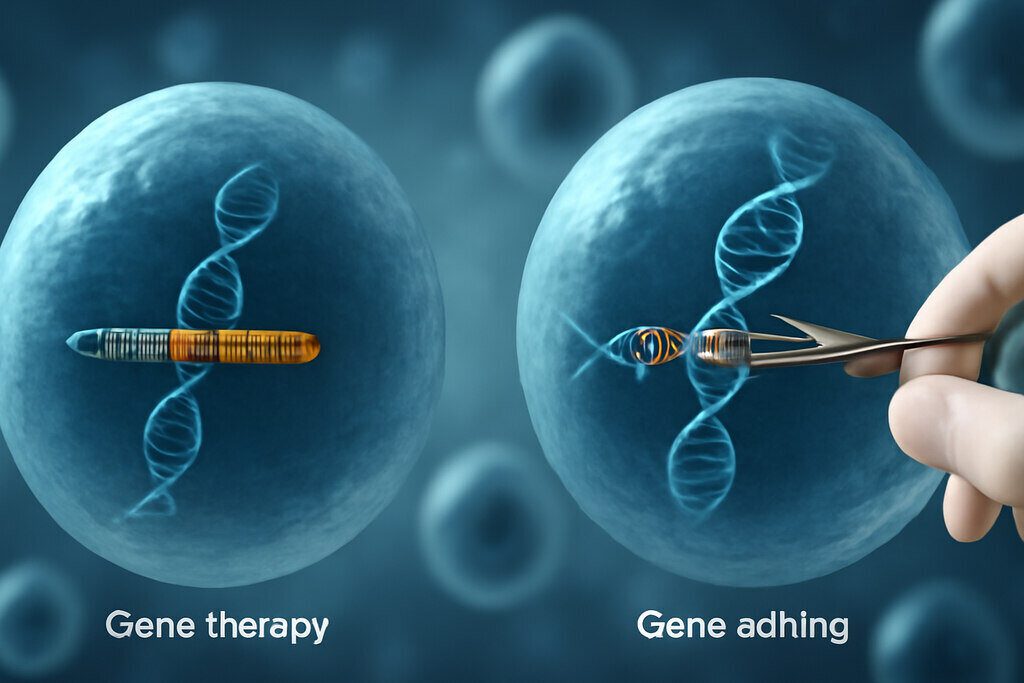
Gene therapy and gene editing are often used interchangeably, but they are two distinct approaches. Gene therapy typically involves inserting a healthy copy of a gene into a person’s cells to replace the faulty one. In contrast, gene editing directly alters the DNA within a person’s cells.
While gene therapy has been around longer, gene editing offers more precise control and could, in theory, cure inherited diseases at their genetic root. In the case of gene editing, the goal isn’t just to add a missing gene but to fix the mutated one. This could prevent the disease from ever manifesting in the first place, providing a much more permanent solution.
5. The Promise of Preventing Inherited Diseases
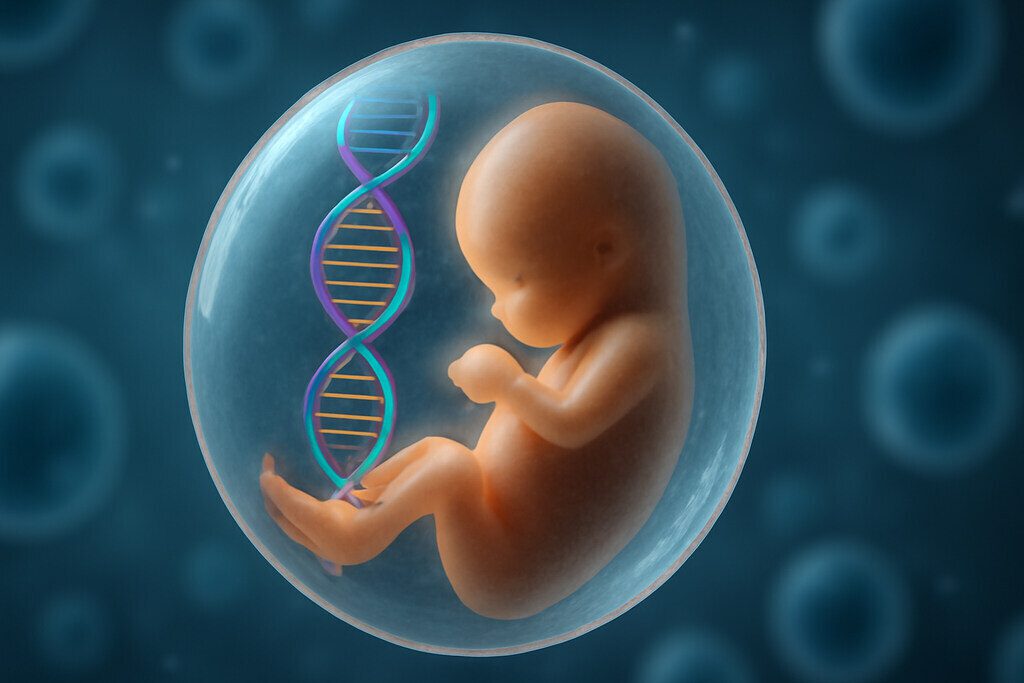
The dream of gene editing lies in its ability to prevent inherited diseases before they even have a chance to develop. For example, imagine a couple who both carry the gene for cystic fibrosis. With gene editing, the embryo could be screened, and any faulty genes could be corrected before the baby is born.
This could potentially eliminate the risk of the child ever developing the disease. The ability to prevent inherited diseases before birth is a game-changer, offering families the chance to have healthy children free from the burden of genetic disorders.
6. Ethical Considerations and Concerns

With great power comes great responsibility. While gene editing offers incredible potential, it also raises ethical concerns. The idea of editing human embryos to prevent genetic diseases brings up questions about where to draw the line. Should parents be allowed to choose traits like intelligence or physical appearance for their children?
Moreover, there are concerns about the long-term consequences of gene editing, especially when it comes to unintended mutations or changes that could affect future generations. Striking a balance between scientific advancement and ethical responsibility is key to the future of gene editing.
7. Safety Issues in Gene Editing

While gene editing holds great promise, it’s not without risks. One of the biggest concerns is off-target effects, where unintended parts of the DNA are edited, leading to potentially harmful consequences. Although tools like CRISPR have become more precise, there’s still the possibility of errors.
To ensure the safety of gene editing, researchers are working on improving the accuracy and efficiency of these technologies. As more trials are conducted, we’ll have a clearer understanding of the risks involved and how to mitigate them.
8. Gene Editing and Germline Cells
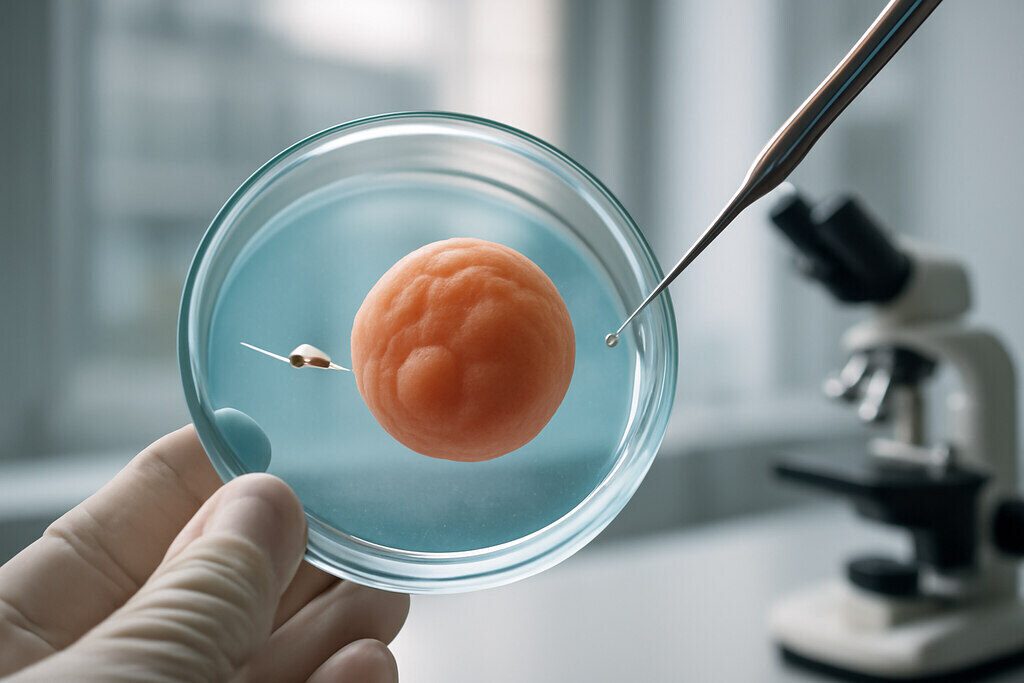
Gene editing in germline cells—sperm, eggs, or embryos—has the potential to eliminate inherited diseases from a family line permanently. Unlike somatic cells (which only affect the individual), changes made to germline cells can be passed down to future generations. While this offers the possibility of eradicating genetic disorders entirely, it also raises significant ethical and safety concerns.
Editing germline cells is currently banned in many countries due to the unknown long-term effects. However, it’s a possibility that could revolutionize how we approach inherited diseases in the future.
9. Success Stories in Gene Editing

Gene editing has already shown success in treating certain inherited diseases. In 2019, a patient with sickle cell anemia was successfully treated using CRISPR, with the edited cells producing healthy red blood cells. Similarly, research is ongoing for conditions like Duchenne muscular dystrophy, where gene editing has shown promising results in animal models. While these successes are still in the early stages, they offer a glimpse of what’s possible when we harness the power of gene editing to cure inherited diseases.
10. The Cost of Gene Editing

Gene editing is still a costly process, both in terms of research and treatment. The technology itself requires highly skilled scientists, advanced equipment, and extensive clinical trials to ensure safety and effectiveness. As gene editing becomes more widely used, the cost may come down, but for now, treatments are expensive and not accessible to everyone. For gene editing to truly benefit society, efforts must be made to make it more affordable and accessible to those in need.
11. The Role of Stem Cells in Gene Editing
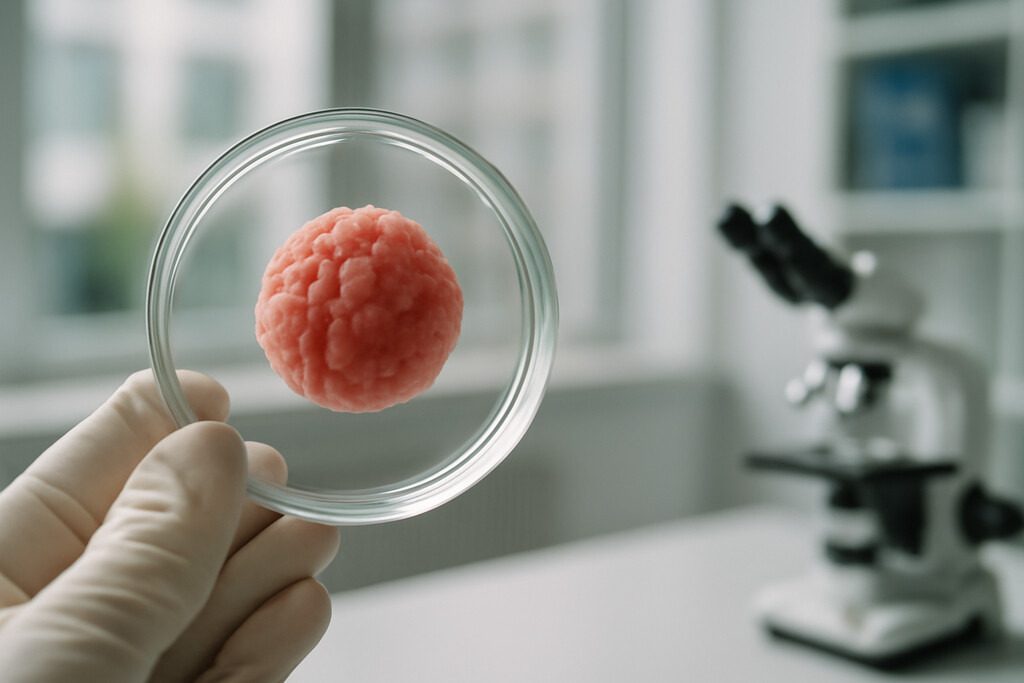
Stem cells are a key player in gene editing. These cells have the ability to develop into any type of cell in the body, making them perfect candidates for gene therapy. By using stem cells, scientists can potentially correct genetic mutations and grow new, healthy tissues to replace damaged ones. Stem cell-based gene editing is still in its experimental stages, but it holds great potential for treating a variety of inherited diseases.
12. Treating Adult Diseases with Gene Editing

While much of the focus has been on using gene editing to prevent inherited diseases in embryos, it can also be used to treat adults. For example, people with inherited blood disorders like sickle cell anemia could receive edited stem cells or bone marrow transplants, effectively curing them of their condition.
This approach has already shown success in clinical trials, with patients experiencing significant improvements. Gene editing could one day provide lifelong cures for a variety of inherited conditions that affect adults, improving their quality of life and reducing the need for ongoing treatment.
13. The Future of Gene Editing
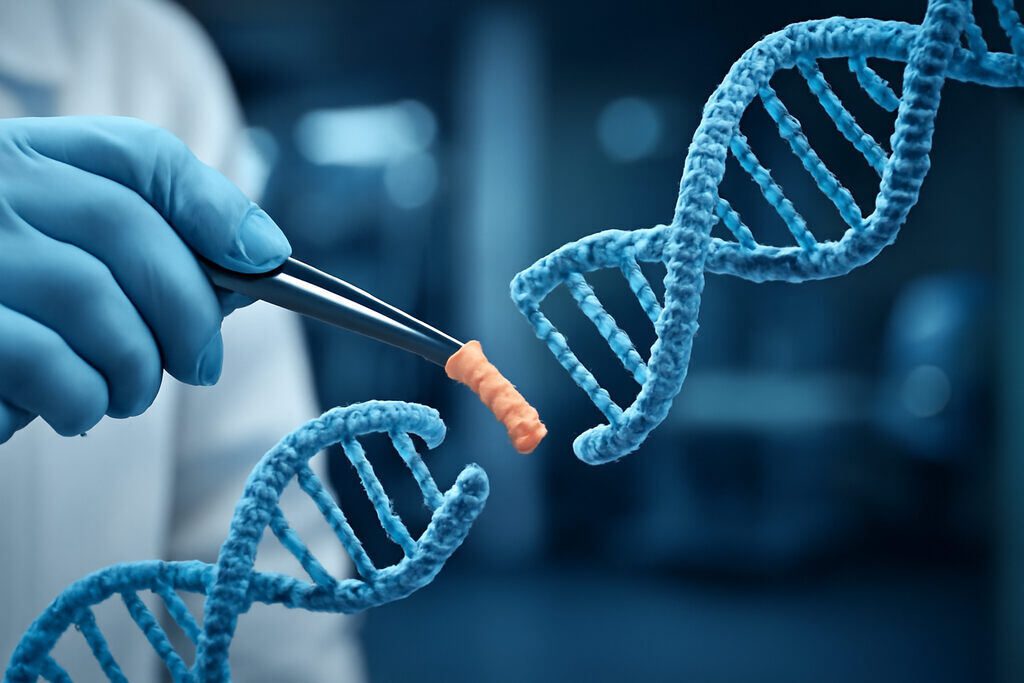
The future of gene editing looks incredibly promising. As technology continues to improve, we may see more widespread applications of gene editing in treating inherited diseases. The dream of eliminating genetic disorders could become a reality, offering hope to millions of people affected by these conditions.
However, as with any new technology, it will take time to work out the kinks and address the ethical and safety concerns. But with ongoing research and development, the future of gene editing holds great promise for treating and even eliminating inherited diseases.
14. Public Perception of Gene Editing

The general public’s perception of gene editing plays a crucial role in its development and acceptance. While some people are excited about the possibilities, others are cautious due to the ethical implications. Public education and open discussions about the benefits and risks of gene editing will be vital in shaping how society views this technology. As we move forward, it’s important to keep the conversation going and address concerns while also highlighting the potential benefits for those affected by inherited diseases.
15. Conclusion: Is Gene Editing the Key to Eliminating Inherited Diseases?

Gene editing holds immense potential for eliminating inherited diseases, offering hope to families who have long struggled with genetic disorders. While the technology is still evolving, the successes we’ve seen so far show promise.
As scientists continue to refine gene-editing techniques, we may one day be able to eradicate many of the genetic conditions that have affected generations of families. The road ahead is filled with challenges, but the future of gene editing could be brighter than we ever imagined.