
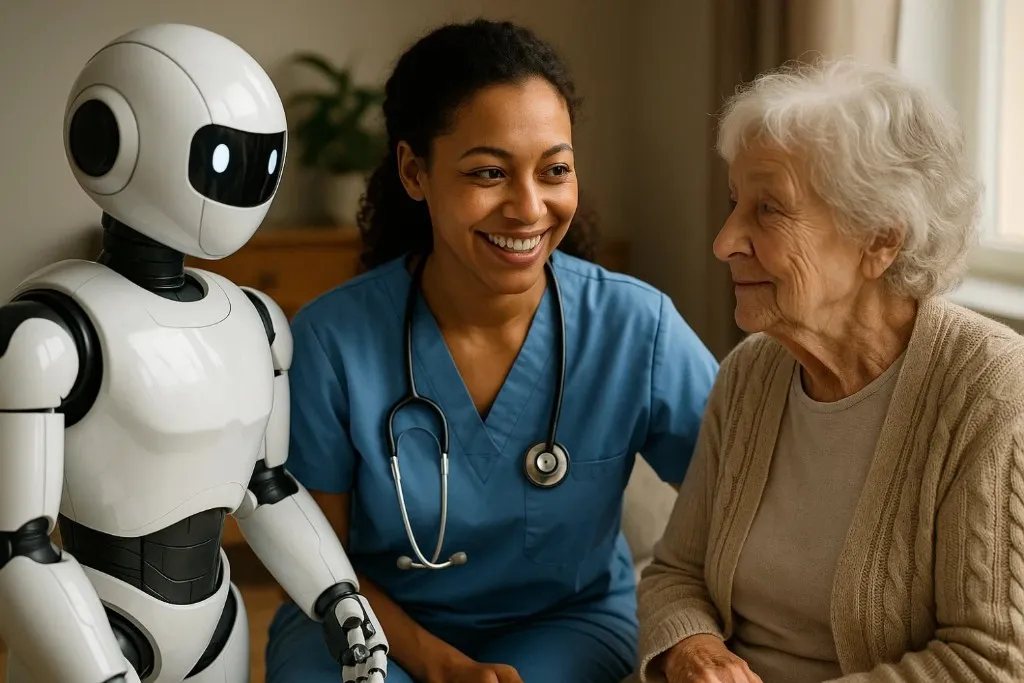
As the healthcare sector continues to evolve, one of the most debated questions is whether robots and automation can replace human nurses and caregivers. Advances in robotics, AI, and machine learning are making it possible for machines to perform a variety of tasks that traditionally required human hands.
However, while robots have made significant strides, the question remains: Can they truly replace the irreplaceable role of caregivers and healthcare workers? This article explores the potential of robots in nursing and caregiving, examining their capabilities, limitations, and the broader implications on the healthcare industry.
1. The Growing Role of Robotics in Healthcare
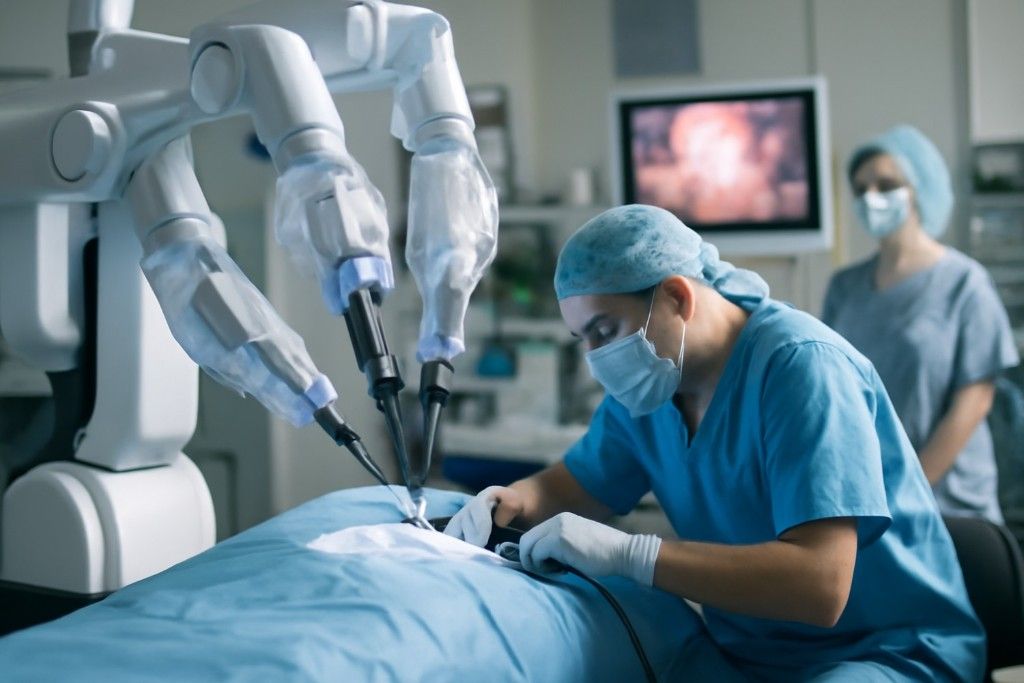
Robots in healthcare have already made notable contributions, especially in surgery and diagnostics. Robotic systems, such as the da Vinci Surgical System, assist surgeons with high precision in minimally invasive procedures. In caregiving, robots like the “Paro” therapeutic seal have been used to provide comfort to dementia patients.
While these technologies offer support, they cannot yet fully replace the human touch required in nursing and caregiving roles. Machines lack the emotional intelligence and nuanced decision-making abilities that human caregivers use to address complex patient needs.
2. The Need for Emotional Intelligence in Caregiving

Nurses and caregivers don’t just provide medical assistance; they offer empathy, emotional support, and a human connection that robots are currently unable to replicate. Patients often rely on their caregivers for comfort, reassurance, and companionship, elements that are essential for healing.
While robots can assist with physical tasks like administering medications or taking vital signs, they struggle to build relationships with patients. Empathy and emotional sensitivity remain integral aspects of caregiving that technology cannot replace.
3. Advanced Robotic Caregiving Assistants
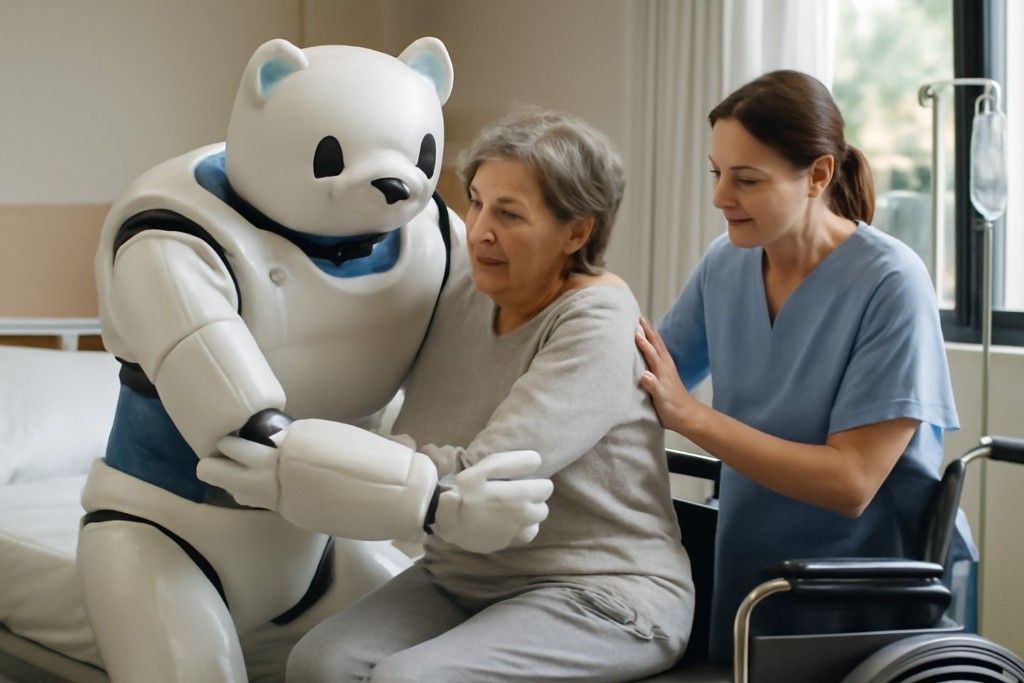
Despite the emotional gap, there are robots designed to assist in specific caregiving tasks. For instance, “Robear,” a robot developed in Japan, can lift patients from their beds to wheelchairs, providing physical assistance to caregivers.
Robots like Robear help reduce the physical strain on human caregivers and enhance the safety and comfort of patients. While these robots can ease physical burdens, they still cannot provide the personalized care and attention that human caregivers offer, especially in more intimate settings.
4. Limitations of Robotic Sensitivity
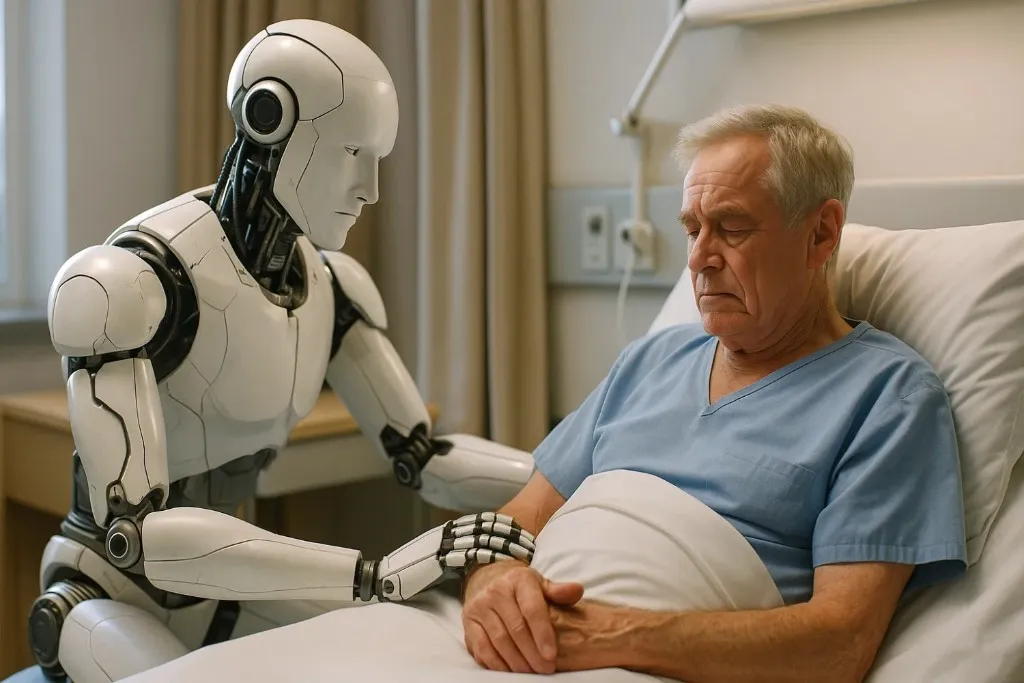
While robots excel in tasks that require physical interaction, their ability to perceive and respond to human emotions and physical cues is still limited. Unlike human caregivers, robots cannot interpret body language or tone of voice to detect pain or discomfort.
For example, robots may struggle to understand when a patient is anxious or in need of emotional comfort, whereas a human caregiver can provide a reassuring presence. This limitation makes robots ill-suited for certain caregiving tasks that require empathy and emotional intelligence.
5. Robot-Assisted Surgery: A Specialized Role
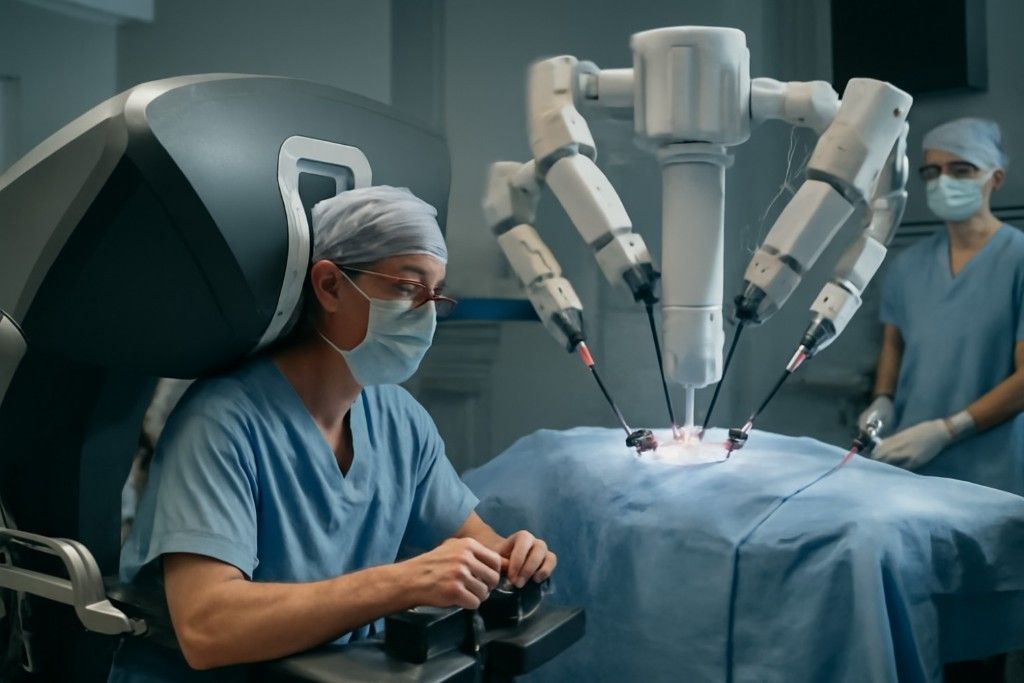
In the field of surgery, robots like the da Vinci system have revolutionized procedures by offering unmatched precision and reducing recovery times. While these robots assist with complex surgeries, they still require skilled human oversight. Surgeons operate these systems, making critical decisions during surgeries.
Robots can improve efficiency in surgery but cannot replace the judgment, experience, and personal expertise of a trained surgeon. Similarly, in caregiving, robots can assist with tasks but still rely on humans for high-level decision-making and patient interaction.
6. The Potential for Robots in Elderly Care
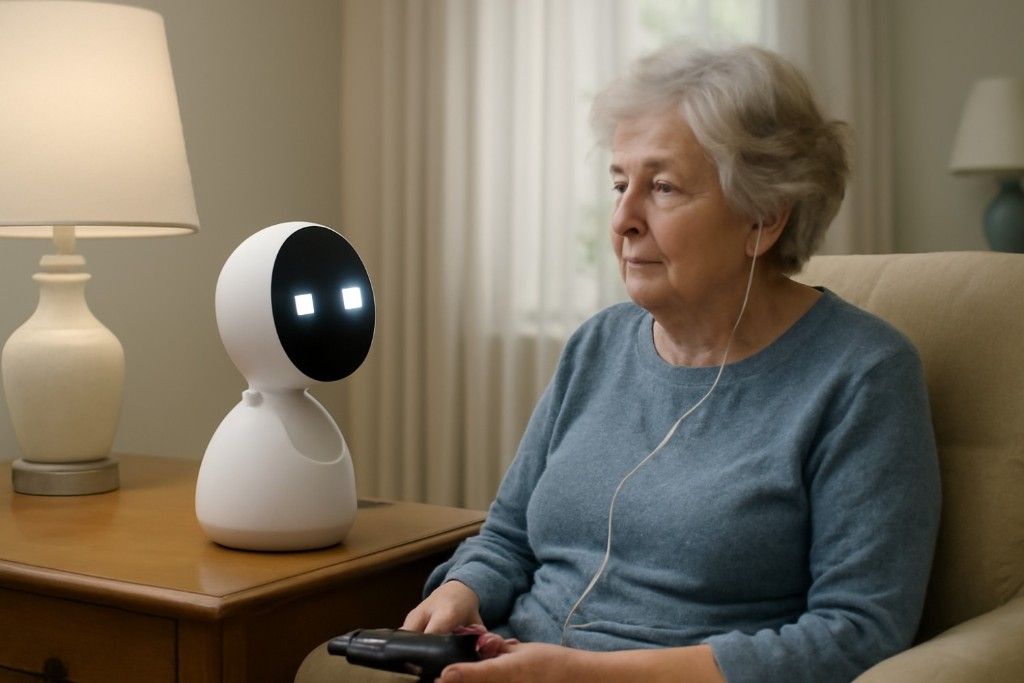
In elderly care, robots are showing promise in helping with tasks such as medication reminders, monitoring vital signs, and providing companionship. For instance, “ElliQ,” a social companion robot for older adults, can assist with daily activities and help reduce feelings of loneliness.
While such robots offer substantial benefits, they cannot replace the nuanced, personalized care that human caregivers provide. Elderly patients often need tailored care that considers their specific health needs, preferences, and emotions, a role robots are still far from mastering.
7. Automation in Routine Healthcare Tasks
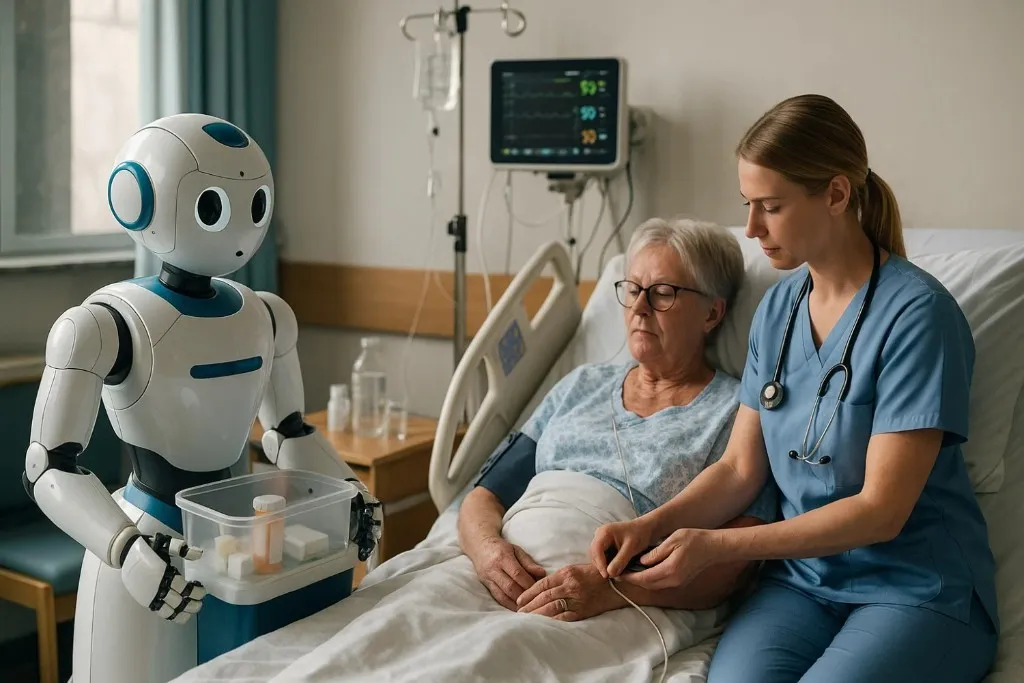
Routine healthcare tasks such as measuring vitals, administering medications, and assisting with basic mobility are areas where robots can be highly effective. Robots like “Moxi” have been deployed in hospitals to deliver medications and supplies, freeing up nurses to focus on patient care. These automation tools are valuable in reducing the workload of healthcare staff, but they do not replace the need for human interaction in tasks like patient assessments, care coordination, and emotional support.
8. The Impact of Robots on Healthcare Employment
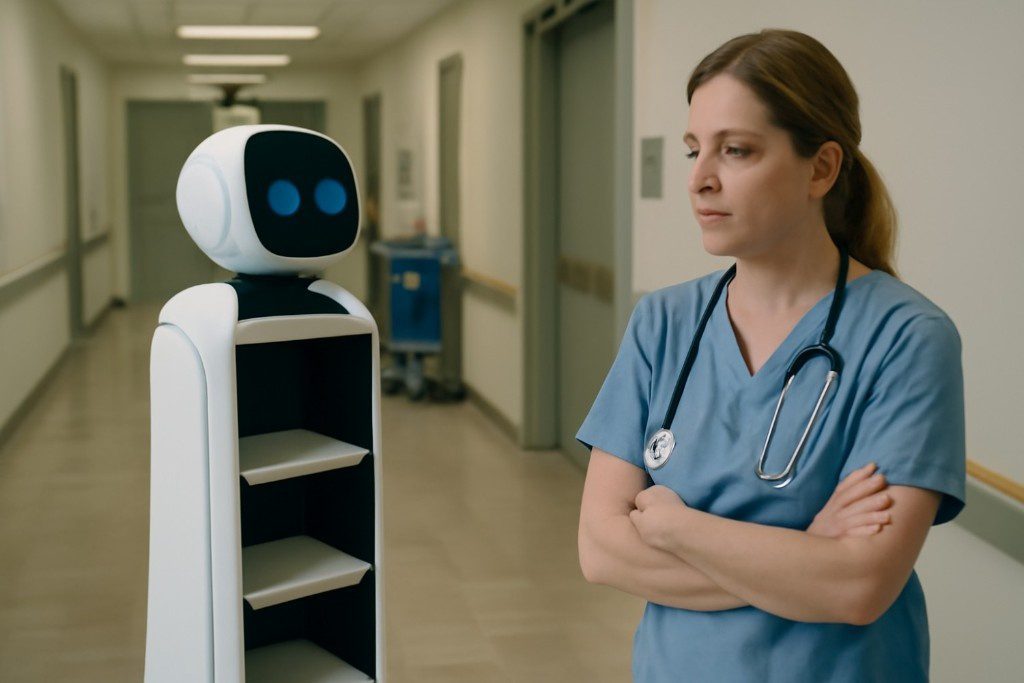
The integration of robots into healthcare could have profound implications for the workforce. While robots can assist in reducing the workload of nurses and caregivers, they may also lead to job displacement. However, many experts believe that robots will complement rather than replace human workers, taking over routine tasks while humans focus on more complex, patient-centered care. This transition could reshape healthcare roles but is unlikely to eliminate the need for human caregivers entirely.
9. Robots in Home Healthcare Settings

In home healthcare, robots can assist patients with mobility issues, monitor health conditions, and even provide reminders for medications. Robots like “Care-O-bot” can navigate through homes to help elderly patients with daily activities.
While these systems offer significant support, the absence of human judgment, empathy, and the ability to handle emergencies means that robots are not yet a substitute for caregivers in home settings. Human caregivers still play a critical role in ensuring patients receive well-rounded care.
10. Data Security and Privacy Concerns in Robotic Caregiving
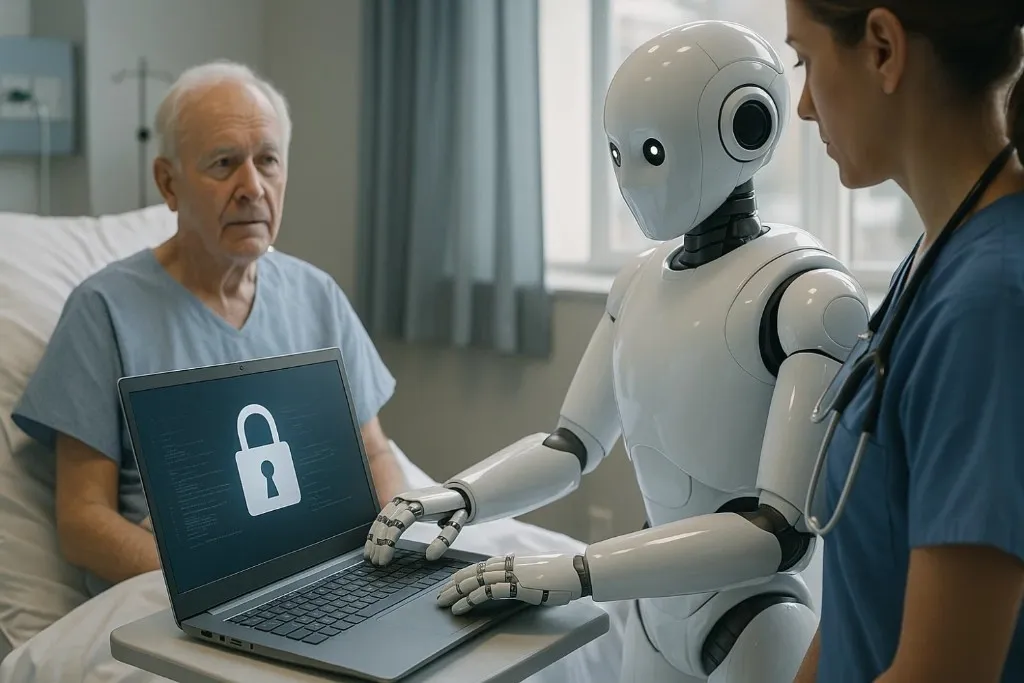
Robots and AI systems in healthcare collect vast amounts of data about patients, raising concerns over data security and privacy. Improper handling of sensitive information could lead to breaches of patient confidentiality.
While AI and robots can enhance patient care, the integration of these technologies must be accompanied by robust cybersecurity measures to protect patient data. Ensuring privacy and compliance with healthcare regulations like HIPAA will be critical as robots become more involved in caregiving roles.
11. The Cost of Robotic Caregiving Solutions
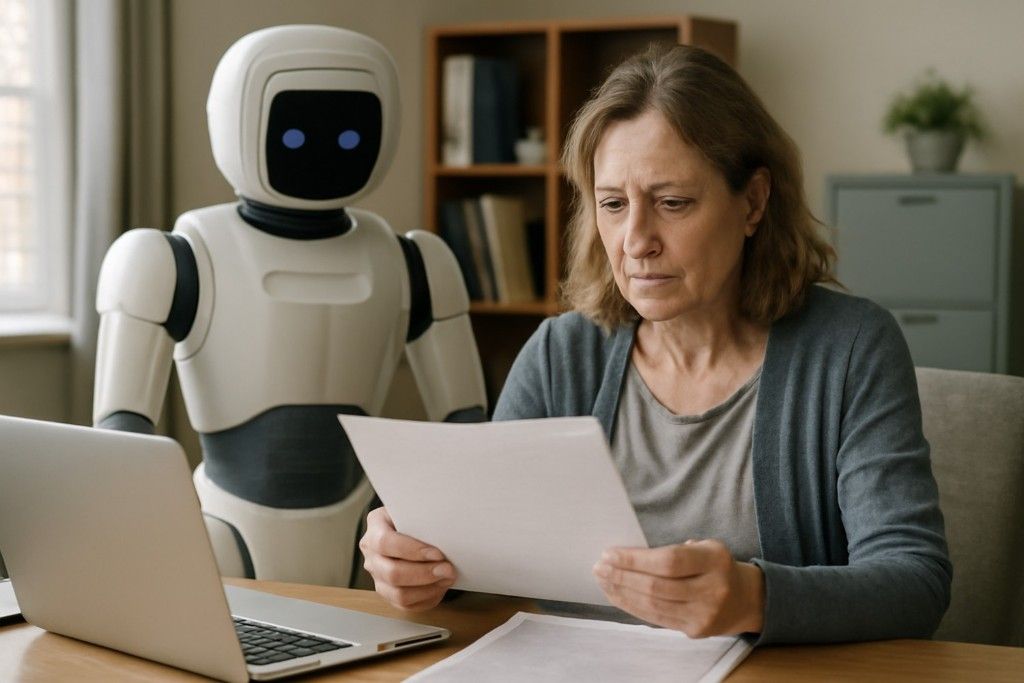
The development, implementation, and maintenance of robots in caregiving and nursing come at a significant cost. High-tech robotic systems, such as robotic surgical assistants or caregiving robots, can be expensive, making them less accessible for smaller healthcare facilities or individuals in need of home care. While robots can reduce long-term costs by optimizing workflow and reducing the need for human labor, the upfront investment remains a major barrier for widespread adoption.
12. Enhancing the Workforce with Robotic Support
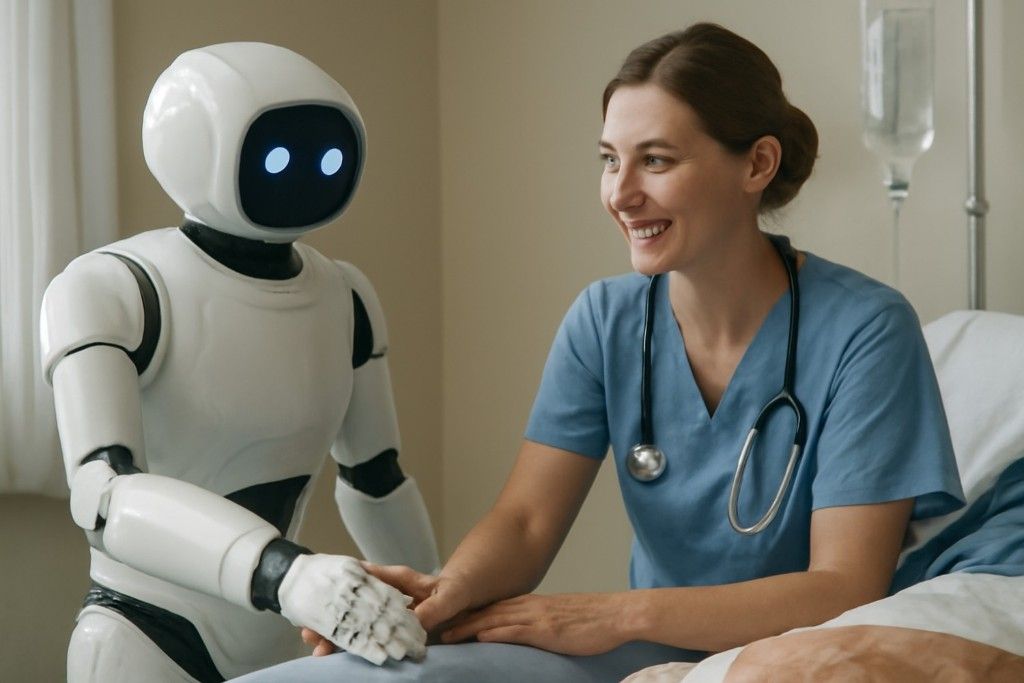
Rather than replacing nurses and caregivers, robots are more likely to augment the healthcare workforce. For example, robots can assist with tasks that require precision, repetitive actions, or heavy lifting, allowing human caregivers to focus on the personal aspects of care.
This collaborative approach could enhance the overall quality of care while reducing burnout among healthcare workers. Robots could also aid in training, providing simulations for medical procedures or patient interactions that allow caregivers to sharpen their skills.
13. Ethical Considerations in Robotic Caregiving
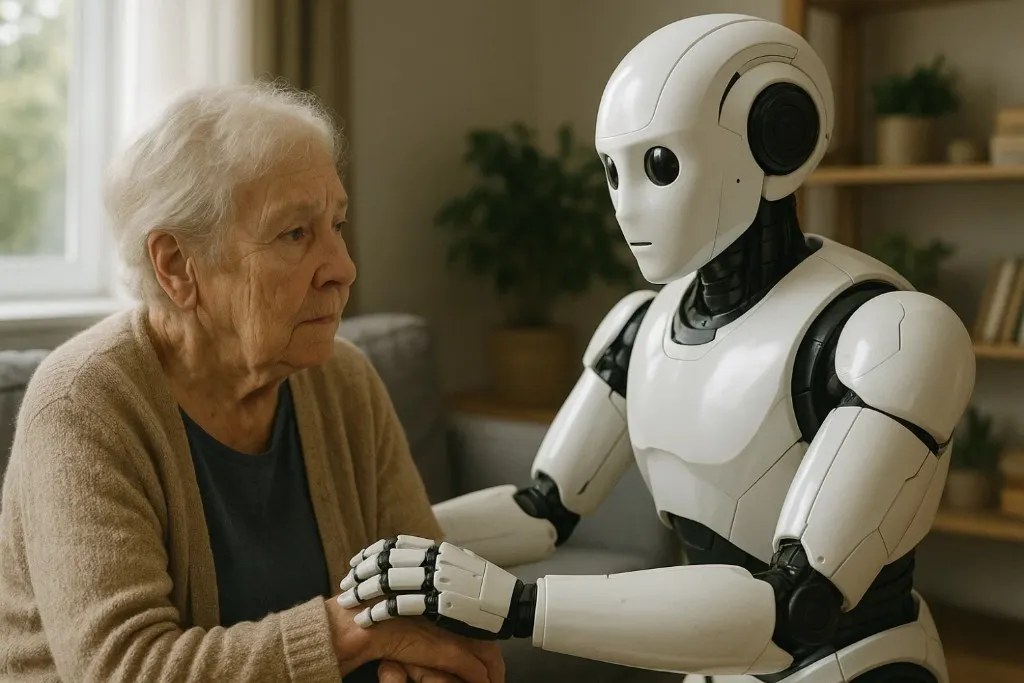
The use of robots in caregiving raises ethical concerns, particularly regarding autonomy, consent, and the quality of care. For example, elderly patients may feel uncomfortable or disconnected when interacting with robots, leading to questions about their rights to make informed decisions about their care. It is crucial to balance technological advancements with ethical considerations to ensure that robots are used in ways that benefit patients without compromising their dignity or well-being.
14. The Future of Robotic Caregivers
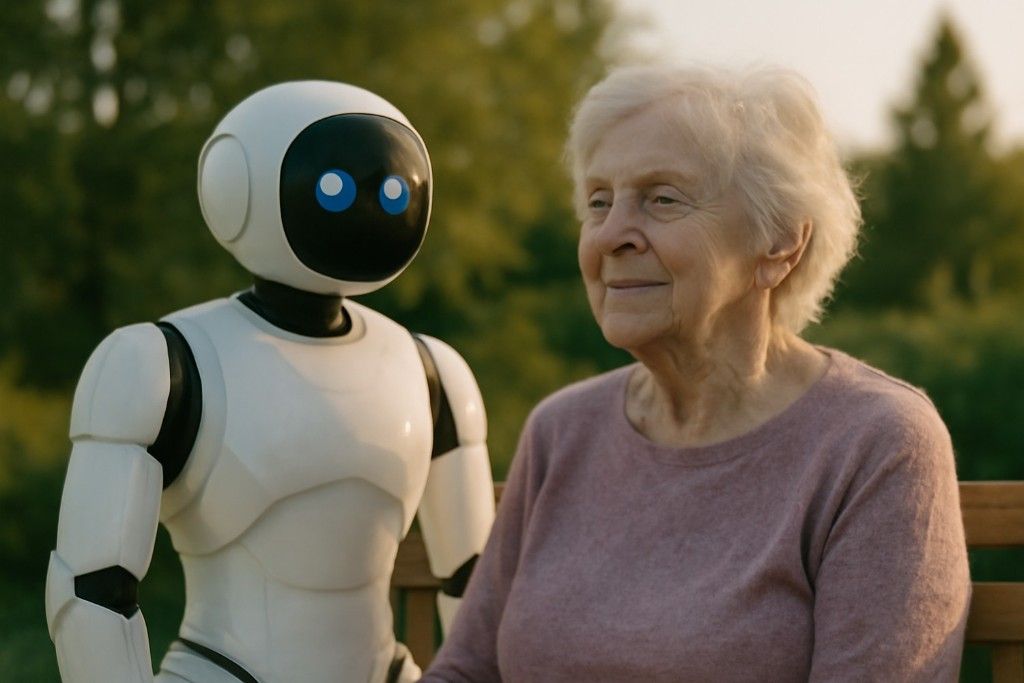
Looking ahead, the future of robotic caregivers seems promising. With advancements in artificial intelligence, machine learning, and sensor technology, robots may become more adept at understanding human emotions, adapting to patient needs, and providing high-quality care.
However, even as robots improve, it is likely that human caregivers will continue to play an essential role in healthcare. The ideal future may be one where robots and humans work side by side, each contributing their unique strengths to patient care.
15. The Role of Human Caregivers in a Robotic World
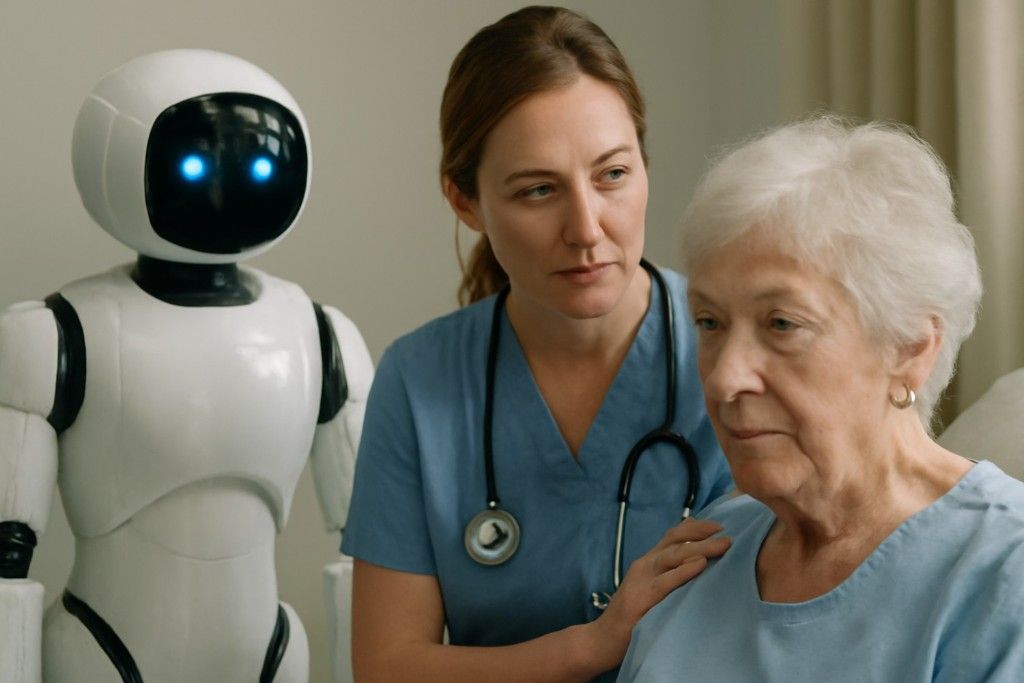
While robots will undoubtedly play a significant role in healthcare, they are not equipped to replace the human elements that make caregiving so essential. Human caregivers possess the compassion, adaptability, and complex judgment needed to address the diverse needs of patients. The future of healthcare will likely involve a blend of human and robotic care, with robots enhancing caregivers’ abilities rather than replacing them entirely.