
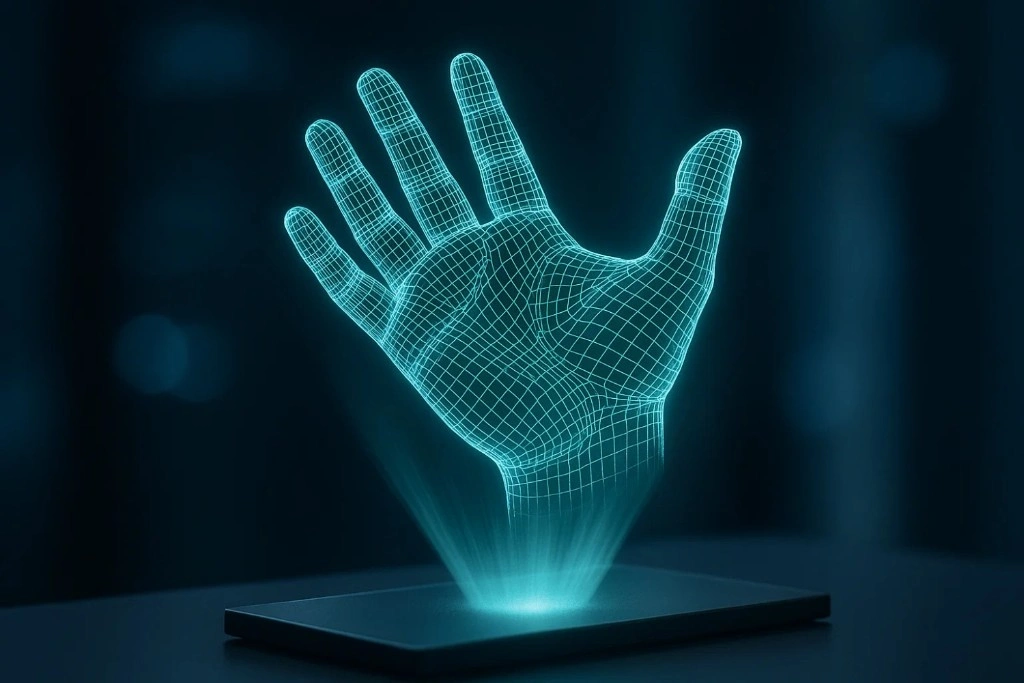
Holographic displays are revolutionizing the way we interact with digital content, offering immersive experiences that were once the stuff of science fiction. These cutting-edge technologies project three-dimensional images into space, visible without the need for special glasses or equipment.
From entertainment to healthcare, the potential applications for holography are vast and growing. But how do these displays work, and what makes them so remarkable? Understanding the science and technology behind holographic displays opens the door to innovations that could reshape industries across the globe.
1. The Basics of Holography
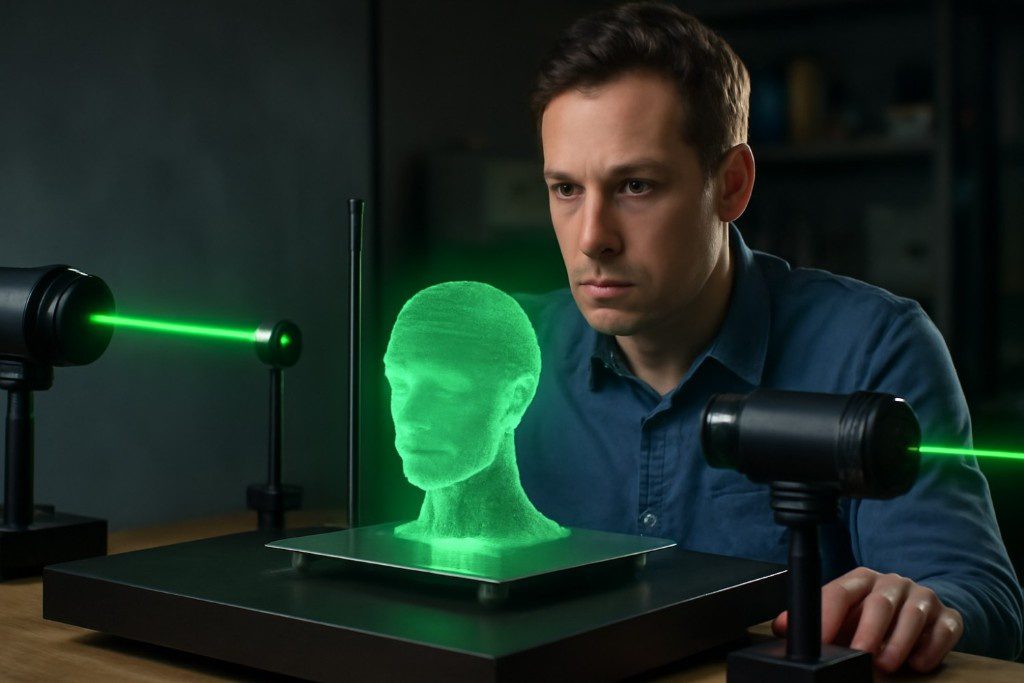
Holography is a technique that records light patterns and reconstructs them to create a three-dimensional image. Unlike traditional displays, which show flat images on a screen, holograms appear to float in space and can be viewed from different angles.
A laser beam is typically split into two parts: the object beam and the reference beam. The object beam illuminates the subject, and the reference beam interacts with it to produce interference patterns that are recorded on a special surface. When illuminated by a light source, the recorded pattern reconstructs the image in 3D.
2. Types of Holographic Displays
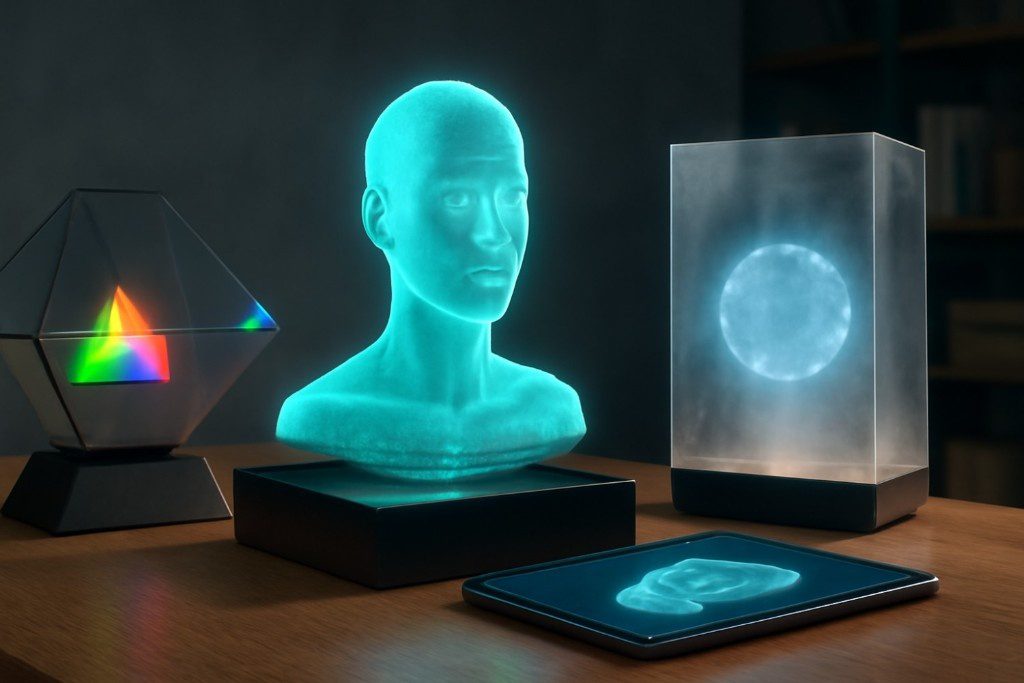
There are several types of holographic displays, each with different methods for creating 3D images. One of the most common types is the digital holographic display, which uses a computer-generated image to produce the hologram.
Another type is the true holographic display, which requires a physical setup of lasers and mirrors to project the image into space. Some displays use volumetric technology, where images are projected onto a mist or fog. Each of these techniques has its own advantages and challenges in terms of resolution, viewing angles, and cost.
3. Laser Technology in Holography
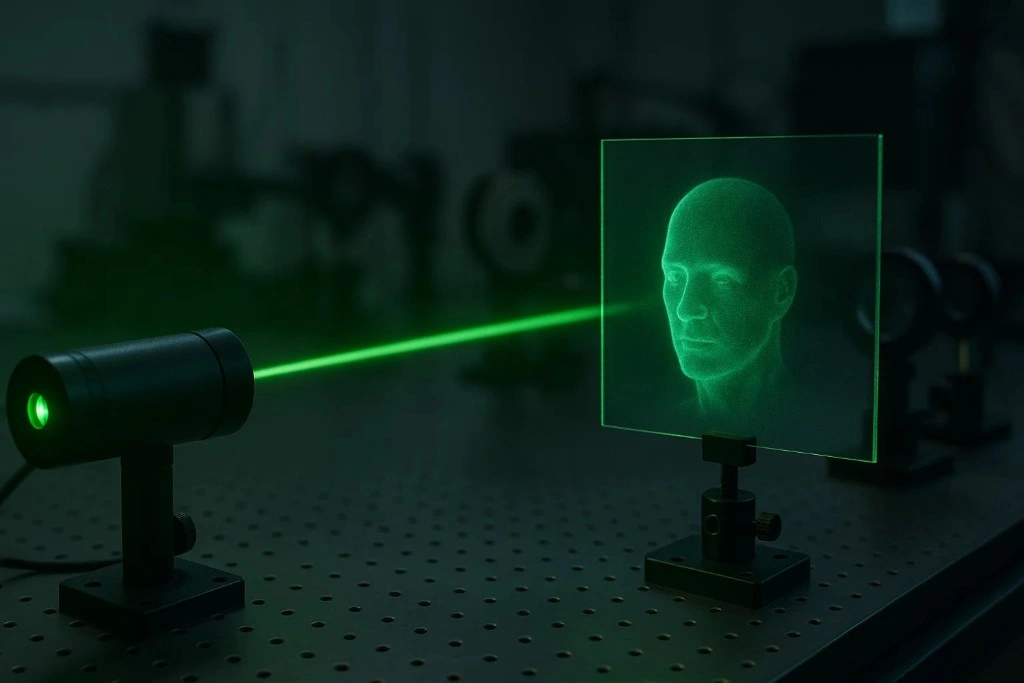
Laser technology is at the heart of most holographic displays. Lasers emit coherent light, which means the light waves are in phase with each other. This coherence is crucial for creating the interference patterns necessary to form a 3D image.
Different types of lasers, such as diode lasers or gas lasers, can be used depending on the specific requirements of the display system. The color of the laser also plays a role, as different wavelengths produce different effects in the holographic image.
4. Volumetric Displays
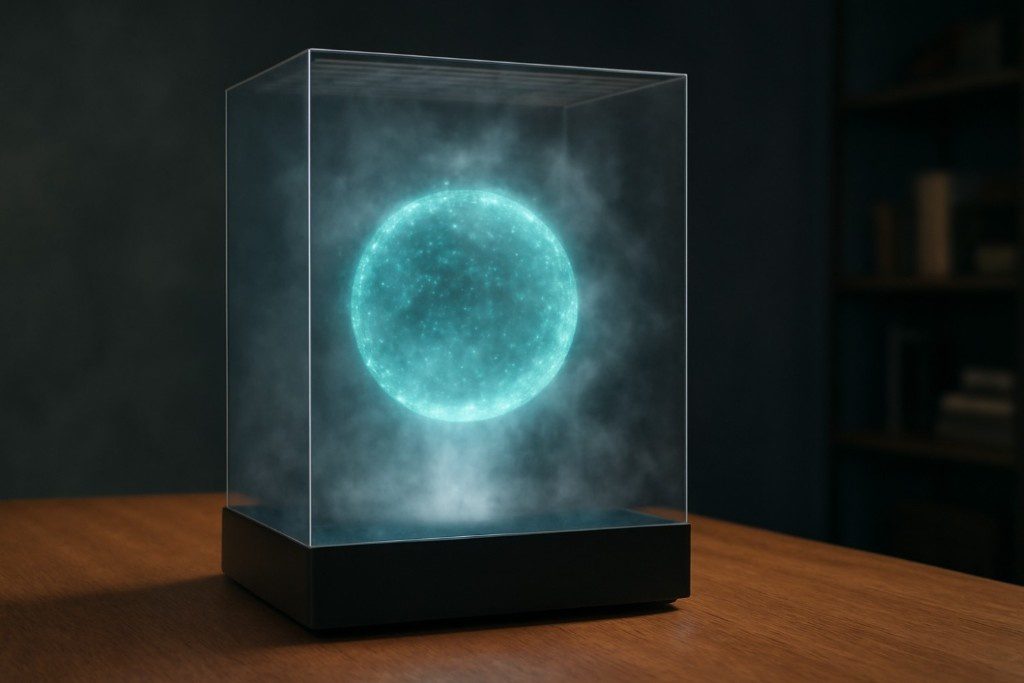
Volumetric displays create 3D images by projecting light into a physical volume, such as a cloud of particles or a mist. This technology allows the holographic image to be seen from any angle, providing a true sense of depth.
Unlike traditional holograms, which are static, volumetric displays can be dynamic, meaning the image can change and move in real-time. Applications for volumetric displays include interactive advertising, medical imaging, and even entertainment, where users can interact with 3D projections in real-time.
5. Holographic Projection
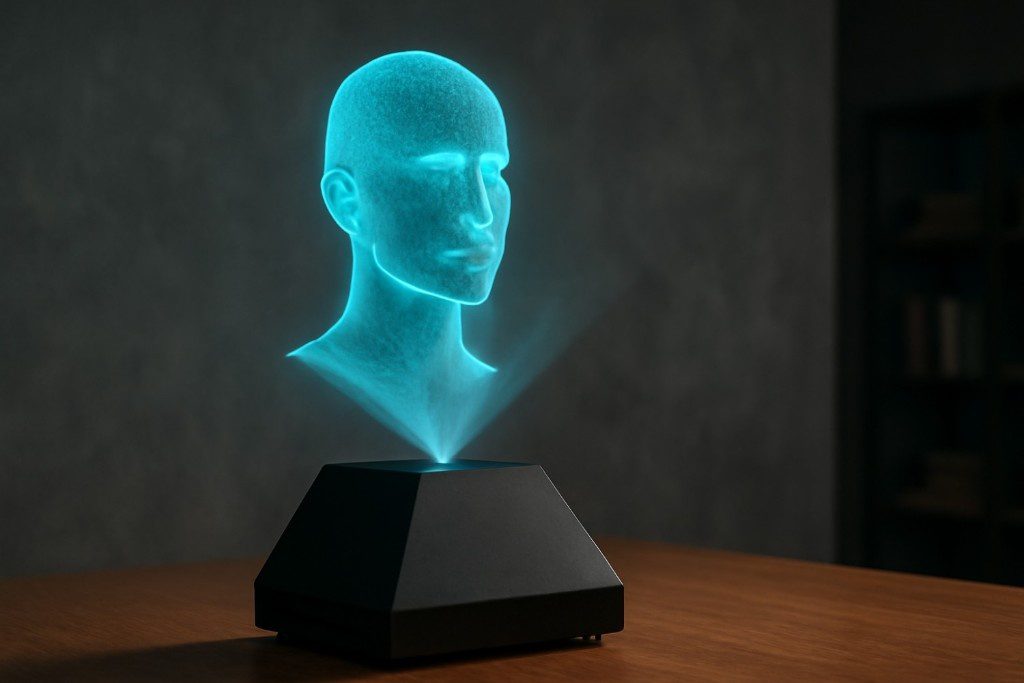
Holographic projection refers to the method of projecting 3D images into a space without requiring a physical medium like glass or fog. This method typically involves manipulating light and using optical elements, such as mirrors or lenses, to project the image into the air.
The image can appear to float or move freely within the display area, allowing for a more natural interaction. Projection-based holography is commonly seen in events, museums, and interactive exhibits, offering a mesmerizing visual experience.
6. Augmented Reality and Holography
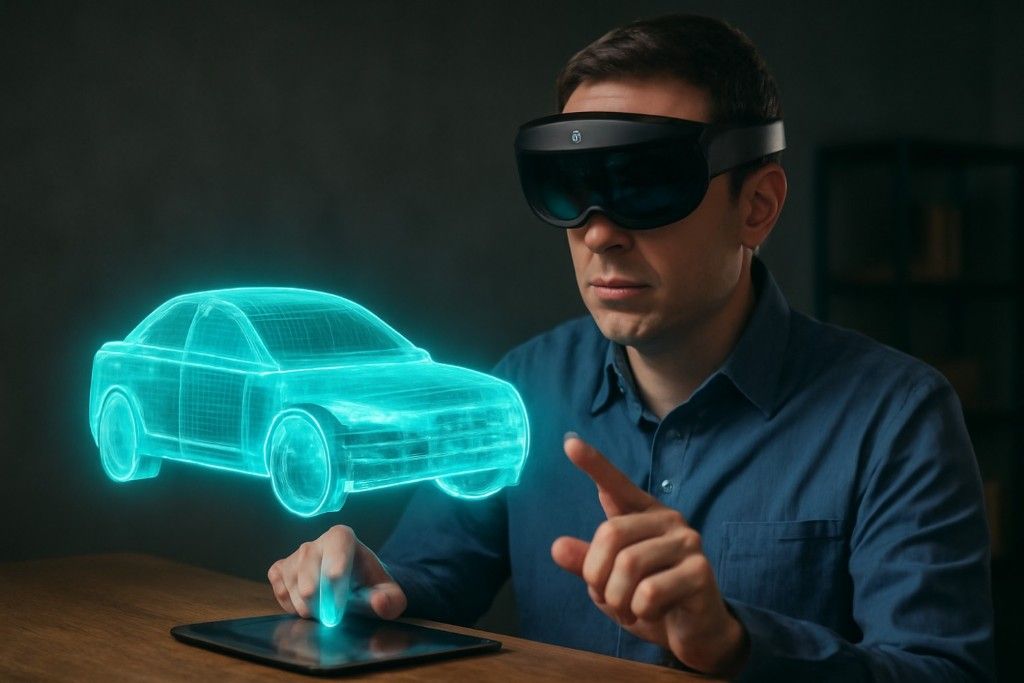
Augmented Reality (AR) and holography intersect in various ways, enhancing how users interact with the digital world. AR uses devices such as smartphones, tablets, or AR glasses to overlay digital images onto the real world. By incorporating holographic displays, AR systems can create more immersive experiences.
For example, instead of viewing a 2D overlay on a screen, users can see 3D holograms projected in their environment. This technology is already being used in fields like education, gaming, and remote collaboration.
7. Holography in Entertainment
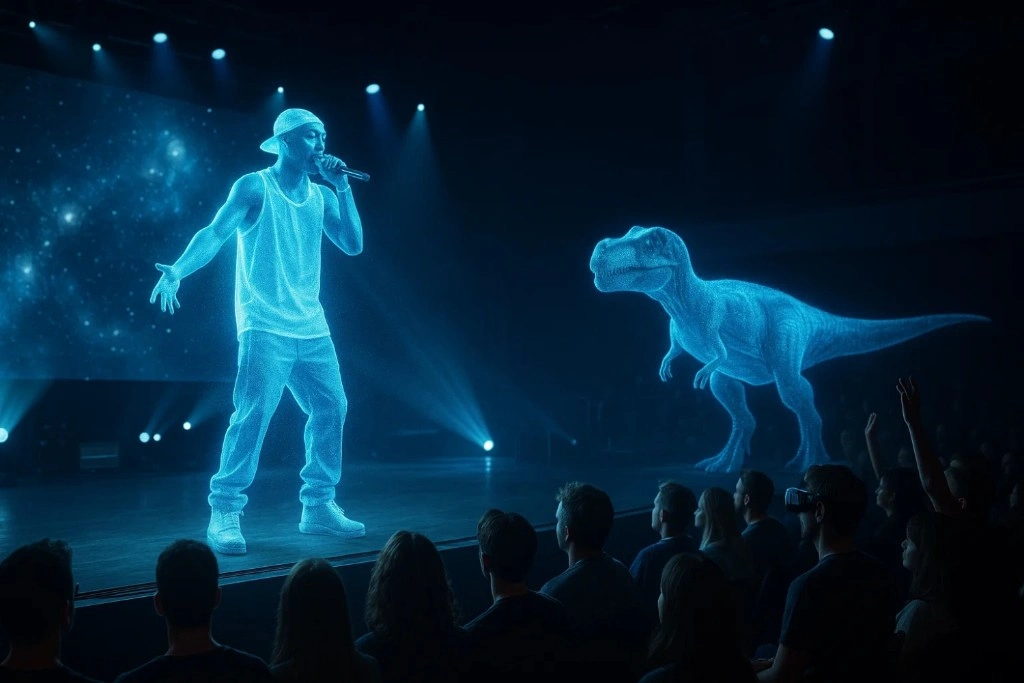
The entertainment industry is one of the primary beneficiaries of holographic technology. Holograms have been used to bring deceased musicians back to life for concerts, as seen with Tupac Shakur’s hologram performance at Coachella.
Holographic displays also create stunning special effects in movies and theme park attractions, enhancing the storytelling experience. Additionally, holograms enable immersive video games where players interact with 3D elements, creating more engaging and realistic environments.
8. Healthcare Applications of Holography
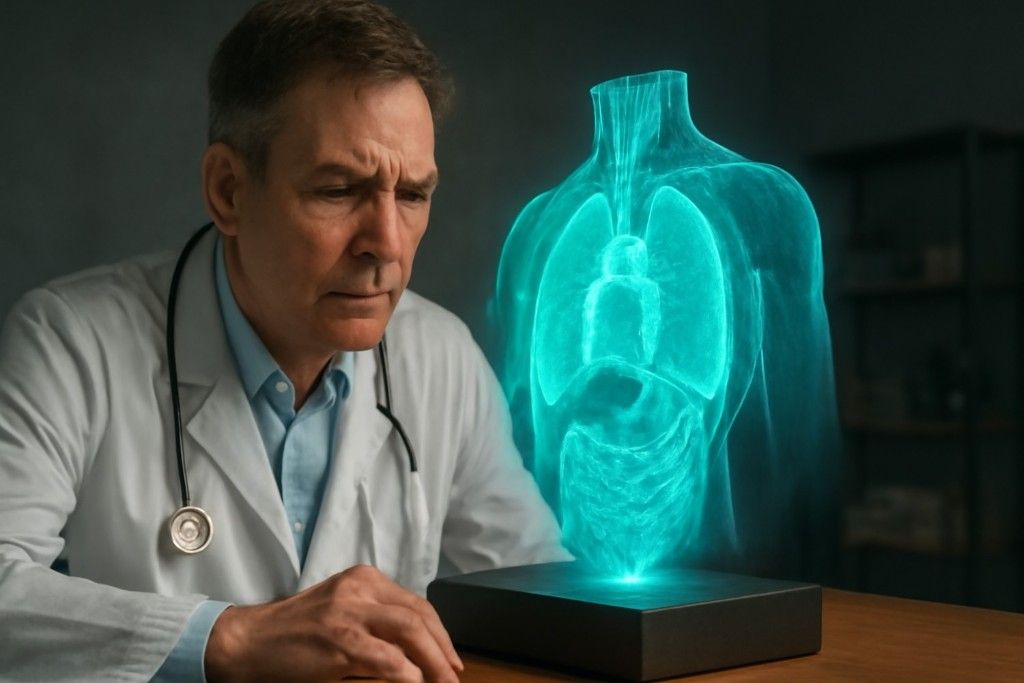
In healthcare, holographic displays have great potential for improving medical imaging and education. Doctors can use holograms to visualize complex anatomical structures, offering a 3D view of organs and tissues that can aid in diagnosis and surgical planning.
Medical students benefit from holographic anatomy lessons that allow them to explore the human body from any angle. Furthermore, holograms are used in medical simulations to train professionals in complex procedures without risking patient safety.
9. Holography in Communication
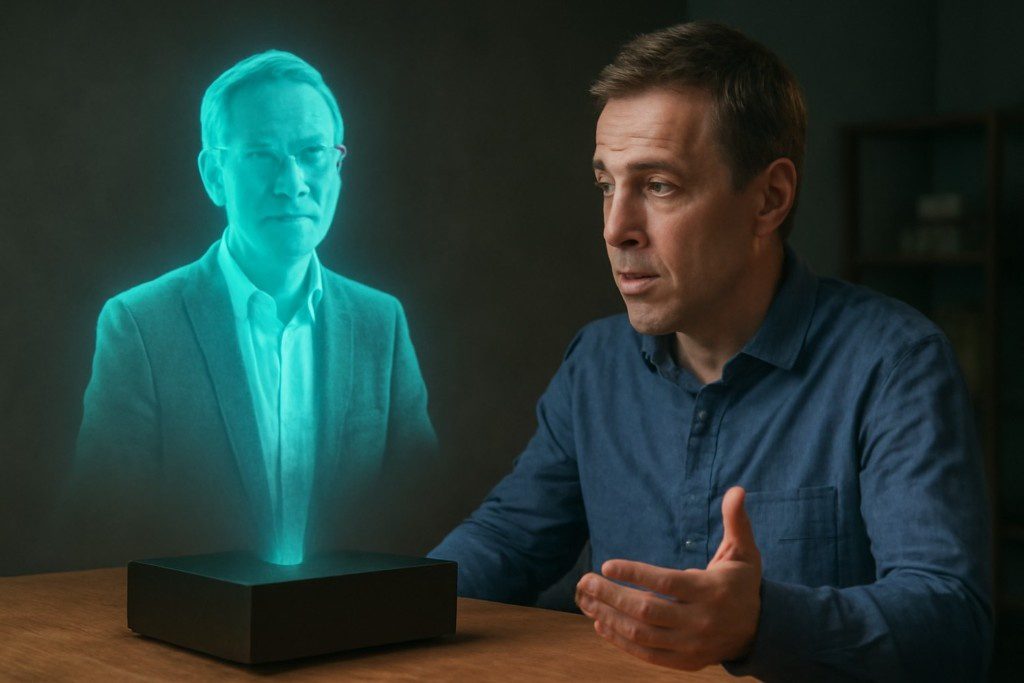
Holographic displays are poised to change how we communicate, particularly in the realm of virtual meetings and telepresence. Imagine participating in a meeting where a life-sized, 3D image of a colleague is present in the room, allowing for more natural conversations and interactions. This technology, often referred to as “holographic telepresence,” is being explored by tech companies for applications in business, education, and remote work, providing a level of immersion far beyond video calls.
10. Challenges in Holographic Display Technology
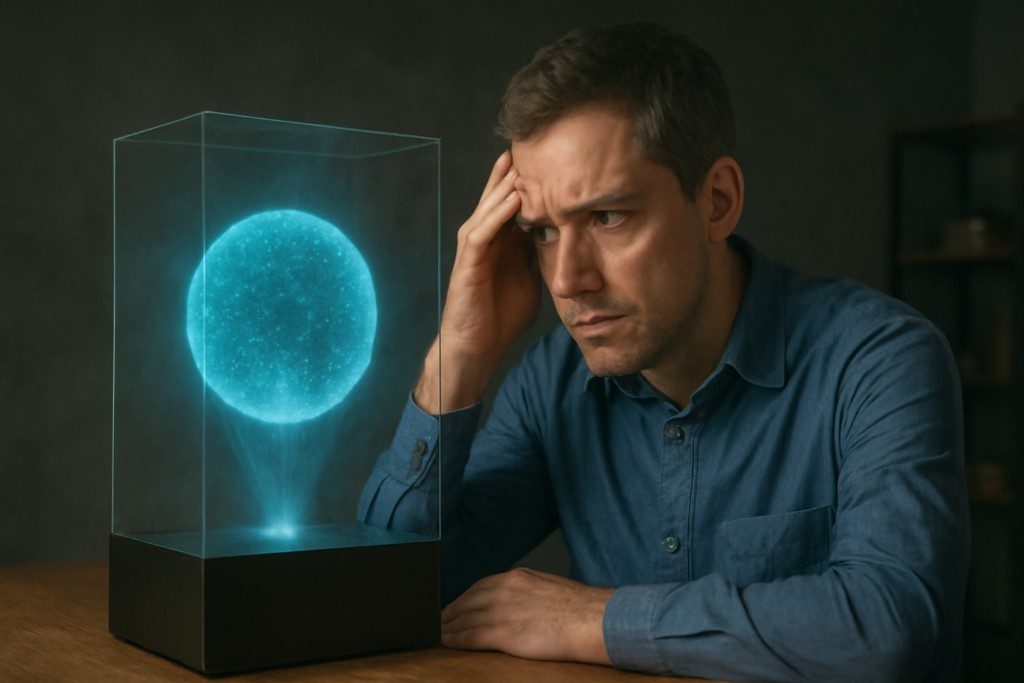
Despite its exciting potential, holographic display technology faces several challenges. One of the main obstacles is the high cost of the equipment needed to create high-quality holograms. Additionally, achieving the necessary resolution and brightness for practical use is a major hurdle.
Current holograms often require specific lighting conditions or viewing angles to be fully effective, limiting their versatility. Researchers are continuously working on overcoming these barriers to make holograms more accessible and practical for everyday use.
11. Holography and Artificial Intelligence
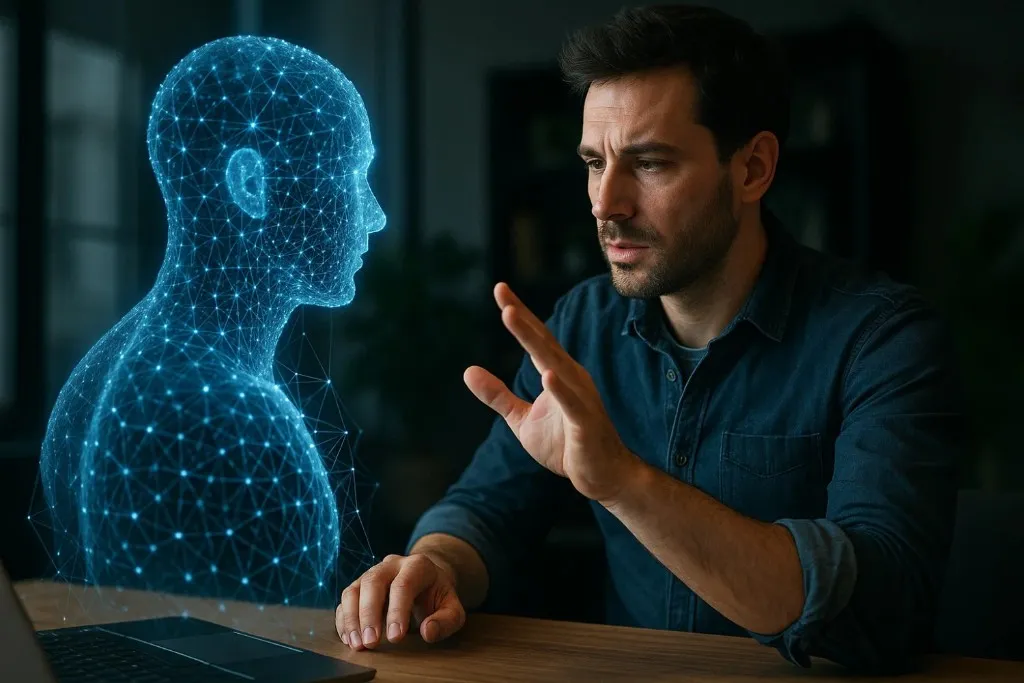
Artificial intelligence (AI) plays a key role in the evolution of holographic displays. AI algorithms can enhance the resolution and clarity of holograms by interpreting vast amounts of data to generate more accurate 3D representations.
Additionally, AI-powered systems can make holograms interactive, allowing users to manipulate or control virtual objects with gestures or voice commands. The combination of holography and AI opens up new possibilities for industries such as gaming, virtual reality, and interactive entertainment.
12. Holographic Touchscreens
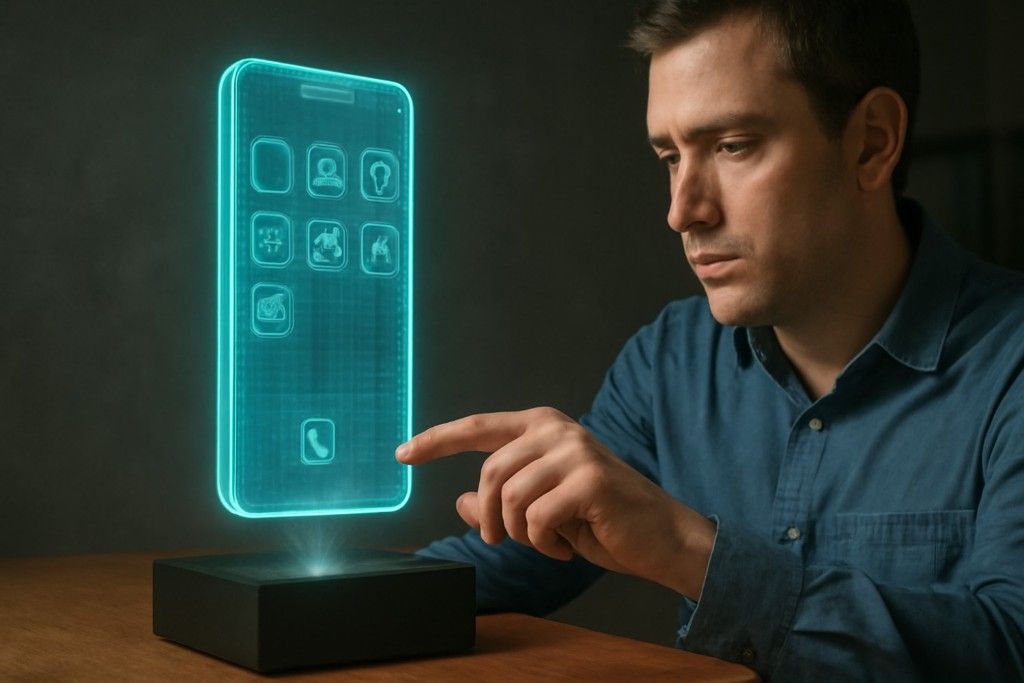
Holographic touchscreens are an innovative extension of traditional touchscreen technology. Instead of interacting with a flat screen, users can touch and manipulate virtual 3D objects projected into space. These touchscreens are capable of recognizing gestures and providing haptic feedback, making interactions feel more tangible.
While still in the early stages, holographic touchscreens are being tested for applications in consumer electronics, such as smartphones and smart home devices, promising a more immersive and intuitive user experience.
13. Holographic Data Visualization
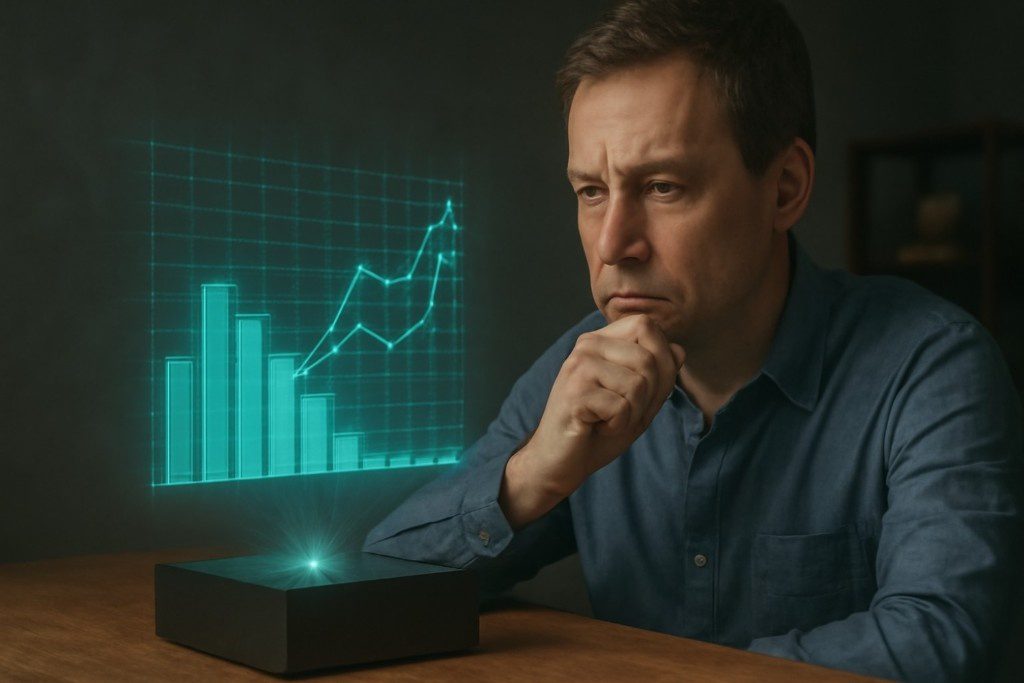
Holography is proving to be a game-changer in data visualization, particularly for complex datasets that require detailed analysis. By using holographic displays, data scientists and engineers can visualize multidimensional data in 3D, offering a better understanding of the information.
This is particularly useful in fields like big data analysis, scientific research, and architecture, where 3D models can reveal insights that are difficult to discern from traditional 2D charts or graphs. The added dimension allows for more effective decision-making and problem-solving.
14. Holography in Advertising
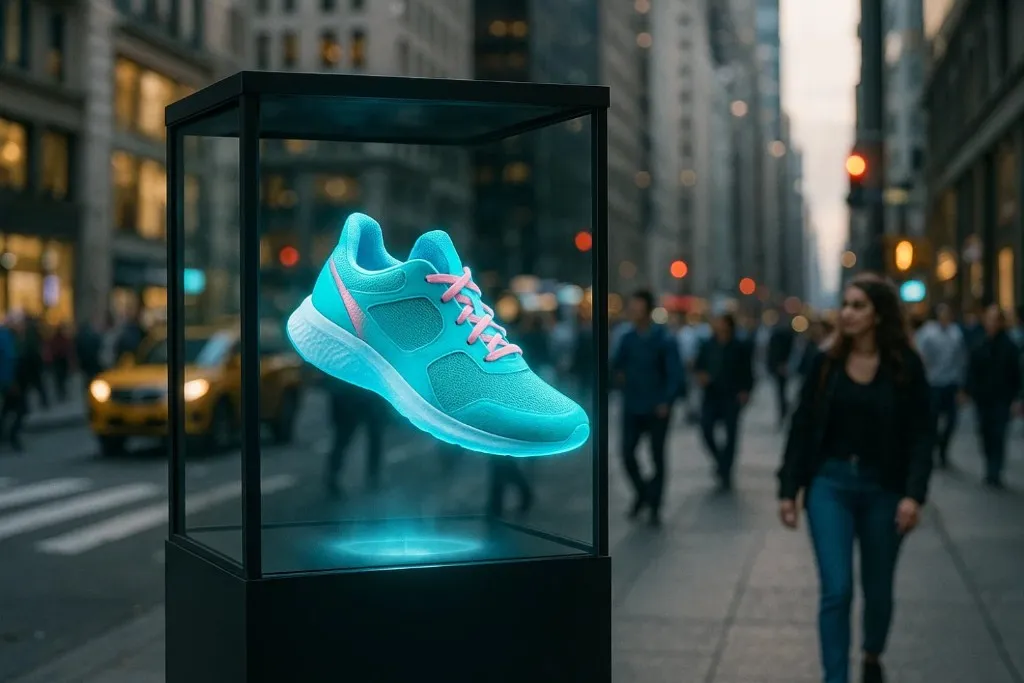
Holographic displays are transforming the advertising industry by creating eye-catching and interactive ads that captivate audiences. Unlike traditional billboards or TV ads, holographic displays can project 3D advertisements that appear to float in mid-air, engaging consumers in a novel way.
Retailers can use holograms to showcase products in dynamic and immersive environments, and brands can create memorable experiences at trade shows, events, and public spaces. This technology is paving the way for more creative and impactful advertising campaigns.
15. The Future of Holographic Displays
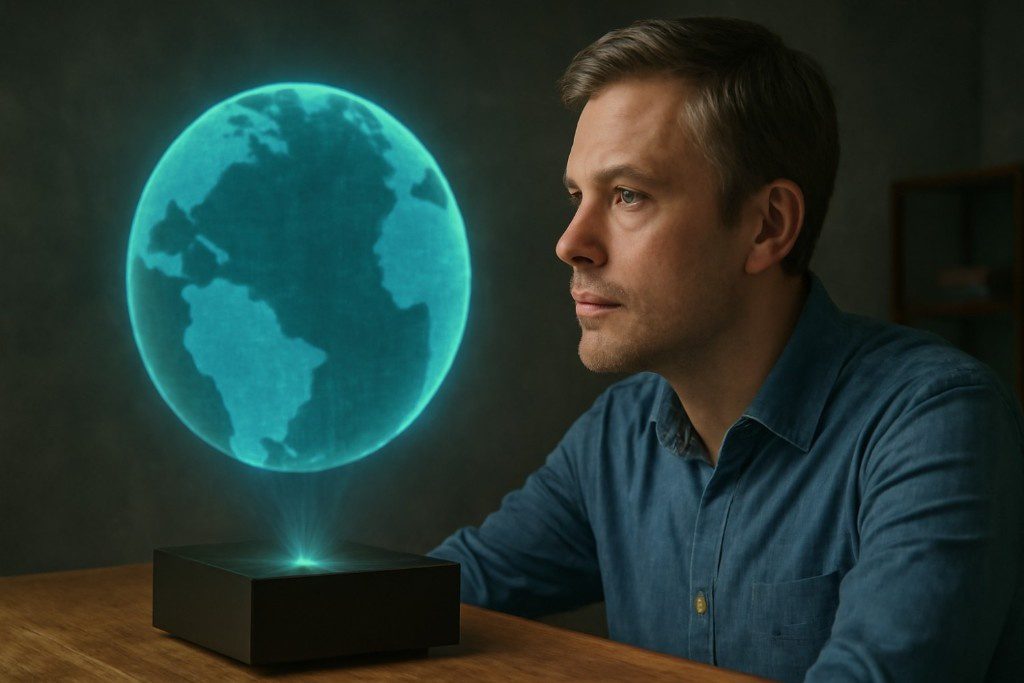
The future of holographic displays holds great promise, as advances in materials science, optics, and computing continue to push the boundaries of what is possible. Researchers are exploring new methods to make holograms more realistic, affordable, and accessible to consumers.
With the potential for holographic TVs, interactive learning tools, and fully immersive virtual environments, the next few decades could see a dramatic shift in how we perceive and interact with digital content. As the technology matures, it could redefine our visual and interactive experiences in everyday life.